Curated Topic Hub
79 public documentaries文学・アート
Timeless novels, cinema, writing, creativity & curated book lists

What Survives When the Writing Advice Fails
Stephen King's On Writing makes craft advice personal: memoir, rules, and revision. The spoken excerpts show advice in use and in dispute. Anne Lamott reports two new stories; an IELTS teacher separates speech from writing; Gayle King disclaims therapy; Anthony Gramuglia attacks shallow representation. Together they ask which writing rules survive contact with practice, and who gets to enforce them.

The Outline Comes First, the Muse Comes Later
Patterson treats outlines as scaffolding for speed, while a surreal-numbers memoir records the first-draft stall as physical fact. Cuneiform and draft-day clips widen the term draft until it means selection, prototype, and earliest script. The dossier separates preparation from panic and asks what actually makes a fast first draft possible.

The Color You See Is a Story Your Brain Tells
MIT's lecture begins with lightness, then color. Beau Lotto says every behavior reduces uncertainty. Matisse's 1896 table and 1905 window show color shifting with context. Crash Course traces shared motifs across cultures, while Ed Cooke names the phenomenology of shade. Written references confirm color is relational, produced by cone activation, and synesthesia cross-wires senses. Together they argue perception is active, embodied, and historical, not a simple readout of matter.
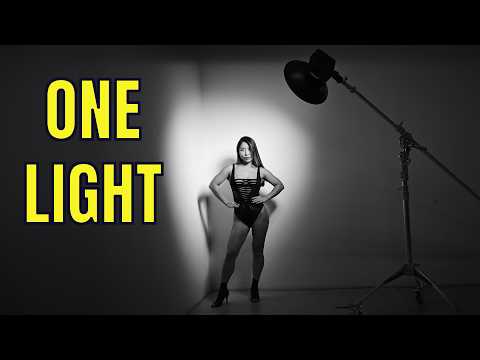
One Light Is a Lie: What Portraits Reveal About Shadows
Matt Granger tests a new flash through single light portraits. Hany Farid and Joel Simon explain why direction and exposure knowledge matter more than automatic settings. Luc Forsyth weighs compact interview key lights and cheap fixtures, while Five By Nine warns that concentrating all illumination from one source reshapes the room. The written references confirm that key light choice is both technical and compositional.

The Hidden Architecture of Everything
Keith Potter's Oxford Music Online entries give minimalism a scholarly frame, but the recorded speakers rarely use the word. They talk instead about green building certification, photographing models, N-tier naming, and TikTok system design. The dossier holds those concrete claims beside the written reference, letting the gap between aesthetic minimalism and architectural constraint stay visible.

The Hero's Journey Is Your Story: Six Voices, One Myth
Campbell's monomyth supplies a durable map, but these excerpts show that map under pressure. A TED-Ed myth, a FIFA match, a Stranger Things audition, Steven Pressfield's artist's journey, brand advice, and villain theory disagree about who owns the story. The written record confirms Campbell's influence while leaving open whether one template can hold every hero, and that tension drives the dossier.

Dostoevsky on Suffering & Crime and Punishment
苦しみの算術
『罪と罰』はしばしば苦しみを肯定する作品と呼ばれるが、ドストエフスキーは痛みを祝福しているのではない。精神が良心を飛び越えようとするとき何が起こるかを暴いているのだ。ラスコーリニコフの犯罪は、許される例外についての理論として始まり、孤立、病、そして他者たちのゆっくりとした帰還として終わる。1866年の連載出版と『地下室の手記』に連なる告白の系譜は、その警告を鋭くする。傲慢は独房となり得る。苦しみが人間的なものになるのは、それが私たちを、自らが引き起こした苦しみへと立ち返らせるときだけなのだ。
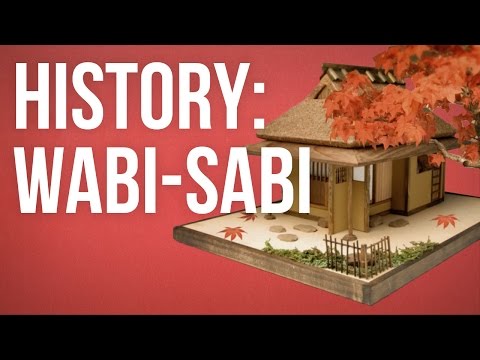
Why the Cracked Cup Is More Beautiful
Wabi-sabi begins as a tea-room correction: Sen no Rikyu prefers rustic Japanese cups with little errors to flawless Chinese ware. Contemporary voices stretch that idea into resilience, color psychology, and home design. The written record confirms wabi-sabi's focus on imperfection and transience, while the speakers disagree about whether it is repair, mood, or cultural identity.

The Cure for Writer's Block Is the Block Itself
The dossier treats creative block as a practical condition with mixed causes: the definition calls it a non-medical condition, an inability to produce new work or a creative slowdown. Augusten Burroughs names an uneven writerly reality, Sasha Patpatia recommends trial and error, and Samin Nosrat's circle shows creative company. Barbara Hirst's 1992 study and an artist workshop treat block as re-engageable, while Joe Begos's Bliss turns the cure into horror.
The Color of Sound: When Your Senses Start Borrowing
MIT lectures frame lightness and musical notation as perceptual problems. Frank Wilczek treats color mixing as physics, Alex Isley and Corey Crossfield describe synesthetic experience from inside music and daily life, and Alex from Numberphile names grapheme-color associations directly. The written record supports cross-sensory variety but sharply limits any single theory of music-color perception.

Frank Lloyd Wright Built a World to Fit Himself. Then a Rabbi Asked for One Too
The dossier follows Wright through a birdhouse tutorial, a childhood bedroom with a mitered glass corner, a synagogue commission, and a critique of self-made worlds. Sean Godsell inherits Wright through his father. Phil Edwards sees a velvet lined violin case. The written record stresses more than 1,000 structures, UNESCO recognition, and organic architecture's democratic claims. Their voices keep the argument concrete.

The Room Has a Voice: How Space Changes Sound and Survival
The excerpts treat the concert hall as a stage for pedagogy, travel, fashion, tragedy, and local performance, rarely as an acoustic machine. The written record fills that gap: Tokyo Opera City, Boettcher, Anvil, and York Barbican show how named rooms solve specific acoustic and civic problems. Together they ask who gets to hear, and under what conditions.

The Matter of Everyday Life: How Modern Epics Are Built
Joyce's Ulysses turns Homeric wandering into a modern epic of ordinary matter and civic life. The excerpts split that inheritance: Yale defines matter as everything; Coleridge warns about solitary modern readers; Greene and BBC test epic scale in genre fiction and games; Crash Course shows modern and hybrid structures in tribal governments. Epic Modernism and Irish nationalism explain why Joyce's structure became a literary and political claim.

Who Designed Your Life?
The Bauhaus lasted fourteen years, yet its claim that craft and fine art belong together kept moving through furniture, buildings, and homes. These excerpts test that inheritance from the outside: a Black home conference, Mira Nakashima's workshop, and the McKissack family's overlooked record. The school's legacy is less a style than a fight over training, materials, and authorship.

Cormac McCarthy's Darkest Question: Can Empathy Stop Violence?
Hungerford's Yale lecture, Josh Barnett's account of McCarthy's personal influence, and comments on The Road and sexual violence all circle the same problem: violence isolates people, and isolation can make violence legible. Child of God and The Gardener's Son give literary cases, while Evenson's scholarship asks how McCarthy's prose embodies violence in form and plot.

Scorsese's Pop Montage Secret: Songs That Hijack Your Mood
Scorsese's pop montages work as emotional engineering: a song can restore a lost feeling, sharpen a scene, or expose a break in taste. The speakers here trace that power from mood adjustment to generational rupture, AI sampling, K-pop grief, and local pop pride. The written record places The Last Waltz and Scorsese's music documentaries inside that longer argument.

Sound Design's Dirty Secret: Your Brain Is Always Listening
Bass in Villeneuve's Dune is treated as structural pressure. The speakers show sound design as practical labor: live plugging, pacing, top-level tool lists, and frame-accurate cues. Hans Zimmer's Dune: Part Two score and bass-building references give the low end a documentary spine. The excerpts seldom name Villeneuve, yet they clarify the craft behind his low-frequency pressure. That is the dossier's through line.

Who Gets to Rewrite the Odyssey?
The dossier tracks a practical question, which Odyssey should a reader open, through Ryan Holiday's Fagles memory, Mary Beard's Wilson recommendation, and online disputes about a 2017 translation. Academic references to Richmond Lattimore's Odyssey and its companion establish the older translation as a scholarly benchmark, while the clips show translation choice now doubles as cultural argument.

The Rough Cut Is the Real Movie
Rough cut editing begins as a physical habit and ends as a software workflow. Bloomberg traces Avid's digitization, while Luc Forsyth and Kino time AI agents cutting footage and NASA film. Scott Eastwood supplies the editorial constant: a film is written, shot, and then remade in editing. The literature marks the rough cut as the second offline stage, not a final verdict.

The Sonnet in the Boardroom: Why Limits Unleash Creativity
Matt Abrahams treats constraints as communication catalysts, and Tim Ferriss describes creativity inside team and contractor limits. Yale's brainstorming exercise turns constraints into prompts, while Dr. Dicle defines a constraint as a formal limit on acceptable decisions. Combinatory literature shows writers applying outside rules to creative process, which makes the sonnet a working case rather than a metaphor.

The Union That Took 150 Years, and the Printer Who Saw It Coming
Franklin's career joins literary imitation to civic organizing: he copied prose models, founded the Junto in 1727, and used printing and postal work to circulate information. Richard Kreitner notes that colonial union took a century and a half, while popular retellings reduce Franklin to saving tips or a Parkway namesake. The dossier follows those scales, from apprentice prose to public violence and back.

Six Stories, One Hidden Script: Why Everything Is a Three-Act Play
The dossier treats three-act structure as a working model, not a rule, and tests it against six spoken excerpts. One podcast states the template openly, while historical, wildlife, and news-adjacent clips show acts as edited selections: alliances fail, a patrol lands, cubs face cold. Syd Field's Setup, Confrontation, Resolution gives vocabulary, but the excerpts expose how much material sits outside the cut.

The Solo Beyond the Page: What a Miles Davis Transcript Cannot Capture
The dossier treats the Miles Davis improvisation transcript as a partial instrument, not a score. The MIT lecture excerpt points to learning jazz through borrowed testimony; Mike Stern recalls a live encounter; Chaka Khan speaks of Prince as a poet; Dick Cavett catches Miles in televised banter. Scholarship on connective trance and racial identity supplies context for what the transcript cannot hold.

Whose Voice Is It Anyway?
The speakers treat voice as a learnable practice rather than a fixed gift. Gilbert discusses boundaries and newsletters, Adam drills passive constructions, Verba defines head voice, Tech Girl compares AI assistants, Mark warns that confidence is not volume, and Nichols links purpose to authenticity. Peer-reviewed work by Dingemanse and the 2015 writing study frames voice as deliberate craft, not ambient self-expression.

The Strongest Magic Is Made of Words: Ursula K. Le Guin's Earthsea
Le Guin's own account is specific: Earthsea gave her a working parallel between wizards and artists. Around that primary voice, the dossier gathers claims from Mark Manson and writing instructors about craft, practice, and joy. The written reference fixes the career facts, while the spoken excerpts show how a speculative fiction writer turns invented systems into durable craft lessons.

Rapport Can't Be Hacked: The Quiet Power of Thousands of Strangers
The acts frame documentary interviewing as a craft of context and trust, not a formula. A Pixar director's long tenure, a Roman hospital's material detail, and Taylor Rooks's account of athletes trusting her show preparation and attention at work. Interview guides and videojournalism references agree on preparation, and Brandon Stanton sharpens the tension: technique can organize a conversation, but rapport must be earned.
Kishotenketsu: Why the Best Stories Turn Before They End
Kishotenketsu is a four-part narrative frame: introduction, development, twist, conclusion. The dossier sets that definition beside six speakers who use structure in ordinary senses, from Yale's definition of matter to MIT's spring-break marker, Waitzkin's performance notes, NATO's command chart, Wandel's laminated arches, and Sypher's Minecraft raid. The written evidence anchors the frame; the voices show structure as a working problem.

Joe Rogan Book List: Most Cited History & Science Reads (2026)
ポケットの中の本と説教壇
ここに集められた断片は、整然とした読書リストを差し出すものではない。それらは本を、持ち運び可能な証拠として映し出している。ノーマンのメモ、カーの冗談本への問い、イザヤの巻物、サードの論争の書、『デイリー・ショー』の鈍い音を立てる小道具。ローガンの世界では、推薦はシラバスというよりも、信頼性の交換である。ゲスト、ホスト、観客が、権威をやり取りしているのだ。クーパー、ヒューバーマン、そして反動的な影響力をめぐる記録は、推薦されるものが同時に正常化されることを裏づけている。実践的な争点は、次に何を読むかだけではない。それを語りながら、誰が「まとも」に響くことを許されるのか、なのだ。
The Hidden Beat That Makes Movies Work
Scott Eastwood says a film is made three times: in script, on set, and in editing. Collin Watts and Dan Murrell describe rhythm as a practical editing sense, while YMS and Despot of Antrim judge finished pace from the audience side. Film editing definitions and Cutting Rhythms give those claims a measurable frame: shot duration, physical rhythm, and emotional rhythm.

Homecoming Is a Story We Keep Rewriting
The speakers circle the Odyssey without agreeing on what homecoming means. Nolan is called uninterested in history; Paul promises a breakdown; Ager stops at a single 2001 shot; Yale explains meta-analysis lines; Freud's biography supplies grief. Tucker's The Poet's Odyssey and the indexed Homecoming: Squanto show scholarly return as constructed, while the commentary leaves pain mostly unexamined.

Your AI Needs a Bauhaus: The Hidden Rules of Beautiful Design
Alex Finn and Greg Isenberg treat typography as part of a repeatable design system, while Replit's team says agents still struggle with typographic judgment. Harvard GSD's Dunne and Raby describe empty shelves and globes; Study Hall stresses formal design education. Lope Gutierrez-Ruiz moves from letter legibility to awe. The Bauhaus typeface and New Typography literature make these claims historical, not merely technical.

The Voice That Watches: Joan Didion and the Reporting Self
Didion's voice works as method: close observation, reserved syntax, documentary patience. Slouching Towards Bethlehem turns California scenes into evidence, while her New Journalism peers place her in a wider experiment with scene and perspective. The clips circle that problem unevenly, from grammar lessons and show-business greetings to Rosanne Cash being asked directly about writing voice. That mismatch is the dossier's subject.

Shakespeare's Hamlet: Human Nature & Tragedy
蛆虫と亡霊
『ハムレット』が生き続けるのは、私たちの最も高遠な理想と最も根源的な欲求との衝突を舞台に載せているからだ。倫理は糧の後に続くというピンカーのブレヒト的な指摘は、王子の麻痺と出会う。どちらも、道徳的怒りがしばしば物質的現実と向き合う失敗を覆い隠していることを暴く。復讐悲劇は逸脱ではなく鏡である——暴力も、優柔不断も、演技も、人間性からの逸脱ではなく、その文法なのだ。『ハムレット』を見ることは、亡霊に答えることと身体に答えることの間で引き裂かれた私たち自身を見ることである。

Aldous Huxley's Brave New World & Modern Distraction
私たちの注意という名のソーマ
オルダス・ハクスリーの『すばらしい新世界』はしばしばオーウェルの長靴に影を落とされるが、その真の恐怖は快適さという柔らかな檻にある。トリスタン・ハリスが指摘するように、ハクスリーは人々が「隷属を愛する」世界を見ていた——苦痛ではなく快楽が支配の道具となる世界を。小説の市民たちは自由を安定と引き換えにし、そうすることで私たちを人間たらしめる摩擦そのものを失う。ジェーン・オースティン作品の翻案からキャプテン・アメリカまで、ハクスリーの名はこの誘惑的なディストピアの代名詞として浮上し、すばらしい新世界が恐れるべき未来ではなく抵抗すべき現在であることを思い出させる。

The Bach Cello Suite That Erases the Listener
Michael Pollan describes merging with a recorded Bach cello suite during a guided psychedelic session. Joshua Roman opens a TED talk by playing the same prelude and calls it a lifelong performance staple. Yale's fugue lecture supplies the technical term voice, while Vsauce3 treats the suite as a comic sound test. The dossier asks how one unaccompanied score carries such different claims.

Can a Perfect Fake Fool Everyone? The Clues That Expose Art Forgery
The dossier follows forgery from gallery plots to laboratory checks. Peggy Guggenheim's Léger purchase opens a material question: can pigments, isotopes, and document trails outrun a skilled copyist? The Scientist and the Forger and Art Law supply the written frame, while the speakers supply the friction between craft, evidence, and market trust.
Complete Pillar Archive
More Literature, Arts & Craft Documentaries (+43)
- Why Facts Don't Win Arguments: Aristotle's Persuasion Playbook4 幕 · 5m 05s
- Technique Is Everywhere: From Break-Even Math to Kurosawa's Frame6 幕 · 6m 31s
- Read It Out Loud: The Habit Dyslexia Apps and Good Writers Share6 幕 · 5m 20s
- Borges: The Labyrinth Where Every Book Exists6 幕 · 4m 30s
- The Nolan Trick AI Still Can't Copy5 幕 · 3m 50s
- Orwell's Plain Words vs. the Politics of Spin4 幕 · 5m 09s
- Don't Erase Your Bad Ideas4 幕 · 3m 49s
- The Taste Gap: Why Good Taste Makes Bad Work6 幕 · 5m 37s
- 世界に抗う真実5 幕 · 4m 54s
- Creative Block Is Not a Willpower Problem6 幕 · 6m 05s
- Writers Fear Your Verdict6 幕 · 5m 06s
- The Ghibli Food Effect: Why Drawn Meals Make You Hungry5 幕 · 4m 00s
- The Massacre That Became a Ghost in Macondo6 幕 · 5m 16s
- The First Draft Is Supposed to Be Garbage6 幕 · 6m 15s
- When the Budget Runs Out, the Story Starts6 幕 · 6m 47s
- Homer's Odyssey: The 2,700-Year Fight Over Who Wrote It6 幕 · 5m 32s
- No Secret, Just Reps: What Six Very Different Teachers Reveal About Practice6 幕 · 5m 45s
- Jane Austen's Emma: The Truth She Won't See6 幕 · 5m 23s
- First Drafts: The Mess Before the Masterpiece6 幕 · 5m 50s
- The Detail That Makes Ghibli Food Feel Real6 幕 · 6m 23s
- Van Gogh Died Penniless. His Still Lifes Now Feed the World6 幕 · 5m 25s
- Color Is Not Decoration: The Hidden Hands Behind Every Frame6 幕 · 5m 47s
- Leonardo da Vinci: The Bastard Who Taught Europe to See6 幕 · 6m 14s
- Anna Karenina's Fatal Railway6 幕 · 5m 39s
- 紙の檻——カフカ、官僚制、そして疎外された自己5 幕 · 4m 45s
- Sell the Movie Before You Write Page One5 幕 · 5m 33s
- The Sun Always Wins: What Filmmakers Learn When Light Fights Back6 幕 · 5m 49s
- Kubrick's Perfect Symmetry Will Mess With Your Head5 幕 · 6m 06s
- The Smile You Can't Catch: Leonardo's Soft Edges and Hard Evidence6 幕 · 5m 50s
- Kubrick's Creeping Zoom vs. the Lens Spec Sheet5 幕 · 4m 41s
- The Four Act Story That Doesn't Need a Villain6 幕 · 5m 59s
- The 180-Degree Rule Is Only the Beginning5 幕 · 4m 37s
- The Take You Can't Remember5 幕 · 5m 36s
- The Hidden Structures Holding the World Together6 幕 · 5m 54s
- Write the Script Before Reality Interrupts4 幕 · 3m 49s
- You Can't Schedule Attention5 幕 · 5m 00s
- Why Scorsese's Camera Never Stands Still6 幕 · 5m 16s
- ホメロスの火、トロイアの灰5 幕 · 5m 45s
- Every Tuesday Is a Hero's Journey6 幕 · 5m 19s
- Why Tarantino Dialogue Sticks in Your Head6 幕 · 4m 55s
- The Tension Beneath the Talk: What Tarantino Scenes Really Do6 幕 · 6m 46s
- The Script Isn't Written, It's Found5 幕 · 4m 50s
- What Borges Knew About Memory Before AI Did5 幕 · 5m 30s