01
三幕で描く一日
SpeakUp Sessionsは日常を三幕構成に変える。共同体と家庭の時間、職業的または学術的な時間、そして再び家へ。シド・フィールドの『スクリーンプレイ』は同じ形をフィクションに与える。セットアップ、対立、解決だ。ポッドキャストはルーティンに脚本用語を借り、フィールドはそれを技として体系化する。どちらもこのモデルを自然法則として擁護しているわけではない。だからこそFilm Courageの懐疑が入り込む余地がある。
脚本用語が日常の時間へと移り住む。
Every Tuesday Is a Hero's Journey
日常も映画も文法も講義も、なぜか三幕構成で動いている。ただし結末はいつも慌ただしい。

ACT I · SpeakUp Sessions English Podcast · 5m 19s
君の火曜日は三幕劇
午後は専門的・学術的な領域へ
to the professional or academic sphere in the afternoon
日常のルーティンが三幕に当てはめられる。
30-Second Quick Reference · Verified Takeaways
6 幕 · 4 件の文献 · Last Verified Nov 21, 2026“ある言語ポッドキャストは一日を三幕構成と呼び、映画のリアクターたちは第三幕をめぐって言い争う。”
結論サマリー
SpeakUp Sessionsは一日を三幕に当てはめ、Film Courageは幕の数に決まりはないと疑い、The Media Knightsは第二幕と第三幕を感覚で判断する。シド・フィールドの『スクリーンプレイ』はセットアップ、対立、解決を体系化し、マイケル・タブと2015年の索引付きガイドがそのモデルを拡張する。この資料は、テンプレートがどこで技を明確にし、どこで緩いラベルになるのかを問う。
SpeakUp Sessionsは日常を三幕構成に変える。共同体と家庭の時間、職業的または学術的な時間、そして再び家へ。シド・フィールドの『スクリーンプレイ』は同じ形をフィクションに与える。セットアップ、対立、解決だ。ポッドキャストはルーティンに脚本用語を借り、フィールドはそれを技として体系化する。どちらもこのモデルを自然法則として擁護しているわけではない。だからこそFilm Courageの懐疑が入り込む余地がある。
Film Courageは固定された幕の数を否定し、一幕構成や四幕構成をまるで数が任意であるかのように挙げる。Talk Emmaの「structure three」は英語文法を指し、脚本の建築ではない。TST PrepのHomestead Actは法律だ。これらの的外れなヒットは、「act」や「structure」がどれほど無関係な領域からやってくるかを示している。2015年の索引付きガイド『Three Act Structure and Beyond』はFilm Courageの懐疑を支持する。このフレーズは、実際よりも固まった響きを持ちうるのだ。
The Media Knightsは『シャイニング』の後半で第二幕と第三幕を感覚で見つけ、『ヴェノム:レット・ゼア・ビー・カーネイジ』は傑作だが第三幕を犠牲にしていると言う。彼らの言葉は評価的だ。第三幕は、報酬、緊張、解放が成立するか崩壊するかの場所である。シド・フィールドのモデルとマイケル・タブの『Prewriting Your Screenplay』はその圧力を描くが、結果を保証するものではない。リアクターたちはモデルを処方箋ではなく診断ツールとして扱う。
関連テーマをさらに深掘り
Complete Timestamped Bilingual Transcript
Want sentence-level movie clips, connected-speech breakdowns, or daily spoken English drills instead of long-form interviews? Our sister tool WinkLingo is purpose-built for that workflow.
Key Questions & Reference Guide
SpeakUp Sessionsは一日を三幕に当てはめ、Film Courageは幕の数に決まりはないと疑い、The Media Knightsは第二幕と第三幕を感覚で判断する。シド・フィールドの『スクリーンプレイ』はセットアップ、対立、解決を体系化し、マイケル・タブと2015年の索引付きガイドがそのモデルを拡張する。この資料は、テンプレートがどこで技を明確にし、どこで緩いラベルになるのかを問う。 Key insights include: SpeakUp Sessionsは一日を三幕構成として扱い、共同体と家庭の時間から職業的・学術的な時間へ、そして再び家へと移る。 Film Courageは幕の数に決まりはないと述べ、一幕構成や四幕構成を例に挙げて脚本モデルの多様性を示す。
This screening stitches 6 continuous acts featuring voices from SpeakUp Sessions English Podcast, Film Courage, TST Prep TOEFL, Talk Emma, The Media Knights. Every act separates primary voices from commentary and links directly to the original timestamp.
Convergence: 三幕構成は認識された脚本モデルであり、シド・フィールドはセットアップ、対立、解決と名付けた。 Open tension: Film Courageは固定された幕の数を否定するが、SpeakUp Sessionsとシド・フィールドのモデルは三幕を使用可能な枠組みとして扱う。
Yes. Open the Interactive Transcript tab to click any sentence and jump directly to that exact second in the video, export Obsidian/Notion reading notes, and verify 4 cross-referenced scholarly or encyclopedic citations including "Three-act structure".

キングの『書くことについて』は技法の助言を個人的なものにする。回想録、ルール、推敲。朗読された抜粋は、助言が使われる場面と論争になる場面を示す。アン・ラモットは新作を二本書いたと報告し、IELTSの講師は話し言葉と書き言葉を分ける。ゲイル・キングはセラピストではないと断り、アンソニー・グラムリアは浅薄な表象を批判する。合わせて彼らは問う。どの執筆ルールが実践との接触に耐えるのか、そして誰がそれを強制できるのか。

Patterson treats outlines as scaffolding for speed, while a surreal-numbers memoir records the first-draft stall as physical fact. Cuneiform and draft-day clips widen the term draft until it means selection, prototype, and earliest script. The dossier separates preparation from panic and asks what actually makes a fast first draft possible.

MIT's lecture begins with lightness, then color. Beau Lotto says every behavior reduces uncertainty. Matisse's 1896 table and 1905 window show color shifting with context. Crash Course traces shared motifs across cultures, while Ed Cooke names the phenomenology of shade. Written references confirm color is relational, produced by cone activation, and synesthesia cross-wires senses. Together they argue perception is active, embodied, and historical, not a simple readout of matter.

Keith Potter's Oxford Music Online entries give minimalism a scholarly frame, but the recorded speakers rarely use the word. They talk instead about green building certification, photographing models, N-tier naming, and TikTok system design. The dossier holds those concrete claims beside the written reference, letting the gap between aesthetic minimalism and architectural constraint stay visible.
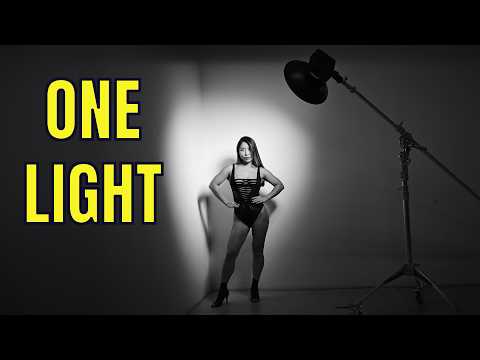
Matt Granger tests a new flash through single light portraits. Hany Farid and Joel Simon explain why direction and exposure knowledge matter more than automatic settings. Luc Forsyth weighs compact interview key lights and cheap fixtures, while Five By Nine warns that concentrating all illumination from one source reshapes the room. The written references confirm that key light choice is both technical and compositional.

Campbell's monomyth supplies a durable map, but these excerpts show that map under pressure. A TED-Ed myth, a FIFA match, a Stranger Things audition, Steven Pressfield's artist's journey, brand advice, and villain theory disagree about who owns the story. The written record confirms Campbell's influence while leaving open whether one template can hold every hero, and that tension drives the dossier.