Curated Topic Hub
146 public documentaries健康・生命科学
Sleep, strength, longevity, nutrition & peer-reviewed physiology
Health Topic Toolbox
Galpin Equation Hydration Calculator
Compute exact fluid & electrolyte targets from Dr. Andy Galpin's protocol by body weight and workout duration.
The Muscle Rules That Decide How You Age
Across these interviews, Andy Galpin treats muscle fiber training as practical biology: heavy, difficult work recruits fibers, fasted exercise can be tolerated, and strength protects ordinary movement. Radák's fiber-type physiology and Kupchak's flight-plus-workout damage data frame the claims. The speakers disagree less about biology than about how much mileage ordinary trainees can safely extract from it.

Why the Clock Change Is a Health Event
Dan Pardi and Christine Blume describe sleep as daylight anchored: cellular clocks need one central body clock and consistent light. CBS, FOX 13, and KXAN clinicians call clock changes jarring for sleep and health, while Bloomberg treats standard time as policy. A 2025 systematic review and the American Academy of Sleep Medicine statement make clock transitions a public-health question.

The Brain Needs a Body in Motion: How Exercise and Food Rewire Health
Tommy Wood says exercise types affect the brain differently, and The Knowledge Project links daytime exercise to nighttime lymphatic clearance. Yale frames nutrition as global health, Stanford cites a 41 percent breast-health disparity among Black women, and Chris Palmer targets glucose and insulin by removing sweets. Neuroscience reviews on mitochondria, inflammation, and sleep support these metabolic and clearance pathways, while the misconceptions list warns against overreading single mechanisms.

The Longevity Gap: What Peter Attia Really Believes
Across these recordings, Peter Attia appears as clinician, podcast guest, and returning subject, while David Sinclair supplies the molecule frame and Tim Ferriss supplies the personal interview. The verified Outlive citations anchor Attia's longevity book, but metformin remains mostly implicit, so viewers hear evidence being assembled around a drug the clips seldom examine.

Your Body Has a Clock. Your Late Snack Is Fighting It.
Panda's lab work and the podcast excerpts converge on a practical point: when people eat can matter alongside what they eat. The FoundMyFitness and Chatterjee conversations press on implementation, especially morning timing and shift work, while Lex Fridman's guests speak from athletic practice and DeLauer's clip places time-restricted eating among calorie counting, fasting, and pharmacology.
The Sunlight Switch That Sets Your Whole Day
Across six clips, Andrew Huberman describes morning light hitting the eye as a circadian signal, while commentary hosts translate that into cortisol and sleep routines. The written record is narrower: Smith (2005) shows morning light can phase advance young adults, and Sansom's 1972 essay records early sun as ordinary experience. The speakers agree on timing; they differ on how much cortisol language carries.

The Sleep Habit That Rewires Your Metabolism
The speakers treat metabolic health as a daily timing problem: HIIT can improve insulin sensitivity, St-Onge asks how meals shape sleep, and Bikman notes sleep and metabolism are tightly linked. The written record sharpens that claim: circadian rhythms repeat roughly every 24 hours, and a 2024 cohort found sleep regularity predicts mortality better than duration alone. The practical question is what to measure and change first.

Your Brain Fog May Not Start in Your Brain
The six clips circle one claim: chronic inflammation may cloud cognition, and diet, sedentary behavior, mineral status, and ketosis are offered as levers. The evidence is strongest for long COVID, where brain barrier disruption and systemic inflammation track cognitive impairment. Yet brain fog remains a subjective symptom, so creators sell certainty faster than researchers can measure it.

Why Endurance Athletes Need to Lift Heavy
The dossier follows strength work into endurance sport without promising a single formula. Ross Edgley and Nick Bare describe heavy, technical sessions, while Andrew Huberman, Andy Galpin, Peter Attia, and Christopher Sommer frame strength as a practice to test and revise. Verified reviews and trials link maximal strength work to running economy and endurance performance, not merely muscle size.

Why One Diet Doesn't Fit Every Gut
Fiber feeds gut microbes, but the effect depends on which microbes are present and how industrialized a person's diet has become. Elinav frames personalized responses; Hill contrasts fermented foods with fiber; Spector describes polyphenols as fuel; Gardner defends feeding trials; Klaper links fiber and antioxidants to vascular tone. The literature agrees on fiber's importance while leaving dose, source, and individual response unsettled.
Protein After 50: How Much Actually Builds Muscle?
Alan Aragon and Andy Galpin frame protein dosing as a practical question, while FoundMyFitness and Gabrielle Lyon tie muscle protein synthesis to metabolism and aging. Jeremy Ethier's whole egg comparison and the 2009 exercise review show that food form and training context matter. The literature on atrophy and mechanosensitivity adds a warning: aging changes the muscle's response as well as the recommended number.

Your Blood Pressure Is Whispering. Your Heart Hears Everything.
Laukkanen's cohort work and the Mayo review connect frequent sauna bathing with lower cardiovascular mortality, but the evidence is observational and Finnish. Blood pressure is the measurable hinge: clinicians describe severe hypertension and arterial strain, while commentary on potassium and vessel lining explains mechanisms. The dossier keeps the speakers' claims separate from the outcome data. A 2022 Finnish cohort adds systolic pressure as a modifier.

Dr. Rhonda Patrick Supplement List & Longevity (2026)
生き延びることの静かな算術
ビタミンDとオメガ3をめぐる長寿の議論は、奇跡のカプセルを探すことよりも、積み重なる節度を学ぶことである。ロンダ・パトリックがグラフに興奮するのも、フィジオニックが微妙な差異に慎重なのも、同じ文脈に属する。試験は老化の減速を示唆するが、不死ではない。エルゴチオネインやマルチビタミンの記憶に関する主張は視野を広げ、食事パターン、運動、そしてベースラインの欠乏が重要であることを思い出させる。DO-HEALTH試験は、記録に冷静な背骨を与える。実践的な世界観は華やかさとは無縁だ——欠けているものを正し、推測ではなく検査し、小さな生物学的交渉を積み重ねること。

Muscle Protein Synthesis & Longevity Science
筋タンパク質合成と長寿
運動やトレーニングとは、体力と全体的な健康を高め、または維持する身体活動である。体重減少や維持、成長の促進、筋力の向上、筋肉の発達、心血管系の強化など、さまざまな理由で行われる。4人の独立した声を通じて、この私的な編集は、語られた証言と書かれた参照文献を一つの途切れない糸に紡ぎ出す。

Plant Protein Builds Muscle, but It Needs a Higher Leucine Dose
Gabrielle Lyon and Andrew Huberman describe meals meeting a 'loosing threshold' for muscle protein synthesis, while Max Lugavere cites 25 grams for younger people. Stuart Phillips and Alan Aragon center leucine and branched-chain amino acids, and Jeremy Ethier notes plant powders often stimulate synthesis less than whey. A 2024 Sports paper shows completely plant-based diets can meet leucine needs when modeled to energy requirements.

The Mind Is Not a Machine: What Really Heals Mental Illness
The spoken excerpts describe mental illness through reasons to live, serotonin pharmacology, NIH history, FDA urgency, and clinical psychology. No excerpt names Ede or ketosis; the written record supplies a small refractory inpatient analysis and a 2025 editorial. Together they show plausible metabolic promise under supervision and a wide gap between clinical evidence and public certainty.

Nearly Half of Heart Attacks Arrive Without Warning. So What Kills Us Now?
Peter Attia treats the four horsemen as prevention problems requiring evidence: sudden cardiac death can be the first coronary symptom, while rapamycin, peptides, and longevity claims invite scrutiny. Richard J Murphy restores the historical four horsemen, conquest, war, famine, and death. The dossier keeps Attia's clinical warnings and podcast banter distinct, using peer-reviewed references as background checks.
Peter Attia Longevity Protocol, Exercise & Supplements (2026)
最後の十年を稽古する
ピーター・アティアの長寿プロジェクトは、フェリスの洞窟、グーグルでの講演、フィットネス・ポッドキャストを通して聞くと、老化を虚栄ではなく能力とリスクの問題として扱う。エクササイズは実践的な背骨である。すなわち、晩年の要求を稽古する反復的なストレスだ。しかしこの資料には摩擦もある。初期の師、不慮の死、そして人気長寿本を事実確認する批評家たち。だから世界観は泉でも公式でもない。規律ある不確実性だ。身体を鍛え、証拠を問い、約束を誠実に保つこと。
What Actually Puts You to Sleep? A Neuroscientist's Toolkit
Across six clips, Andrew Huberman offers cold water, a low-energy reset, magnesium 382, and AGZ before sleep. Guests drift into GLP drugs and diet. The written record adds Nerina Ramlakhan's Tired But Wired and a 2006 network analyzer toolkit, a reminder that sleep protocols travel far from controlled evidence and into daily improvisation, even as speakers disagree about supplements, cold exposure, and drugs.
Wide Awake at 3 A.M.? The Fix Isn't More Sleep
The clips treat 3 a.m. waking as a timing problem, a behavior problem, and sometimes a medical one. Huberman offers cold water and light cues; a sleep clinician names the 11-to-3 pattern; a GLP drug tangent shows how quickly sleep talk drifts into metabolism. Indexed sleep-alert and wake-up stroke references keep clinical stakes in view.

Your Bones Are Not Fragile by Default
The dossier follows bone density from clinic language to training floor. Speakers disagree about starting points: Johnson asks about dad bod, Stanford links exercise to glucose and weight, Rehab Science cues full range motion, and Giangregorio asks how exercises are chosen. The LIFTMOR trial and osteopenia definitions clarify that load and impact matter most for people with low bone mass, while vegan and mind-body questions remain narrower.
Inflammation: The Root-Cause Story We Keep Getting Wrong
Across six clips, the root-cause question splits into measurable inputs and marketing language. Alan Goldhamer uses a chocolate thought experiment to probe food labeling; Philip Calder points to simple sugar; FoundMyFitness examines visceral fat and fatty liver; Josh Axe challenges supplement stacking. Stanford's cough segment and Microsoft's manufacturing AI widen the frame, showing how diagnosis and causal tracing depend on context.

Your Back Pain Is Not a Stretching Problem
A Stanford librarian opens the discussion, Tim Ferriss demonstrates hamstring work, and Jeff Cavaliere describes hyperextensions with Andrew Huberman. Jeremy Ethier and Stuart McGill warn that many lower back stretches are short-term fixes. A 2025 scoping review on office workers and a 2021 network meta-analysis of chronic low back pain keep the focus on exercise type and sitting behavior, not posture correctors alone.

Your Muscles Are Repairing More Than You Think
Resistance exercise pushes mTORC1 signaling toward hypertrophy, yet the same session can trigger autophagy through stress and oxidative signals. Guido Kroemer names exercise as an autophagy stimulus; Thomas DeLauer points to AMPK and ULK in muscle. High Intensity Health adds circadian timing, TopHealth ties muscle mass to aging systems, and David Hood's mitochondrial work frames exercise as a cellular maintenance signal.

Your Body Warns You Years Early: Five Metabolic Signals
The five markers are concrete: abdominal obesity, high blood pressure, high blood sugar, high triglycerides, and low HDL. A randomized berberine trial, a HIIT protocol, a 163-person food intervention, and St-Onge's sleep research each target different pieces. Clinicians like Doctor Alex turn those pieces into checklists, while metabolic syndrome requires three of five conditions.

The Insulin Resistance Clue: One Hormone, Many Diseases
Ben Bikman frames insulin resistance as a shared root of chronic disease, while commentary videos turn that claim into food lists, glucose hacks, and warnings about heart disease and cancer. The written evidence supports the link to metabolic syndrome and PCOS, but practical advice varies by diet, timing, exercise, and sleep. Viewers hear where consensus ends and personal protocols begin.

Dorian Yates High-Intensity Training & Conditioning Routine
沈黙の前の最後の一挙
筋力トレーニングは脂肪燃焼や有酸素運動に勝つためのスローガンではない。漸進的過負荷、計測された努力、回復、そして正直な限界の実践である。語られた抜粋は、断食とフィットネスの定義から、初心者への安心と日常動作への自信へと移り、文献は主張を狭める。筋力は負荷、意図、そして失敗への近さに反応するが、魔法の算術には反応しない。失敗まで追い込むトレーニングは道具であり、宗教ではない。科学は忍耐、明確な用量、個人の自己認識、そして謙虚さを求める。
The Strength That Carries Over
The dossier pairs Tim Ferriss pressing Peter Attia on changed conclusions with Pavel Tsatsouline and Andrew Huberman on variety and plasticity, then tests those claims against consumer fitness advice. Literature on unilateral training and swimming strength work sharpens the question: specificity builds strength, but transfer depends on the task, limb, and sport. The written evidence keeps the focus on measured outcomes.

Is Your Gut Quietly Raising Your Alzheimer's Risk?
The dossier follows David Perlmutter's gut brain question through Tim Spector, Emeran Mayer, John Cryan, and Uma Naidoo. Spector describes microbial signals moving from gut to brain; Mayer calls autism a prototypic brain gut microbiome disorder; Naidoo recalls how recent the field is. Peer reviewed work by Perlmutter and Clarke on tryptophan metabolism supplies provenance, while the speakers disagree about how fast clinical claims should travel.

The Caffeine Cutoff Is Only Half the Story
The dossier centers on a practical bedtime cutoff: stop eating three hours before sleep, as FoundMyFitness argues. Huberman and Snyder complicate the rule with glucose patterns and subphenotypes, while Asprey's 400 mg pre-bed claim and Newport's phone warning show how sleep advice splinters. The Japanese worker study and Gen Z references supply context, not proof.

The 8:30 Fix: Why Teenagers Are Wired to Sleep Late
Wendy Troxel says the research on later start times is unequivocal. Michael Grandner notes one district pushed to 8:30 and few states followed. Against that policy lag, pediatric meta-analyses and crash data show measurable adolescent sleep and safety gains, while commentary turns to sleep hygiene and practical advice. The dossier keeps the gap between evidence and implementation in view.

Your Brain Takes Out the Trash While You Sleep
Matthew Walker and Andrew Huberman frame sleep as a clearance window for the brain, while Max Krummel cautions that fluid on imaging may reflect ordinary lymph movement rather than glymphatic flow. The literature defines the glymphatic pathway as CNS waste removal, and a 2025 Cell paper links norepinephrine-mediated slow vasomotion to clearance during sleep. The speakers agree on sleep's importance but differ on measurement and clinical certainty.

Is Depression Really in the Brain? The Inflammation Clue Doctors Missed
The dossier follows cytokines, visceral fat, vitamin D, hyperthermia, mindfulness, and accelerated TMS as competing routes into depression. Raison and Ferriss describe immune and stimulation experiments while Goleman and High Intensity Health offer everyday levers. Dunn's cytokine hypothesis and Nature reviews frame the biology, while the speakers disagree on practical priority and the written record leaves treatment order unresolved.

Jumping Into Ice Water: What Cold Plunges Really Do to Your Mood
Cold water has become a consumer ritual, with Tim Ferriss showing an affordable setup while Bill Burr treats the trend as a punchline. FoundMyFitness and High Intensity Health discuss resilience, mood, and mitochondrial claims, but NutritionFacts warns of conflicting information and the dopamine promise remains shakier than the referral codes suggest. The result is a dossier of claims, commerce, and evidence around a simple bucket of cold water.
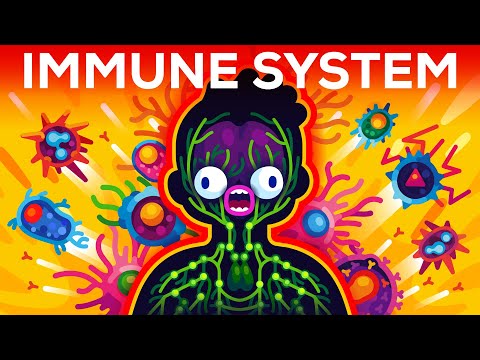
The Five-Hour Night That Leaves You Inflamed
The immune system is vast, layered, and memory bearing, as Kurzgesagt, Yale, Brachman, Krummel, and Bertozzi show. Patrick narrows the sleep question to modest loss, five hours or one to two hours short. Reviews describe sleep immune crosstalk, while a 2023 Cell study links prolonged deprivation to cytokine storm in mammals. Everson's 1997 chapter frames deprivation as an immune stressor. That distinction keeps architecture separate from dose.

Your Bedroom Light Is Talking to Every Cell in Your Body
Tim Ferriss and FoundMyFitness describe light as a circadian timing signal, while William Davis asks about retinal damage and Nick Norwitz promises new mitochondrial data. The written evidence is narrower: Cochrane 2023 and Yousef 2020 find no reliable sleep benefit from blue-light filtering glasses. Two unrelated acts, Roanoke Gaming and Democracy Now, show how search noise crowds health evidence.
Complete Pillar Archive
More Health & Biology Documentaries (+110)
- The Aging Risk Hiding in Your Blood6 幕 · 4m 59s
- The Sleep Switch That Will Not Stay On6 幕 · 6m 58s
- Protein Timing: What Actually Builds Muscle?6 幕 · 4m 49s
- Sleep Is Weirder Than You Think6 幕 · 6m 14s
- Naps Are Not a Cure-All: What Your Body Clock Is Really Saying6 幕 · 6m 35s
- The Dopamine Motivation Gap: What the Evidence Misses6 幕 · 5m 07s
- Your Heart Risk Score May Be Lying to You6 幕 · 5m 55s
- The Light That Steals Your Sleep6 幕 · 5m 39s
- Your Gut Is a Chemical Factory5 幕 · 5m 15s
- The Estrogen Window: Why Waiting Until 50 May Be Too Late6 幕 · 5m 27s
- What If Restricting Blood Builds More Muscle?6 幕 · 6m 11s
- 死を測る男6 幕 · 5m 05s
- 分子と死の条項5 幕 · 4m 40s
- 記憶力を高める科学——速やかな理解のために4 幕 · 3m 45s
- 15 Minutes a Day, or Too Much? The Longevity Evidence Is Messier Than You Think6 幕 · 4m 52s
- Your Brain Works the Night Shift: The Strange Power of REM Sleep6 幕 · 6m 31s
- Sleep Less, Live More? The Real Cost of Polyphasic Sleep6 幕 · 5m 55s
- Forget Bedtime: The One Alarm That Fixes Your Sleep6 幕 · 6m 03s
- Your Risk Is Not Your Fate: The Levers You Can Still Pull6 幕 · 6m 58s
- William Dement Named Your Sleep Debt. You Are Still Paying It.6 幕 · 4m 45s
- The Food That Tricks Your Brain and Body6 幕 · 6m 34s
- Sauna for Your Brain? The Heat Shock Protein Claim6 幕 · 6m 05s
- Your 4 P.M. Coffee Is Still Working at 10 P.M.6 幕 · 5m 52s
- The Hot Bath Sleep Trick: Why Warming Your Skin Cools Your Core6 幕 · 4m 53s
- Your Grip Is a Warning, Not a Workout6 幕 · 4m 56s
- Can Fish Oil Clear Brain Fog? The Evidence Is Messier Than You Think6 幕 · 5m 18s
- The Gland That Builds a Brain: Thyroid Hormones Before Birth6 幕 · 6m 34s
- The Migraine Brain Is Too Excitable. Is Magnesium the Missing Brake?6 幕 · 5m 49s
- Your Gut Is Running Your Immune System5 幕 · 3m 55s
- Your Gut Is Talking. Here's What Happens When It Leaks6 幕 · 5m 32s
- The Minimalist Shoe Bet: Why Stronger Feet Still Get Hurt4 幕 · 3m 12s
- Your Doctor Never Took This Class: What Anti-Inflammatory Food Really Does6 幕 · 6m 47s
- Night Shift Is Quietly Breaking Your Heart6 幕 · 7m 20s
- The Night Shift Sleep Trap: Why Daytime Sleep Cannot Undo the Damage6 幕 · 7m 24s
- Caffeine Doesn't Give You Energy: It Blocks Your Sleep Signal6 幕 · 4m 44s
- The Coffee Nap: What Caffeine Really Does to Your Brain6 幕 · 5m 48s
- The NAD Boom: Anti-Aging Miracle or Expensive Drip?6 幕 · 5m 04s
- 自分に負う最初の光4 幕 · 3m 23s
- The Muscle Gap: Why Strength Decides How You Age6 幕 · 5m 24s
- Perimenopause Is a Heart Story, Not Just Hot Flashes5 幕 · 4m 22s
- One in Three Has It. Almost No One Knows: The Insulin Resistance Blind Spot6 幕 · 5m 52s
- Sweat More, Live Longer? What Sauna Frequency Does to Your Heart5 幕 · 4m 43s
- Alcohol Steals Your Dreams, Then Hands Them Back6 幕 · 5m 10s
- The Dopamine Trap: Why You Chase What Leaves You Empty6 幕 · 4m 26s
- Is Depression an Inflammation Problem? What Omega-3 Really Changes6 幕 · 5m 15s
- The Core Stability Trap: Why Strong Glutes Aren't Enough4 幕 · 3m 33s
- Back Pain Isn't a Broken Back: What Actually Heals It6 幕 · 5m 01s
- Your Sleep Has Two Clocks. Only One Is Listening.6 幕 · 4m 35s
- Your Body Is Whispering. Are You Listening?6 幕 · 5m 31s
- The Mood Molecule: What Exercise Actually Does to Your Brain6 幕 · 5m 25s
- Why You Wake Up Groggy, and Why Snooze Makes It Worse6 幕 · 5m 06s
- 静かなるミネラルと、そのあとに訪れる眠り6 幕 · 5m 40s
- 静かな洪水――コルチゾールと張りつめた身体4 幕 · 3m 47s
- Your Bed Shouldn't Scare You: The Insomnia Cure That Beats Ambien6 幕 · 7m 48s
- Is Depression an Inflammation Problem? The Hidden Loop Between Immunity and Mood6 幕 · 6m 40s
- The Melatonin Label Is Not a Promise6 幕 · 5m 52s
- Your ADHD Brain Isn't Lazy. It's Chasing the Next Hit6 幕 · 5m 09s
- The 8-Hour Myth: Why Sleep Regularity Predicts Mortality Better Than Duration6 幕 · 5m 12s
- The Caffeine Illusion: Why Coffee Only Hides Tiredness5 幕 · 4m 49s
- 夜はトレーニングパートナーである6 幕 · 5m 25s
- 食事の間の静かな時間5 幕 · 6m 03s
- 記憶を支える静かな燃料5 幕 · 5m 43s
- PMDD Is Not Just PMS: How Hormones Rewire the Brain6 幕 · 5m 56s
- Your Body Has a 24-Hour Clock. Light Controls It.6 幕 · 6m 37s
- Tesla's Two-Hour Sleep Myth: Genius or Slow Collapse?6 幕 · 6m 27s
- The Perfect Sleep Score Is Keeping You Awake6 幕 · 6m 25s
- The Winter Without Time: Life When Your Circadian Clock Goes Dark5 幕 · 4m 48s
- Tired All the Time? Why Your Thyroid Test May Lie6 幕 · 5m 40s
- The Alcohol Brain Damage That Looks Like Alzheimer's6 幕 · 6m 29s
- The Achilles Rule Nobody Can Agree On6 幕 · 4m 34s
- Melatonin Isn't a Sleeping Pill: Why Timing Beats Dosage5 幕 · 6m 30s
- 水と光、そして身体の静かな台帳4 幕 · 3m 34s
- 私たちが自分自身に負っている酸素の借り5 幕 · 5m 09s
- Why Weekend Catch-Up Sleep Can't Repay Your Debt6 幕 · 4m 27s
- The Cooking Fat That Raises Your ApoB6 幕 · 6m 09s
- Creatine Helps, But Recovery Does the Heavy Lifting4 幕 · 4m 42s
- Zone 2 Is Not Enough: What Mitochondria Really Need6 幕 · 4m 52s
- 筋肉の建築学6 幕 · 5m 52s
- 努力する分子4 幕 · 3m 34s
- Is Low Iron Quietly Dimming Your Dopamine? The ADHD Ferritin Clue6 幕 · 5m 20s
- You're Not Just Losing Fat, You're Losing Muscle6 幕 · 4m 42s
- Your Brain Does Its Best Work While You're Asleep4 幕 · 4m 12s
- 私たちが抱える時計6 幕 · 6m 28s
- The Endurance Upgrade: Zone 2, Sauna Heat, and a Quieter Mind4 幕 · 3m 44s
- Why Your Period Brings a Migraine: The Estrogen Drop That Sets It Off4 幕 · 3m 33s
- Can Food Change Multiple Sclerosis? Terry Wahls and the Diet That Divided Medicine5 幕 · 4m 35s
- Stiffness Is Trainable: What Your Joints Need Beyond Stretching6 幕 · 5m 58s
- Sauna, Cold Plunge, Repeat: What the Ritual Really Does6 幕 · 4m 46s
- The New Cigarette? How Ultra-Processed Food Hijacks Your Reward Loop6 幕 · 7m 38s
- Ultra-Processed Food vs. Your Gut: What the Science Really Says4 幕 · 4m 05s
- Lose Fat, Keep Muscle: The Diet Rules Most People Break5 幕 · 3m 35s
- The 3 A.M. Wake-Up: Why Cortisol Won't Let You Sleep6 幕 · 5m 15s
- CPAP Isn't the Only Answer: Mild Sleep Apnea Gets Worse6 幕 · 5m 30s
- 15 Grams or 700? The Carbohydrate Rule That Splits the Experts6 幕 · 5m 57s
- Jeff Nippard and the 'Evidence-Based' Everything Boom6 幕 · 4m 57s
- Why You Crash at 3 P.M.: The Chaos Started at Breakfast5 幕 · 3m 34s
- Your Blood Already Knows How Long You'll Live5 幕 · 4m 01s
- Your Rest Day Is the Workout: What Six Training Plans Get Right About Recovery6 幕 · 6m 09s
- Your Jumpy Legs Are Begging for Iron6 幕 · 4m 48s
- The Price of Going All In: What Endurance Fueling Really Costs5 幕 · 3m 53s
- Your 3 A.M. Demon Is Probably a Sleep Disorder5 幕 · 5m 22s
- Can Blood Tests Predict Your Future? Inside the Longevity Testing Boom6 幕 · 5m 17s
- The Clock in Your Eyes: Why Morning Light Sets Your Whole Day6 幕 · 5m 21s
- Can You Rehearse Away a Nightmare? Inside PTSD's Strangest Therapy6 幕 · 6m 34s
- Hamstring Injuries Are Preventable. Why Do They Keep Happening?6 幕 · 4m 15s
- The Caffeine Illusion: Why a Pill Can't Replace Your Coffee6 幕 · 4m 38s
- The Progesterone Trap: Why PMDD Is Not Simply a Hormone Problem6 幕 · 4m 50s
- The Cave Experiments the Tape Left Out6 幕 · 6m 20s
- The Scientist Who Slept in a Cave5 幕 · 5m 45s
- The Volume Trap: Why More Isn't Always Better5 幕 · 4m 11s