Curated Topic Hub
119 public documentaries歴史・地政学
Empires, wars, geopolitics, economic history & great biographies

Did We Really Land on the Moon? Skeptics Face the Evidence
The dossier pairs Apollo 11's official record with suspicions about its press conferences, later lunar absence, and televised images. Dr. G reads anxiety in body language; Tom Lehrer sings of Wernher von Braun's expedience; National Geographic describes a ghostly broadcast; Shawn Ryan asks why nobody has returned. The record confirms the 1969 landing and shows broadcasters planned for an unpredictable event.

The Spy Feud That Paralyzed the CIA
The dossier tracks Cold War espionage through competing defector testimony, Berlin covert operations, ballistic missile submarine reconnaissance, and East German dissent. Speakers show intelligence work as bureaucratic, personal, politically explosive, and morally compromised. The written record frames espionage as a missing dimension of Cold War history, while the acts reveal how sources, institutions, and public memory collide under pressure.

Why the Roman Empire Fell: Structural History
静かなる崩壊——ローマの長き変容
ローマの滅亡は単一の出来事というよりも、何世紀にもわたる変容の過程であり、政治的断片化、宗教的再編、経済的収縮が地中海世界を再形成していった。資料は、劇的な崩壊の物語と、歴史家が今重視する静かなる体系的変化との間の緊張を明らかにしている。動物の小型化から教区の変遷に至るまで、証拠は緩やかな解きほぐしを示しており、私たちの潔い終焉への渇望を問い直す。

Vietnam: The War That Refused to Stay Forgotten
The excerpts move from the war's scope to its human cost: a Marine recalls checking bodies, reporters describe brutality, and McNamara's Fog of War frames retrospective lessons. The written record adds antiwar demonstrations and the First Indochina War's origins. Together they show how documentary evidence shifts between strategy, witness, and public dissent.

Lincoln's Darkest Decisions: What Saving the Union Really Cost
The dossier places Gallagher's lecture series at the center, then lets other speakers press Lincoln on emergency powers and racial politics. One clip notes his suspension of habeas corpus; another says he was anti-slavery but no abolitionist before the war. Comments on Grant, the penny, and western troops show how command and memory keep shifting.

1940: Britain's Last Line Was the Sky
The Battle of Britain was decided by an integrated air defense system: radar, command and control, and fighter squadrons. Imperial War Museums dates the campaign July to October 1940; History Hit frames it as a clash whose result was decided in the air. Modern commentary on Ukraine and air-defense technology shows the same contest between interception and civilian terror, not just aircraft counts.

Oppenheimer's Decision Machine Is Still Running
The record shows Oppenheimer leading Los Alamos inside a vast defense portfolio, not a single secret project. An MIT lecture stresses thousands of military projects; Gary Klein describes accumulating damage; later commentators turn the Manhattan Project into an AI analogy and a mortality story. Peer-reviewed accounts confirm his directorship, while the film and biography sustain public myth. The dossier separates managerial scale from moral consequence.

Who Really Controls Money? The 230-Year Bank Fight
A Yale lecture starts with the postponed class and opens the Hamilton-Jefferson contest over what kind of nation America would be. A Lex debate clip notes that speakers embrace both men, which shows how the bank argument recruits rival instincts. The documentary pairs that cabinet fight with academic work on constitutional bank powers and modern central-bank reports from Switzerland, Ethiopia, and Washington.

The Oil Wars America Never Needed
Eugene Gholz calls America’s oil wars largely unnecessary and ineffective, even as BBC and CNBC track price shocks and disrupted crude flows. Geopolitical Economy Report ties Middle East interventions to dollar dominance, while The Economist returns to the Carter Doctrine and oil’s flow. The 1973 embargo and a 2026 Hormuz closure show how energy chokepoints become financial and military problems.

8:15 A.M.: The 43 Seconds That Changed Hiroshima
The five spoken excerpts agree on the date, time, and sequence: Little Boy at 8:15 a.m. on 6 August 1945, Nagasaki three days later. They split on emphasis, from Truman's decision to radiation sickness and survivor Eizo Nomura. The written record anchors the dates and Truman's statement, while the voices show how the bombing is narrated as both ending and aftermath.
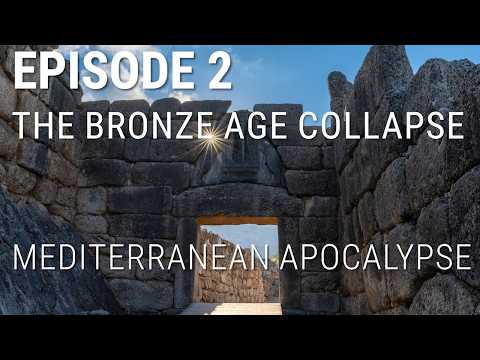
When the Bronze Age World Went Silent
The documentary follows collapse from Hattusha's rocky outcrop to Ugarit's trade networks and Mycenae's citadel, asking how routes failed. Speakers describe a fiercely competitive, mobile world; scholarship on Ugarit as a Bronze Age Hansa and Aegean collapse shows how interdependence turned local shocks into regional failure. The evidence is archaeological and textual, not a single invasion story, and trade routes are the connective tissue.

Alexander at Issus: The Riverbank Trap That Broke Persia
TED-Ed supplies the clearest tactical claim: Alexander's battlefield judgment was essential against Persia, including troop placement at Issus. History Matters shifts to Rome, while UsefulCharts turns to successors. The written references support Alexander's tactics as a core of sustained success across 336 to 323 BC, yet the spoken record includes off-topic medieval and Ottoman clips that leave Issus underdescribed.

The 21-Year-Old Sultan Who Broke Constantinople
Mehmed II arrived at the Theodosian walls on 5 April 1453, a 21-year-old sultan seeking proof. Speakers describe Constantinople as Christendom's largest city and the siege as a hinge in human history. The written record fixes the dates: a 53-day siege from 6 April to 29 May, with Giovanni Giustiniani commanding 700 defenders. The accounts converge on a young sultan, a storied capital, and a defense that failed.

Justinian Tried to Rebuild Rome. Then the Plague Arrived.
Justinian I ruled from 527 to 565 and pushed a renovatio imperii that was ambitious and only partly realized. The speakers place that push inside the eastern Mediterranean's dangerous corridors of empire, while Procopius records a pestilence that nearly annihilated humankind. Coins and maps show the empire's shifting reach under Anastasius, Justinian, and Heraclius. That gap between claim and capacity drives the dossier.
The Shipwreck That Explains the Bronze Age Collapse
The dossier reads Uluburun as a working cargo, not a symbol: Cemal Pulak's Oxford Handbook entry and N. Hirschfeld's study of Cypriot ceramics anchor the site in late fourteenth century trade. Around that evidence, speakers describe Hattusha's ruins, unresolved Sea Peoples names, and a Nordic Bronze Age beyond Mediterranean limits. The argument is archaeological: cargo lists and excavation contexts test grand collapse narratives.
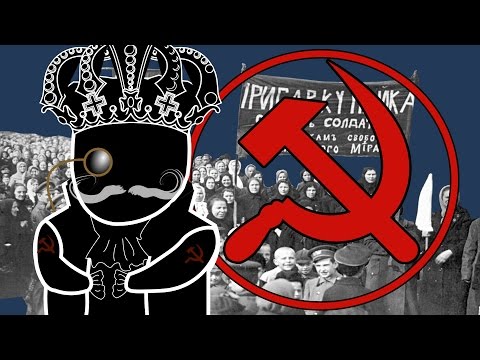
Bread Lines and the Tsar: How Russia Broke Twice in 1917
The dossier treats bread shortages as a pressure gauge, not a single cause. Fox shows the tsar's sacred authority, Sorokin records ordinary diary keeping under collapse, Dynastic Profiles ties earlier famine to 1917, and Snyder and The Great War trace how war, elite support, and revolutionary application broke the empire.

The Pentagon Wants Silicon Valley Back
The dossier traces a reversal: Silicon Valley began as a defense research center, drifted from Washington, and now returns through contracts, semiconductors, and new Pentagon offices. Speakers describe the Defense Innovation Unit, RTX, and early stage bridge building. Organizational culture remains the unresolved variable, especially where commercial timelines meet military procurement, and the speakers disagree less about history than about how fast the relationship should move.

Mao's Secret Olympics in a POW Camp
Mark Felton anchors this dossier in Mao's secret prisoner Olympics and the American-led United Nations response. The Armchair Historian supplies the amphibious landing texture; Mr. Beat tracks the bitter US-North Korea relationship. Written references confirm the 1950-53 conflict and Britain's 56,000 troops, while two stray Kings and Generals clips mark the archive's wider military drift.

The Cold War Race for Space Never Really Ended
The dossier tracks how Cold War space achievements became state messaging. Jensen Huang links the race to earlier technology contests; BBC reporting notes the Outer Space Treaty kept orbit peaceful for decades; Soviet and space propaganda scholarship shows governments converted launches into claims of superiority. Credibility, deterrence, and public belief sit beside engineering, and the speakers disagree about whether law or rivalry sets the tempo.

The Gold Standard Is Gone. So Why Are We Still Afraid?
The dossier sets Eichengreen's peer-reviewed work on the gold-exchange standard against IMF gloom, a historian's complaint about U.S.-centered accounts, Ramsey's 2026 warning, AvE's Vancouver story, and Gary Gulman's Beckett line. The through line is the recurring use of Depression language to explain present anxiety, and the gap between systemic evidence and personal survival.

Same Targets, Different War: The Middle East's Century of Fire
Mark Felton shows that WWII bombing linked Tel Aviv, Bahrain, and Dhahran before today's headlines. Kings and Generals and Nada Majdalani frame Gaza as a new ignition point, while Johnny Harris notes that Middle East is an arbitrary European label. Written histories of civilization and Jordanian border law show borders as layered institutions, not fixed lines.

The First Shot Is Never the Beginning
The dossier treats civil war as a recurring technical problem: how a political dispute becomes organized violence. A Yale lecture promises the outbreak of warfare; Epic History marks 1918 as a new conflict; OverSimplified cites territorial votes; Sam Harris names a factional split; Sudanese and Chinese cases show suffering and victory. Caesar's Rubicon supplies the written hinge: a commander's irreversible move.

NVIDIA & Jensen Huang: GPU Architecture & AI Era
万物のエンジン
ジェンスン・フアンの物語は、突然の天才によるものではなく、頑固な信念の物語である。グラフィックスチップが人工知能のエンジンになり得るという信念だ。数十年にわたる静かなエンジニアリングと、長期的視点を手放さない姿勢によって、NVIDIAはニッチなゲーミング技術を新時代のインフラへと変えた。語られた断片は、レイテンシ、学習、そして持続の心理学に執着する精神を明らかにし、記録は不可欠な企業となった事実を裏付ける。これは、深い技術的先見性が容赦ない実行力と結びつき、世界をどのように再形成するかの肖像である。

The Shaking Hand That Signed Freedom
David Blight calls emancipation a turning point, which puts timing at the center. Gary Gallagher supplies the legal boundary: the Second Confiscation Act of July 1862, followed by Lincoln's preliminary order. Jake the Lawyer explains the military-necessity argument, while Allen Guelzo's Providence framing keeps motive and faith in view. The dossier treats January 1, 1863 as a calculated political and military act with moral force.
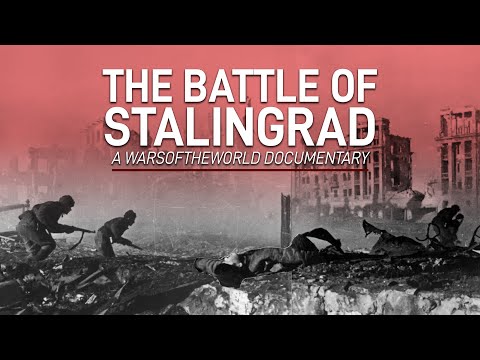
Stalingrad: The Last Stand That Broke an Army
These six excerpts move from Barbarossa's scale to the Sixth Army's encirclement and the sniper duel, with one Viking raid clip breaking the frame. The written record confirms Stalingrad as an Eastern Front turning point and places Soviet films such as the 1949 two-part Battle of Stalingrad in a longer cinematic memory. The dossier keeps the speakers' claims and the gaps between them in view.

How the American Civil War Started: Slavery, Lincoln & Origins
投票用紙と鎖
戦争の起源は気分の謎ではなく、意図の記録である。南部の指導者たちは奴隷制を維持し拡大するために脱退し、政治システムは領土投票と脆い妥協によってその事実を先送りし続けた。OverSimplifiedのニューメキシコとユタの瞬間はその回避を暴き、イェールの1860年選挙の枠組みは断絶を示す。歴史家は圧倒的に一致しており、世界の観察者や軍事学徒は、地方の奴隷所有者の共和国がいかにして世界的事件となったかを明らかにする。そして記憶は因果関係をそれ自体の戦場へと変えた。

Churchill's Speeches: Anaphora, Parliament, and Wartime Persuasion
The dossier starts with History Hit's historian on Churchill and the RAF, then widens to auditory scene analysis, sermon rhetoric, and line-by-line speech criticism. Anaphora and Hart's study of Churchill's words supply the written frame. The spoken excerpts disagree on method but agree that delivery, repetition, and context decide whether rhetoric persuades.

They Beat the Red Army. Then Afghanistan Burned.
Operation Cyclone funded and armed the Afghan mujahideen from 1979 to 1992, and the Soviet-Afghan War ran from December 1979 to February 1989. Speakers trace the fighting, Pravda's invasion announcement, glasnost's revelations, and the heroin economy that outlasted Moscow's withdrawal. The record shows a war fought by Afghan fighters, framed by Cold War propaganda, and extended by networks the CIA helped open.

Who Gets to Speak? The Strange Rules of the Public Sphere
The French Enlightenment, dated 1715 to 1789, made salons and print central to public argument. YaleCourses frames that history; Rich Roll describes Hunter Biden entering the public sphere; Heather Mac Donald claims racial-disparity facts are excluded; the Betz Sphere segment shows interviews shut down. The written record supplies dates, while the clips supply thresholds and withdrawals. Together they ask who speaks, who is excluded, and what counts as evidence.

Bitcoin, Monetary History & Inflation Cycles
帳簿と瀉血
ビットコインの金融史は単純なインフレヘッジではなく、制度への私たちの信頼を映す鏡である。バラジ・スリニヴァサンは、チャートがまだヘッジとしての機能を示していないと認める。マイケル・セイラーは、ジョージ・ワシントンが善意の医師たちによって死に至った逸話を、誤った介入の寓話として引用する。一方、バーンホルツの通貨レジーム史は、インフレが技術的な不具合ではなく、繰り返される人間のドラマであることを示している。ビットコインの健全なお金への願望とその不安定な現実との間の緊張は、私たちが物語と証拠を混同していることを露呈させる。

Battle of Stalingrad: Turning Point of World War II
天候を破った都市
語りの記録は、スターリングラードを単一の戦いではなく、一つの閾値として繰り返し想起する。すなわち、速さに賭けたヒトラーの賭けが、耐える意志を持つ軍隊と民衆に出会った瞬間である。ドキュメンタリーの声は「大きな転換点」という言葉で一致するが、書き残された記録は正確であれと求める。転換は終結ではない。スターリングラードは補給線、プロパガンダ、そして崩壊を当然視する傲慢さを露わにした。それは戦争を消耗戦へと変え、消耗を道義的かつ兵站的な清算へと変えた。

Cuban Missile Crisis & Cold War Nuclear Brinkmanship
世界の果ての十三日間
キューバ危機は、冷静な政治家たちのチェス対局ではなく、信号と恐怖とパフォーマンスが十三日間衝突した出来事だった。ピッグス湾で岩陰に身を潜める一人のキューバ兵、民間防衛の亀、偵察機のフィルムを運ぶ連絡員、シミュレーターの何気ない残酷さ——そのすべてが、瀬戸際政策がいかに普通の生活を縁へと押しやるかを示している。記録も一致している。強制的な外交は機能し得るが、それは指導者たちが瀬戸際政策を災害回避へと転換したときに限られる。制御が清潔であるという神話こそが危険なのだ。

The Real Secret of Rome: Engineering That Kept Working
The clips admire Roman engineering at monumental scale: warehouses, tunnels, ramps, aqueducts. The written record shifts attention to operation: Valens supplied Constantinople, while Nîmes and Segovia show hydraulic systems built to last. Maintenance is the unglamorous condition behind that endurance, the labor that made public baths, latrines, and fountains reliable. The speakers praise scale; the evidence asks who cleaned, inspected, and repaired.

Rebuilding School From Zero: Japan's Gamble, New Orleans' Bet
Matt Candler's time-machine question and Corey DeAngelis's departmental fight show reform as institutional memory and turf. The Meiji case sharpens that: samurai elites wrote school rules, lost stipends, and became entrepreneurs or teachers. The Bedtime Historian names the Satsuma and Chosu coalition; the Meiji oligarchy reference confirms a domain clique. Education reform was state building with a payroll attached.

The River That Made Pharaohs: How the Nile Built and Broke Egypt
Speakers move from the Nile as a green snake in hostile land to cats, Cleopatra's timeline, Old Kingdom collapse, Caesar's Alexandrian war, and the GERD dispute. The written record supplies the anchor: a 365-day civil calendar with three 120-day seasons and five epagomenal days, tied to a river 7,088 kilometers long. The calendar was administrative technology as much as astronomy.

Friedman's Radical Bet: Let Money Float
Jennifer Burns describes Friedman's reaction to a dollar-centered trade system: convertibility into dollars had become the mechanism, so he proposed floating exchange rates. Commentary and reporting show the regime's costs and persistence, from short-term volatility to Yellen's matter-of-fact description of floating currencies and Murphy's link to the 1971 gold-standard break. The written record supplies the intellectual lineage: Friedman's case for flexible rates and later scholarship on developing countries.
Complete Pillar Archive
More History & World Affairs Documentaries (+83)
- The Ditch That Broke Empires: Suez, Nasser, and the 1956 Gamble6 幕 · 5m 36s
- The Janissaries: When the Sultan's Elite Army Became His Enemy6 幕 · 8m 40s
- バフェットとマンガーの価値投資5 幕 · 4m 05s
- The Trillion Dollar Hangover: How Central Banks Broke the Money Machine6 幕 · 5m 46s
- Midway: The Battle That Broke Japan's Navy6 幕 · 6m 14s
- Useless Swords, Modern Empire: How Meiji Japan Reinvented Itself in a Generation6 幕 · 6m 37s
- Pearl Harbor: The Gamble That Woke America6 幕 · 8m 56s
- The Founding Fathers Were Traitors First5 幕 · 5m 16s
- The Rivals in Lincoln's Cabinet6 幕 · 7m 54s
- 2008: When the Repo Trade Broke5 幕 · 4m 18s
- The Suez Betrayal: Why Washington Chose Oil and the Dollar Over London6 幕 · 5m 30s
- Paper Money Blues: Why Inflation Feels Like Bleeding the Market6 幕 · 4m 56s
- The Dollar Switch: Who Can Cut You Off From the World?6 幕 · 4m 51s
- Suez, 1956: The Canal That Broke an Empire6 幕 · 5m 58s
- The Royal Road: How Persia Held an Empire Together6 幕 · 6m 28s
- Free Bread and the Fleet That Fed Rome6 幕 · 7m 05s
- The New Screen Panic Is 500 Years Old4 幕 · 4m 27s
- Augustus Built a One-Man Machine. Caligula Got the Keys.6 幕 · 6m 44s
- The Canal That Fed Beijing: How China Moved a Nation by Water6 幕 · 6m 17s
- Who Writes the Rules of Money?6 幕 · 6m 38s
- The Yom Kippur War Still Warns Us: Missiles, Oil, and Broken Supply Lines6 幕 · 6m 28s
- The Voice That Held Britain: Churchill's Wartime Speeches6 幕 · 6m 32s
- The Hidden Models That Shape Reality5 幕 · 4m 48s
- Everyone Is Borrowing Again: The 1929 Warning Hiding in Plain Sight6 幕 · 5m 15s
- 歴史の重み、人生の形4 幕 · 4m 29s
- アテナイの問い――民主主義の最初の論争6 幕 · 7m 24s
- 道ではなかった道5 幕 · 5m 02s
- The 1930 Tariff That Helped Cause the Great Depression Is Back6 幕 · 6m 15s
- The Medici Bought the Renaissance. Then Florence Paid the Price.6 幕 · 7m 10s
- 1973: The Embargo That Turned Oil Into a Weapon6 幕 · 8m 35s
- The Doomsday Paradox: Why Nuclear Deterrence Holds and How It Could Unravel6 幕 · 5m 59s
- The Trading Firm That Conquered India6 幕 · 5m 08s
- The Peace That Came Back as War6 幕 · 6m 17s
- The Ledger That Made Money Modern6 幕 · 5m 35s
- Munich 1938: A Country Sold Out Without a Shot4 幕 · 3m 26s
- Berlin Was Starving. The West Sent Planes.6 幕 · 6m 17s
- The Exam That Carved Names and Broke Hong Xiuquan6 幕 · 5m 07s
- Churchill Won the War, Then Lost the Country6 幕 · 5m 11s
- Lenin's Revolution Was Never Inevitable6 幕 · 6m 26s
- How Jersey Nerds Built the Transistor and Nearly Lost the Future4 幕 · 3m 25s
- When Bread Broke the Tsar: Petrograd, February 19176 幕 · 6m 21s
- The Water Clock That Couldn't Stop History6 幕 · 6m 14s
- Tulip Mania: The Bubble Story Misses the Real Market6 幕 · 5m 38s
- 革命を食らったコルシカ人6 幕 · 6m 52s
- Too Much and Not Enough: Why the Ottoman Reforms Couldn't Save the Empire6 幕 · 7m 25s
- The Taiwan Strait Is Already a War Rehearsal6 幕 · 5m 01s
- Could Savonarola Really Purify Florence?4 幕 · 6m 16s
- Cheap Books Broke the World: The Gutenberg Warning for AI6 幕 · 5m 18s
- Berlin, 1989: One Sentence That Opened the Wall6 幕 · 6m 32s
- The Transistor Came From a Monopoly. Then the Rules Changed.6 幕 · 5m 34s
- The Year That Lasted 445 Days: How Rome Reset Time6 幕 · 6m 13s
- 産業革命の経済的変容6 幕 · 5m 07s
- Greek Fire: The Flame That Saved Byzantium6 幕 · 7m 07s
- Six Mayas, One Ancient Script: What the Name Hides6 幕 · 5m 29s
- The Codebreaker Who Saw Midway Coming6 幕 · 5m 44s
- Genghis Khan's Army Was Not a Horde6 幕 · 7m 55s
- Crossing the Rubicon: Caesar's Gamble That Broke Rome6 幕 · 6m 22s
- Twenty-One Miles of Water Between You and $200 Oil5 幕 · 5m 34s
- The Tet Offensive: How the News Tore Open a Credibility Gap6 幕 · 7m 08s
- D-Day Weather Deception: The Forecast That Decides History6 幕 · 5m 01s
- D-Day's Missing Tanks and the Railway War Behind Overlord6 幕 · 6m 25s
- Why FDR Took So Long to Quit Gold: The Real Engine of the Great Depression4 幕 · 3m 36s
- Lehman Brothers: The $600 Billion Weekend That Broke Wall Street6 幕 · 7m 13s
- 2008 Repo Run: The Window Is Closing. Who Panics First?6 幕 · 4m 42s
- 嵐の中の鍵——フランクリンの電気に満ちた生涯6 幕 · 5m 07s
- What Does 'Last Resort' Really Mean? A Riff, a Submarine, and a Nuclear Letter4 幕 · 4m 19s
- Rome Ran on Grain. Then the Supply Chain Broke.6 幕 · 5m 28s
- Black Monday, Black Friday: When Everyone Rushes the Same Exit5 幕 · 4m 04s
- The Pyramids Weren't Built the Way You Think6 幕 · 4m 48s
- Why Egypt Recorded Everything Except How It Built the Pyramids6 幕 · 5m 14s
- The Bank That Bought the Renaissance6 幕 · 6m 18s
- Stalingrad: The City That Eats Armies Street by Street6 幕 · 4m 59s
- The Biggest Iron Ever: A 900-Year Trail From Song Furnaces to YouTube6 幕 · 4m 49s
- Who Built the Great Pyramid? Inside the Lost Workers' City5 幕 · 4m 08s
- The Samurai Didn't Die: How Japan's Warrior Class Became Its New Elite6 幕 · 5m 57s
- The Underground Rivers That Built Persia, and the Fight to Keep Them Flowing6 幕 · 6m 11s
- The Royal Road Was Never Just a Road6 幕 · 5m 45s
- Caesar Wrote His Own Headlines6 幕 · 5m 30s
- Britain's Rush to Exit: The Partitions That Still Bleed6 幕 · 5m 31s
- What Britain Buried in Its Colonial Archives6 幕 · 4m 48s
- Suez in 48 Hours: How Eden Gambled Away an Empire6 幕 · 7m 29s
- Who Takes a Cut Every Time Money Moves? Six Centuries of Hidden Fees6 幕 · 5m 49s
- The 1944 Meeting That Made the Dollar King6 幕 · 4m 12s