Curated Sub-Topic Tag
#長寿・アンチエイジング
Verified primary-voice documentaries on 長寿・アンチエイジング, or enter a sharper question below to cut a new film live from 200M+ spoken records.

The Longevity Gap: What Peter Attia Really Believes
Across these recordings, Peter Attia appears as clinician, podcast guest, and returning subject, while David Sinclair supplies the molecule frame and Tim Ferriss supplies the personal interview. The verified Outlive citations anchor Attia's longevity book, but metformin remains mostly implicit, so viewers hear evidence being assembled around a drug the clips seldom examine.
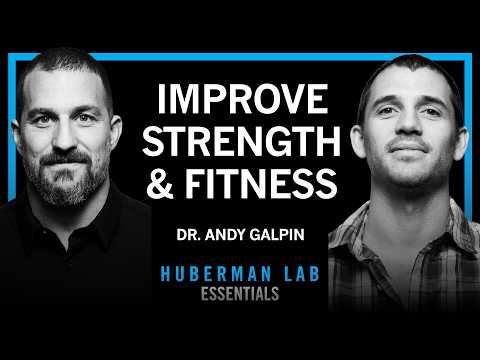
筋肉が決める老い方
インタビューを通じて、アンディ・ガルピンは筋線維トレーニングを実用的な生物学として扱う。重くてきつい作業が線維を動員し、空腹時の運動も許容され、筋力が日常の動きを守る。ラダークの線維タイプ生理学とクプチャクのフライト+ワークアウト障害データが、その主張を枠づける。話し手たちの不一致は生物学そのものよりも、普通のトレーニーがそこから安全にどこまで引き出せるかにある。

Protein After 50: How Much Actually Builds Muscle?
Alan Aragon and Andy Galpin frame protein dosing as a practical question, while FoundMyFitness and Gabrielle Lyon tie muscle protein synthesis to metabolism and aging. Jeremy Ethier's whole egg comparison and the 2009 exercise review show that food form and training context matter. The literature on atrophy and mechanosensitivity adds a warning: aging changes the muscle's response as well as the recommended number.

Nearly Half of Heart Attacks Arrive Without Warning. So What Kills Us Now?
Peter Attia treats the four horsemen as prevention problems requiring evidence: sudden cardiac death can be the first coronary symptom, while rapamycin, peptides, and longevity claims invite scrutiny. Richard J Murphy restores the historical four horsemen, conquest, war, famine, and death. The dossier keeps Attia's clinical warnings and podcast banter distinct, using peer-reviewed references as background checks.

Ikigai Is Not a Venn Diagram
Ikigai travels from Han-era Japan into resumes, market failure, and Okinawan longevity lore. The speakers disagree about whether purpose is a daily practice, a hierarchy to climb, or a risk when framed as obligation. Academic work on ikigai and purpose in life adds clinical caution and evidence from ageing Japan, where smartphones now mediate daily purpose. The dossier keeps their verbatim words central.

You Bought a Longevity Test. Now What?
The dossier follows longevity research through its claims and its clinic doors. Stanford warns that direct-to-consumer genetic tests are not interchangeable, while a FoundMyFitness clip admits uncertainty about a direct trial. Dartmouth's $11.8M NIH grant turns rurality into an asset, and Peter Attia returns to a medical-school question about cardiovascular pathology. Commentary on glutathione and women's public health shows how hallmarks travel into supplements and screening.

Lucid Dreams Feel Real: Science Is Still Catching Up
Brain imaging gives dream research a measurable vocabulary, yet the spoken record keeps returning to first-person reports. Big Think describes dreams as representations or reenactments, Thomas Brophy asks what lucid practice can teach, and Stanford Medicine frames imaging through migraine treatment. The written record, from basic dream definitions to LaBerge, confirms that neurology and subjective experience remain separate instruments.

The Strength That Carries Over
The dossier pairs Tim Ferriss pressing Peter Attia on changed conclusions with Pavel Tsatsouline and Andrew Huberman on variety and plasticity, then tests those claims against consumer fitness advice. Literature on unilateral training and swimming strength work sharpens the question: specificity builds strength, but transfer depends on the task, limb, and sport. The written evidence keeps the focus on measured outcomes.

Can Surgery, Diet, or a Pill Really Slow Aging?
The trial record here is a set of decisions: whether surgery can clear a brain tumor, whether amino acid restriction or curcumin deserves a randomized test, and how patients find trials. Peter Attia says diet evidence remains incomplete. Methodology references on NMN and trial design show why promising signals need dose, blinding, and controls before longevity claims travel.

The Aging Risk Hiding in Your Blood
The file treats hs-CRP as a measurable acute-phase protein, not a verdict on aging. Speakers from NAD research, vaccine safety, stem cell biology, and heart health show how inflammation claims move from lab markers to public advice. The documentary asks where evidence is strong, where it is thin, and why clinicians still disagree about risk.
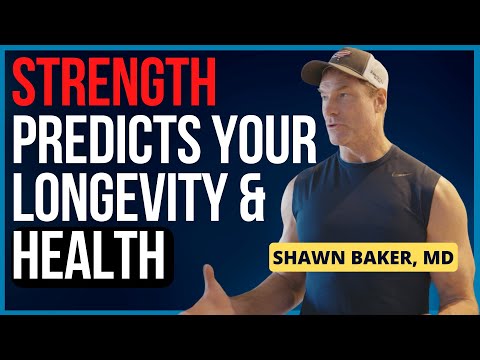
Your Grip Is a Warning, Not a Workout
Shawn Baker, William Davis, Andrew Huberman, and fitness voices treat grip strength as a practical marker of muscle preservation. The literature is more specific: handgrip thresholds track all-cause, cancer, and cardiovascular mortality, while sarcopenia and strength data in older women sharpen the clinical question. The dossier separates correlation, measurement, and training advice. It keeps the speakers' claims audible while marking the evidence's limits.

15 Minutes a Day, or Too Much? The Longevity Evidence Is Messier Than You Think
The speakers describe mortality risk as a set of measurable inputs: fifteen minutes of activity, sleep duration, protein source, and jogging volume. The written record adds social exposure, linking loneliness and adverse childhood experiences to mortality across decades, while longevity basis risk warns that population models can miss individual lives.
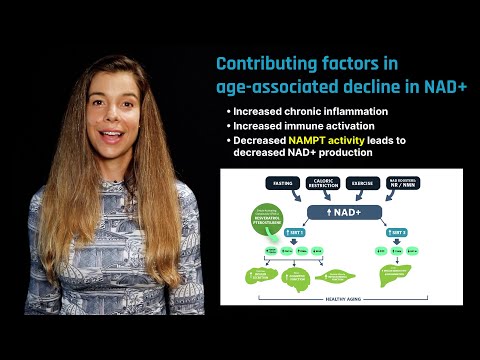
The NAD Boom: Anti-Aging Miracle or Expensive Drip?
Patrick introduces NAD as a molecule central to aging research. Sinclair gives the pathway in plain terms: NR becomes NMN, NMN becomes NAD. Kaeberlein points to an unexamined tissue endpoint, while Axe and Nicola frame precursors as optional or supplemental. The literature confirms NAD is central to metabolism and NMN is an intermediate, but human anti-aging claims remain narrower than product labels.

The Muscle Gap: Why Strength Decides How You Age
The dossier follows a clinical thread: muscle mass declines from about age 35, and weakness tracks with independence, stroke, Alzheimer's risk, and premature death. Speakers differ in emphasis, from sauna and growth hormone to strength training and mitochondria, while current sarcopenia consensus stresses muscle health and function, not mass alone.
The Longevity Evidence Gap: Why the Best Advice Is Still a Guess
Peter Attia says the best diet for aging is not definitively known. Ben Bikman treats human longevity correlations cautiously, while BioViva and summit entrepreneurs push gene therapy and rapamycin claims into commercial view. The written record, including dietary restriction studies and Long Life in a Pill?, shows plausible mechanisms but sparse clinical proof.

The Tiny Metal Bumps Deciding the AI Race
CNBC's clean room visit and soda-can analogy make advanced packaging the visible constraint. David Shapiro and enterprise AI commentary widen the bottleneck from CoWoS to human adoption, power, and governance, while chiplet research, AI server energy studies, and business-AI expertise literature confirm that hardware supply alone cannot explain delayed AI value. The speakers disagree on where scarcity sits, but not on scarcity itself.

Your Blood Already Knows How Long You'll Live
Max Lugavere opens with a longevity doctor; Dr. Franklin and Dr. Daniel Hayes discuss blood type, clotting, and neurological risk. AJ Blood notes billions spent on genes, while Doctor Alex asks how centenarians actually reach 100. TopHealth cites 119 cohort studies and 20.9 million observations. The written record adds consensus statements on aging biomarkers, genomic work on glycemic traits, and Zetterberg's blood biomarker screening for neurodegenerative dementias.

Can Blood Tests Predict Your Future? Inside the Longevity Testing Boom
The dossier follows six acts about blood sugar, blood type, and biological age. One speaker tracks a 15 AG glycomark; another insists you cannot manage what you do not measure. A shark experiment shows the cost of robust design, while researchers describe epigenetic clocks and GrimAge as predictive tools, not verdicts. The tension is between accessible testing and evidence that earns trust.