Curated Sub-Topic Tag
#睡眠・体内時計
Verified primary-voice documentaries on 睡眠・体内時計, or enter a sharper question below to cut a new film live from 200M+ spoken records.

時計を1時間進めるだけでは済まない理由
ダン・パルディとクリスティーン・ブルーメは、睡眠を「日光に錨を下ろした営み」と捉える。細胞の時計は、ひとつの中心時計と一貫した光のリズムを必要とする。CBS、FOX 13、KXANの臨床家たちは時計の変更を睡眠と健康への衝撃と語り、ブルームバーグは標準時を政策の選択肢として扱う。2025年の系統的レビューと米国睡眠医学会の声明は、時計の切り替えを公衆衛生の課題に押し上げた。

Your Body Has a Clock. Your Late Snack Is Fighting It.
Panda's lab work and the podcast excerpts converge on a practical point: when people eat can matter alongside what they eat. The FoundMyFitness and Chatterjee conversations press on implementation, especially morning timing and shift work, while Lex Fridman's guests speak from athletic practice and DeLauer's clip places time-restricted eating among calorie counting, fasting, and pharmacology.

The Sleep Habit That Rewires Your Metabolism
The speakers treat metabolic health as a daily timing problem: HIIT can improve insulin sensitivity, St-Onge asks how meals shape sleep, and Bikman notes sleep and metabolism are tightly linked. The written record sharpens that claim: circadian rhythms repeat roughly every 24 hours, and a 2024 cohort found sleep regularity predicts mortality better than duration alone. The practical question is what to measure and change first.
What Actually Puts You to Sleep? A Neuroscientist's Toolkit
Across six clips, Andrew Huberman offers cold water, a low-energy reset, magnesium 382, and AGZ before sleep. Guests drift into GLP drugs and diet. The written record adds Nerina Ramlakhan's Tired But Wired and a 2006 network analyzer toolkit, a reminder that sleep protocols travel far from controlled evidence and into daily improvisation, even as speakers disagree about supplements, cold exposure, and drugs.

The Sleep You Skip Is the Memory You Lose
The dossier follows one practical question: when does sleep turn practice into durable memory? Huberman warns that missed sleep washes out learning; Walker probes deprivation after initial acquisition; Pardi and the literature frame consolidation as stabilization, not passive rest. The commentary on chunking and attention marks a boundary: sleep supports memory, but it does not replace noticing and focus.

Your Body Warns You Years Early: Five Metabolic Signals
The five markers are concrete: abdominal obesity, high blood pressure, high blood sugar, high triglycerides, and low HDL. A randomized berberine trial, a HIIT protocol, a 163-person food intervention, and St-Onge's sleep research each target different pieces. Clinicians like Doctor Alex turn those pieces into checklists, while metabolic syndrome requires three of five conditions.

The Insulin Resistance Clue: One Hormone, Many Diseases
Ben Bikman frames insulin resistance as a shared root of chronic disease, while commentary videos turn that claim into food lists, glucose hacks, and warnings about heart disease and cancer. The written evidence supports the link to metabolic syndrome and PCOS, but practical advice varies by diet, timing, exercise, and sleep. Viewers hear where consensus ends and personal protocols begin.
Inflammation: The Root-Cause Story We Keep Getting Wrong
Across six clips, the root-cause question splits into measurable inputs and marketing language. Alan Goldhamer uses a chocolate thought experiment to probe food labeling; Philip Calder points to simple sugar; FoundMyFitness examines visceral fat and fatty liver; Josh Axe challenges supplement stacking. Stanford's cough segment and Microsoft's manufacturing AI widen the frame, showing how diagnosis and causal tracing depend on context.
Wide Awake at 3 A.M.? The Fix Isn't More Sleep
The clips treat 3 a.m. waking as a timing problem, a behavior problem, and sometimes a medical one. Huberman offers cold water and light cues; a sleep clinician names the 11-to-3 pattern; a GLP drug tangent shows how quickly sleep talk drifts into metabolism. Indexed sleep-alert and wake-up stroke references keep clinical stakes in view.

The Sleep Debt Delusion: What Creatine Can and Cannot Fix
Rhonda Patrick and Andrew Huberman describe mild sleep restriction as a performance problem. Thomas DeLauer cites pharmacology research linking sleep loss to worse mood and cognition, while Arianna Huffington and Andy Galpin connect the deficit to startup culture and late-night schedules. Recent studies test creatine and exercise as partial countermeasures; the evidence still points back to sleep itself.

Your Brain Wakes Before Your Body
REM atonia keeps the body still while the mind runs. Huberman describes divorcing emotion from experience; sleep paralysis patients wake conscious but paralyzed, often with hallucinations. Big Think links REM access to human function, while RBD shows what happens when atonia fails. The clinical literature separates isolated paralysis from nightmare disorder, but the first person account remains the evidence.

Your Bedroom Light Is Talking to Every Cell in Your Body
Tim Ferriss and FoundMyFitness describe light as a circadian timing signal, while William Davis asks about retinal damage and Nick Norwitz promises new mitochondrial data. The written evidence is narrower: Cochrane 2023 and Yousef 2020 find no reliable sleep benefit from blue-light filtering glasses. Two unrelated acts, Roanoke Gaming and Democracy Now, show how search noise crowds health evidence.
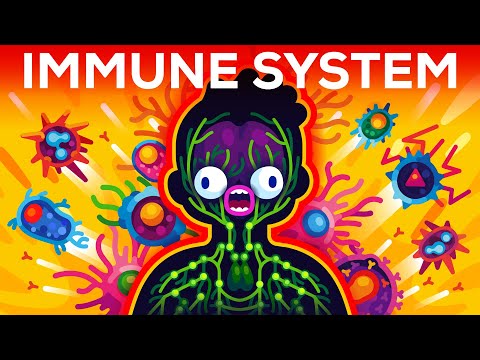
The Five-Hour Night That Leaves You Inflamed
The immune system is vast, layered, and memory bearing, as Kurzgesagt, Yale, Brachman, Krummel, and Bertozzi show. Patrick narrows the sleep question to modest loss, five hours or one to two hours short. Reviews describe sleep immune crosstalk, while a 2023 Cell study links prolonged deprivation to cytokine storm in mammals. Everson's 1997 chapter frames deprivation as an immune stressor. That distinction keeps architecture separate from dose.

The Caffeine Cutoff Is Only Half the Story
The dossier centers on a practical bedtime cutoff: stop eating three hours before sleep, as FoundMyFitness argues. Huberman and Snyder complicate the rule with glucose patterns and subphenotypes, while Asprey's 400 mg pre-bed claim and Newport's phone warning show how sleep advice splinters. The Japanese worker study and Gen Z references supply context, not proof.

Deep Sleep, Still Watching: The Witness Consciousness Question
The dossier sets Advaita Vedanta's witness against modern sleep protocols and internet uses of deep sleep. Swami Sarvapriyananda frames consciousness through Hindu philosophy; Andrew Huberman offers NSDR for mental and physical vigor; Acharya Prashant asks who observes the ego. The written record places Advaita within Vedanta and ISKCON within Gaudiya Vaishnavism, keeping institutional claims distinct.

The Light That Steals Your Sleep
The dossier follows melatonin as both a clock signal and a supplement, with Matt Walker opening on sleep and sex, Bryan Johnson describing jet lag and athlete preparation, and Thomas DeLauer flagging dependency worries. FoundMyFitness ties evening melatonin rise to sleep preparation, while Nick Norwitz points to new light and mitochondrial data; the written record treats light timing as a measurable lever.

The Sleep Switch That Will Not Stay On
Emmanuel Mignot traces narcolepsy to orexin, the wake peptide discovered through patients with unstable sleep-wake control. Lindsay Scola describes the overachiever misread as lazy, while Matthew Walker explains the flip-flopping switch. Pardi notes orphan populations and drug economics; Sakurai and Cell mouse studies anchor the biology. The voices converge on a chronic neurological disorder, with diagnosis and treatment still uneven.

Your Brain Takes Out the Trash While You Sleep
Matthew Walker and Andrew Huberman frame sleep as a clearance window for the brain, while Max Krummel cautions that fluid on imaging may reflect ordinary lymph movement rather than glymphatic flow. The literature defines the glymphatic pathway as CNS waste removal, and a 2025 Cell paper links norepinephrine-mediated slow vasomotion to clearance during sleep. The speakers agree on sleep's importance but differ on measurement and clinical certainty.

Naps Are Not a Cure-All: What Your Body Clock Is Really Saying
Across six recordings, napping appears indirectly, through circadian science, sleep and mental health meta-analyses, and clinical talk about aging and perimenopause. The dossier separates short planned naps from catch-up sleep, notes Lovato's cognitive findings, and keeps claims modest. Power-nap definitions and sleep-quality reviews supply the conservative frame. No speaker here prescribes a universal nap.

The 8:30 Fix: Why Teenagers Are Wired to Sleep Late
Wendy Troxel says the research on later start times is unequivocal. Michael Grandner notes one district pushed to 8:30 and few states followed. Against that policy lag, pediatric meta-analyses and crash data show measurable adolescent sleep and safety gains, while commentary turns to sleep hygiene and practical advice. The dossier keeps the gap between evidence and implementation in view.
Sleep Is Weirder Than You Think
The dossier tracks a practical contradiction: people want naps and better nights, but insomnia changes the math. Huberman offers cold water and timing tools; Walker links sleep to sex; office nap products promise recovery; PTSD and Roblox clips show extremes. Clinical studies on pregnant and community insomnia patients caution that daytime sleep can reduce nighttime sleep. The speakers disagree less about biology than about what a nap is for.

Your 4 P.M. Coffee Is Still Working at 10 P.M.
Tim Ferriss and Matthew Walker treat caffeine as a timing problem, not a moral one. Huberman and Bryan Johnson cite a roughly six-hour half-life; Walker adds a 20 percent deep-sleep penalty from evening coffee. The 1995 Brain Research trial supports night-time EEG effects after 200 mg, while adenosine research explains why sleep pressure returns.

Forget Bedtime: The One Alarm That Fixes Your Sleep
Sleep hygiene sounds like a checklist, but the speakers keep returning to one practical anchor: a consistent wake time. Doctor Alex calls it the point from which sleep medicine flows; 11Alive stresses consistency after clock changes; Grandner and Ethier place hygiene inside broader behavior. The literature links poor sleep to metabolic and cognitive risk while showing non-drug routines can help.

The Minimalist Shoe Bet: Why Stronger Feet Still Get Hurt
Rich Roll's cadet example warns that minimalist shoes can raise injury rates, while a Stanford clinician fields a pigeon-toed runner's risk question. Robert Reacts adds the human caution of already injured runners. The cadence literature links shorter stance time and higher cadence to biomechanical change, but prevention still turns on workload and individual tolerance. No single number settles the question. Shoe choice, anatomy, and training load complicate every recommendation.

The Hot Bath Sleep Trick: Why Warming Your Skin Cools Your Core
Patrick and Huberman describe deliberate heat as a way to raise core body temperature, while Galpin notes that a hot shower can paradoxically lower it and ease sleep. Axe and Breus tie sleep onset to the circadian temperature cycle. The external literature on circadian rhythm disorders and REM sleep frames the timing problems these claims leave unresolved.
Your Brain Works the Night Shift: The Strange Power of REM Sleep
REM sleep is not one phenomenon but several: rapid eye movements and low muscle tone, vivid dreams, memory replay, and, in disorders, intrusion into waking life. The acts move from Walker on sex and sleep to Mignot on narcolepsy and RBD, while lucid-dreaming claims need clinical restraint.

William Dement Named Your Sleep Debt. You Are Still Paying It.
The dossier follows William Dement through a clipped MIT lecture, a Stanford podcast correction, and a TopHealth remembrance that names him as American sleep medicine's central figure. Around those primary moments, radio and wellness hosts turn sleep debt, eight hours, food, and muscle strength into everyday health advice. The written histories from AASM and JCSM confirm that Dement's field was built institutionally, not only by aphorism.

Sleep Less, Live More? The Real Cost of Polyphasic Sleep
Polyphasic sleep is easy to sell as a productivity hack, yet the clips show a messier reality. Serena Chen hears praise for late work, Ginny measures 21 hours awake, and Dakota Johnson makes 14 hours of sleep viral. Stanford Health Care and Andrew Huberman cite household support and dysregulated schedules, while recent studies ask whether fragmented sleep reduces need or adds endocrine and cognitive costs.

The Coffee Nap: What Caffeine Really Does to Your Brain
The coffee nap is a scheduling question: caffeine plus a short sleep, timed around dose and sleep pressure. The supplied clips establish broad coffee health claims and one stray shortcut, but they do not test the pairing. External nap and sleep debt references supply the missing frame. Viewers should hear enthusiasm for coffee and then ask what was measured, when, and for whom.

The Night Shift Sleep Trap: Why Daytime Sleep Cannot Undo the Damage
Matthew Walker ties poor sleep to amyloid buildup and metabolic detritus, then argues that sleep at the wrong clock time yields lower quality. Andrew Huberman offers red light for shift workers; Rupy Aujla recommends exercise before a night shift. Clinical literature names shift work sleep disorder and tests recovery sleep, fatigue, and Yoga Nidra among night-shift nurses.
Night Shift Is Quietly Breaking Your Heart
Shift work sleep disorder is a circadian rhythm disorder marked by insomnia, excessive sleepiness, and longer-term cardiometabolic risk. Dr Rupy Aujla focuses on meal timing and light. Satchin Panda cites cardiovascular disease among firefighters. ZOE notes poor health around night work. The BMJ and biological rhythms literature support these warnings, while practical evidence for meal timing and supplements remains uneven.

Caffeine Doesn't Give You Energy: It Blocks Your Sleep Signal
Matt Walker and Andrew Huberman describe caffeine as an adenosine receptor blocker rather than a substitute for rest. Commentary clips translate that mechanism into sleep pressure and next morning timing. Landolt's sleep homeostasis work supplies the physiology, while Wan's caffeine nap study shows why the timing of caffeine and naps matters. The debate is practical: when to drink coffee, when to nap, and how to clear accumulated pressure.

眠りには時計が二つある。聞いているのは一つだけ。
この探究は二過程モデルを問い直す。提供されたクリップは、AIトレーニング、ソフトウェア設計、犯罪映像、睡眠コンピレーションなど、別の文脈で「プロセス」と「モデル」に繰り返し触れる。ボルベリーの研究が最も明快な一本の線を与える。睡眠圧と概日リズムの相互作用であり、双極性障害における臨床的帰結を伴う。話者たちは問いを解決しないため、説明責任は記録された文章が負う。
Alcohol Steals Your Dreams, Then Hands Them Back
The dossier separates alcohol's quick drowsiness from its slower cost: REM sleep is delayed, fragmented, and often rebounds after drinking stops. Matt Walker describes top-down control shutting down in REM, while Stanford clinicians contrast real sleep architecture with sedation. RBD accounts show dreaming can become physically coherent. Alcohol research confirms disruption and rebound, but the excerpts rarely connect drinking directly to these mechanisms.

One in Three Has It. Almost No One Knows: The Insulin Resistance Blind Spot
Ben Bikman says uric acid causes insulin resistance only when inflammation is present, making the pathway conditional rather than automatic. FoundMyFitness frames insulin resistance as a root cause of chronic disease, while 2016 and 2023 reviews trace uric acid effects through NLRP3 and insulin signaling. Facchini's 1991 JAMA data already linked impaired glucose uptake to higher plasma uric acid and lower urinary clearance.
Why You Wake Up Groggy, and Why Snooze Makes It Worse
Sleep inertia is a measurable transition state, not a moral failure of willpower. Huberman and Stanford clinicians describe grogginess, fragmented snooze sleep, and late-night waking; DeLauer and Bate separate ordinary post-waking fog from a persistent 3 a.m. alarm. The EEG-fMRI and industrial-health literature treats it as impaired performance that fades, while naps and timing change the cost.
The 8-Hour Myth: Why Sleep Regularity Predicts Mortality Better Than Duration
Two cohort analyses put sleep regularity ahead of sleep duration for mortality prediction. Dan Pardi, Vinay Prasad, and Andrew Huberman frame that finding as physiology, study design, and clinical habit, while a 2024 Sleep paper and UK Biobank work supply the quantitative spine. The dossier keeps their verbatim claims visible, distinguishes measured risk from settled causal advice, and leaves the causal question open.

Your Bed Shouldn't Scare You: The Insomnia Cure That Beats Ambien
Ashley Mason describes reducing bed dread through stimulus control. Matthew Walker says sleep restriction, not pills, should anchor first-line insomnia care, while Physionic's trial commentary shows CBT conditions improving outcomes and waitlist controls barely moving. The Lancet review and CBT-I frameworks support this behavioral structure, but bad therapy and complicated PTSD sleep cases remain real limits. Session-by-session guidance matters.

The Caffeine Illusion: Why Coffee Only Hides Tiredness
The dossier follows caffeine through adenosine receptors and the body's daily clock: caffeine parks in those receptors, yet adenosine remains and sleepiness keeps building. Coaches argue over cortisol timing and delayed coffee, while sleep researchers track the cost to recovery. The literature on coffee and adenosine supports a practical focus on dose, timing, and the sleep cost that follows, without vague hormone rules.

The Melatonin Label Is Not a Promise
Freakonomics Radio notes that the FDA regulates what a manufacturer can write on a supplement label. Stanford Health Care defines upper limits and warns that above them nothing can be guaranteed. Read against melatonin's role as a hormone and reports of drug interactions, those statements frame a narrower question: what does label accuracy actually cover?

いつも疲れている?その甲状腺検査、実は嘘をついているかもしれない
Doctor Mikeは、疲労に対する甲状腺検査は過剰オーダーされすぎだと断言する。一方、Michael Greger医師は甲状腺の疑問をウェビナーで取り上げるほど日常的なテーマと見なす。Leonid Kimは、B12が正常でも症状を見逃すことがあると警告し、スタンフォードのME/CFS症例は、単純な検査結果なしに疲労が深刻な障害になり得ることを示す。文献はさらに、甲状腺機能低下症、セリアック病の検査、高カルシウム血症、ビオチン干渉を挙げ、検査は選択的に行い、慎重に解釈すべき理由を補強する。

Melatonin Isn't a Sleeping Pill: Why Timing Beats Dosage
Panda frames melatonin inside circadian timing; Johnson’s trial summary links melatonin and exercise timing; Walker notes one study suggesting a sleep generating benefit beyond timing. The dossier treats dosage and clock time as separate variables, and it flags DLB, IVF, and neuroprotection references as context rather than proof. The key correction is to ask when, how much, and under what light conditions.
Your Body Has a 24-Hour Clock. Light Controls It.
Satchin Panda's opening places circadian timing inside practical routines: exercise, melatonin, and peak cognition. UCTV supplies the long horizon of a hundredth healthy year, while TopHealth, Anadi Martel, Thomas DeLauer, and Roger Seheult describe light as the daily signal that sets the clock. The PNAS eReader study and Nature's review of mammalian timing turn those claims into testable questions about screens, bulbs, and bedtime.

The Perfect Sleep Score Is Keeping You Awake
BBC reporting gives the condition a name: orthosomnia, where tracker data outranks lived experience. Tim Ferriss opens with kava and supplements, Tamsen Fadal asks Dr. Chris Winter how sleep works when life interferes, and a hormone discussion drifts into FSH and egg maturation. The written record links wrist trackers, insomnia, and a new scale for measuring the problem.

The Winter Without Time: Life When Your Circadian Clock Goes Dark
Tim Ferriss calls the absence of a circadian rhythm in Antarctica 'super strange.' TopHealth and Jyothi Rao explain why the 24-hour clock matters for sleep, performance, and health. Winter-over studies at Zhongshan Station and a 2022 Journal of Pineal Research paper show measurable phase, sleep, and psychological changes across polar winter. UCTV's hundredth healthy year and the Belgica's frozen wait frame the stakes from longevity to survival.

Tesla's Two-Hour Sleep Myth: Genius or Slow Collapse?
Vanessa Hill and Matt Walker trace the Uberman schedule to Tesla lore and nap routines, while Russell Foster describes older segmented sleep. Stampi's encyclopedia entry and Rosenblum's SLEEP review separate historical polyphasic patterns from extreme nap restriction. The speakers' warnings about apnea, dementia risk, and long-term health sharpen the central question: adaptation claims versus documented sleep loss.

Why Weekend Catch-Up Sleep Can't Repay Your Debt
Weekend sleep debt recovery sounds simple: bank extra hours on Saturday and Sunday. Matthew Walker says memory consolidation is all or nothing on the first night, while CP24 ties clock changes to spending and recovery habits. New metabolomics work and sleep-breathing reviews show catch-up sleep offers short-term relief but carries long-term risks.

The Cooking Fat That Raises Your ApoB
The clips converge on a simple claim: lowering ApoB and LDL matters, whether through cooking choices or affordable statins. They diverge on prevention, cost, and whether scans arrive too late. Evidence on HDL, reverse cholesterol transport, and lifestyle medicine adds context without settling the practical argument over daily steps. The speakers' verbatim language keeps attention on what patients can do now.