Curated Sub-Topic Tag
#文章術・物語論
Verified primary-voice documentaries on 文章術・物語論, or enter a sharper question below to cut a new film live from 200M+ spoken records.

書くための助言が通じないとき、何が残るか
キングの『書くことについて』は技法の助言を個人的なものにする。回想録、ルール、推敲。朗読された抜粋は、助言が使われる場面と論争になる場面を示す。アン・ラモットは新作を二本書いたと報告し、IELTSの講師は話し言葉と書き言葉を分ける。ゲイル・キングはセラピストではないと断り、アンソニー・グラムリアは浅薄な表象を批判する。合わせて彼らは問う。どの執筆ルールが実践との接触に耐えるのか、そして誰がそれを強制できるのか。

アウトラインが先、女神は後から
パターソンはアウトラインを速度のための足場と見なす。一方、超現実数の回想録は、初稿が止まる瞬間を身体的な事実として記録する。楔形文字とドラフト当日の映像は、「ドラフト」という言葉を選抜、試作、最古の文字へと広げる。本ドシエは準備とパニックを切り分け、速い初稿を実際に可能にするものは何かを問う。

Churchill's Speeches: Anaphora, Parliament, and Wartime Persuasion
The dossier starts with History Hit's historian on Churchill and the RAF, then widens to auditory scene analysis, sermon rhetoric, and line-by-line speech criticism. Anaphora and Hart's study of Churchill's words supply the written frame. The spoken excerpts disagree on method but agree that delivery, repetition, and context decide whether rhetoric persuades.

Dario Amodei's Two-Year Warning: AGI Is Closer Than You Think
The dossier tracks Dario Amodei across enterprise fireside chat, UN briefing, Bloomberg interview, and Davos reaction. It contrasts his faith in deploying capable models with critics who call his timelines delusional and with Anthropic's 5% public-good pledge. Written references on existential risk, Brautigan's poetry, South Park, and Sam Altman's awkward summit moment frame the stakes without resolving them.
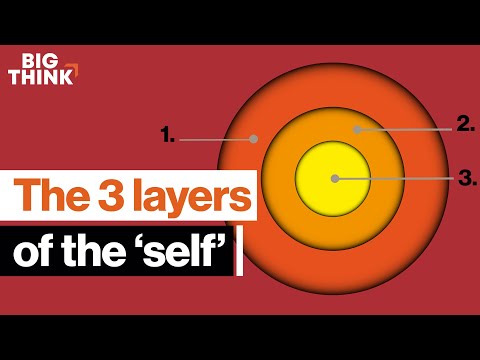
The Self Is a Story You Were Taught to Tell
Narrative identity theory says people build a self by integrating experience into an evolving internal story. The speakers test that claim from different angles: Sam Harris roots the ego in early fear, Nadeen asks how much of a life was chosen, Tim Fletcher traces shame to unmet needs, and a mistaken ICE detention shows how official labels can override a person's own account.

The Union That Took 150 Years, and the Printer Who Saw It Coming
Franklin's career joins literary imitation to civic organizing: he copied prose models, founded the Junto in 1727, and used printing and postal work to circulate information. Richard Kreitner notes that colonial union took a century and a half, while popular retellings reduce Franklin to saving tips or a Parkway namesake. The dossier follows those scales, from apprentice prose to public violence and back.

Whose Voice Is It Anyway?
The speakers treat voice as a learnable practice rather than a fixed gift. Gilbert discusses boundaries and newsletters, Adam drills passive constructions, Verba defines head voice, Tech Girl compares AI assistants, Mark warns that confidence is not volume, and Nichols links purpose to authenticity. Peer-reviewed work by Dingemanse and the 2015 writing study frames voice as deliberate craft, not ambient self-expression.

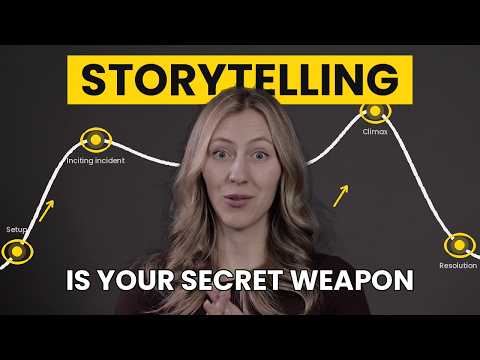
Six Stories, One Hidden Script: Why Everything Is a Three-Act Play
The dossier treats three-act structure as a working model, not a rule, and tests it against six spoken excerpts. One podcast states the template openly, while historical, wildlife, and news-adjacent clips show acts as edited selections: alliances fail, a patrol lands, cubs face cold. Syd Field's Setup, Confrontation, Resolution gives vocabulary, but the excerpts expose how much material sits outside the cut.

Rapport Can't Be Hacked: The Quiet Power of Thousands of Strangers
The acts frame documentary interviewing as a craft of context and trust, not a formula. A Pixar director's long tenure, a Roman hospital's material detail, and Taylor Rooks's account of athletes trusting her show preparation and attention at work. Interview guides and videojournalism references agree on preparation, and Brandon Stanton sharpens the tension: technique can organize a conversation, but rapport must be earned.

The Strongest Magic Is Made of Words: Ursula K. Le Guin's Earthsea
Le Guin's own account is specific: Earthsea gave her a working parallel between wizards and artists. Around that primary voice, the dossier gathers claims from Mark Manson and writing instructors about craft, practice, and joy. The written reference fixes the career facts, while the spoken excerpts show how a speculative fiction writer turns invented systems into durable craft lessons.

The Voice That Held Britain: Churchill's Wartime Speeches
The dossier treats Churchill's wartime oratory as a persuasive instrument rather than a natural monument. Speakers circle his famous lines, his concentrated 1940 output, and the long historical frame Andrew Roberts stresses; academic work on propaganda, context, and dysphemism explains how words can alarm and unite. The real disagreement is whether repetition and moral clarity amount to strategy or fortunate timing.

Why You Say Yes Before You Think: The Quiet Spell of Persuasion
Jonah Berger turns persuasion into a question of wording: hard worker versus hardworking, be a leader versus lead more. Commentary acts connect that craft to narrative transportation, where stories absorb attention and feeling. Green and Brock, Jin Yan, and Appel give the research frame: immersion can shift beliefs, though the evidence also marks limits.

The Voice That Watches: Joan Didion and the Reporting Self
Didion's voice works as method: close observation, reserved syntax, documentary patience. Slouching Towards Bethlehem turns California scenes into evidence, while her New Journalism peers place her in a wider experiment with scene and perspective. The clips circle that problem unevenly, from grammar lessons and show-business greetings to Rosanne Cash being asked directly about writing voice. That mismatch is the dossier's subject.
存在感はカリスマではない:影響力はどう築かれるのか
これらの抜粋は、取締役会での影響力を物語と立ち居振る舞いの技術として扱う。フランチェスカ・サイコロジーと「眠りながら賢くなる」は存在感に基づく説得を描き、マクスウェル・リーダーシップとアライズ・ニュースは評判と持続する影響力を強調する。ジェイコブ・ウォーウィックは交渉をリーダーシップの存在感に結びつける。エグゼクティブ・プレゼンスと経営チームの争いに関する学術研究はその重要性を裏づけ、アリアナ・ハフィントンと『ダークナイト』は公の物語が本人を追い越しうることを示す。

Why Facts Don't Win Arguments: Aristotle's Persuasion Playbook
Aristotle's Rhetoric still explains why speakers win attention through character, emotion, and argument. Francesca Psychology shows how outlandish narratives seize control, while The School of Life calls audience influence by non-logical factors maddening. Philosophies for Life and The People Profiles frame Rhetoric as enduring craft, and Sobczak's study of Zelensky plus legal-rhetoric scholarship confirm ethos and pathos as working tools, not decorations.

ノーラン映画の魔法をAIはまだコピーできない
この資料は、コルベールが語る歴史と雰囲気、チャンドラーが指摘するノーランの物語術の特徴、ファウンダーズが伝える予測不能な機会、ロボバースによる大ヒット作への賛辞を集めている。ノーランと時間に関する学術研究が枠組みを与える。つまり、彼の編集は時系列をドラマの素材に変えるのだ。エマ・トーマスのプロデューサーとしてのパートナーシップと、複雑な物語を語るノーランの評判が、これらの主張を制作の事実に根付かせている。

Writers Fear Your Verdict
The speakers treat audience fear as a practical publishing problem and as a convenient explanation. A Cambridge VR test locates fear in a familiar face; Master Samwise blames modern viewers; Gramuglia and Kennie J.D. show audiences sorted by gender and ideology. The cited writing guides return the question to intended readers, making the writer's projection visible.

You Can't Schedule Attention
Only one spoken excerpt names Annie Dillard directly: David Perell calls her a favorite writer. The rest record routines built around congestion, exams, weekend organization, and self-belief. Against The Writing Life and Pilgrim at Tinker Creek, these clips show routine as scaffold and interruption rather than a recipe. The dossier keeps Dillard's written discipline beside ordinary people describing the days they actually have.
Write the Script Before Reality Interrupts
Documentary voiceover tone begins as a production decision, not a postproduction polish. Luc Forsyth treats the script as a shooting guide; Hiam Abbass and Boyd Holbrook describe carrying its tone into performance; Battle Guide credits research and production support. Hullfish and Alburger frame narration as an analyzed, repeatable craft. The speakers show that tone is negotiated across writing, research, performance, and the credits that sustain production.

火曜日はヒーローズ・ジャーニー
SpeakUp Sessionsは一日を三幕に当てはめ、Film Courageは幕の数に決まりはないと疑い、The Media Knightsは第二幕と第三幕を感覚で判断する。シド・フィールドの『スクリーンプレイ』はセットアップ、対立、解決を体系化し、マイケル・タブと2015年の索引付きガイドがそのモデルを拡張する。この資料は、テンプレートがどこで技を明確にし、どこで緩いラベルになるのかを問う。

The Script Isn't Written, It's Found
Across five excerpts, narration emerges as both constructed script and discovered material. Ray Roman asks how to structure a documentary script; Steven Knight says the work is finding what touches people; HasanAbi describes a CNN crew writing a documentary around him. Howard Carter's biography shows narration managing unknown childhood years, while Rosenthal's production notes and a 2013 guide supply method.

Why Tarantino Dialogue Sticks in Your Head
The dossier separates Tarantino's dialogue from the imitations that borrow only surface tics. Speakers argue over stolen style, simple versus fancy writing, and whether another director's dialogue resembles his at all. Reference works define Tarantinoesque films by violence, nonlinear structure, and film history, while dialogue scholarship reminds us that voice is built line by line. The tension is influence versus execution.