太陽光とカメラの限界
ダニー・ゲヴィルツはスタイルの選択ではなく、露出の問題から切り出す。強い日差しはカメラのダイナミックレンジを超え、画面内の太陽は白飛びを引き起こす。一方ダン・ワトソンは機材に目を向け、それを大好きな話題だと呼ぶ。Great LearningのAIプロンプトは「シネマティックライティング」をルックとして挙げるが、ゲヴィルツが語るセンサーの限界には触れていない。両者を並べると、職人的な制約とスタイルの略記法の間に亀裂があることがわかる。
The Sun Always Wins: What Filmmakers Learn When Light Fights Back
白飛びから寝室インタビュー、AIロボットまで。六人のクリエイターが機材・空間・光の限界に挑む。

ACT I · Danny Gevirtz · 5m 49s
太陽はハイライトを飛ばす
カメラが何であれ追いつけない
it doesn't matter what your camera is it's not going to be able to keep up
ダニー・ゲヴィルツは、強い日差しと白飛びがカメラのダイナミックレンジを超えると警告する。
30-Second Quick Reference · Verified Takeaways
6 幕 · 4 件の文献 · Last Verified Nov 21, 2026“ダニー・ゲヴィルツはまず厳しい現実を突きつける。強い日差しはどんなカメラのダイナミックレンジも軽々と超えてしまうのだ。”
結論サマリー
ダニー・ゲヴィルツはカメラの限界、つまり強い日差しと白飛びから話を始める。ルーク・フォーサイスは狭い部屋でのインタビュー照明を計画し、ハロルド・スキナーは光を物語として捉え、ダン・ワトソンは機材への情熱を隠さない。ロバート・ホリングワースの『ナイトメアズ・オブ・ネイチャー』での仕事や、ネオン・VR照明・リライティングエンジンに関する文献は、この分野の幅広さを示している。実践的なコントロール、技術研究、そして物語の意図だ。
ダニー・ゲヴィルツはスタイルの選択ではなく、露出の問題から切り出す。強い日差しはカメラのダイナミックレンジを超え、画面内の太陽は白飛びを引き起こす。一方ダン・ワトソンは機材に目を向け、それを大好きな話題だと呼ぶ。Great LearningのAIプロンプトは「シネマティックライティング」をルックとして挙げるが、ゲヴィルツが語るセンサーの限界には触れていない。両者を並べると、職人的な制約とスタイルの略記法の間に亀裂があることがわかる。
ルーク・フォーサイスの公表された任務は、多くのインタビューを含む全6回のドキュメンタリーだ。だから照明はスケジュールを狂わせずに狭い空間で機能しなければならない。ロバート・ホリングワースは完成したシリーズ『ナイトメアズ・オブ・ネイチャー』の現場から語り、そこでは照明がNetflixドキュメンタリーの視覚世界を支えている。VR照明やリライティングエンジンに関する文献も同じ要求を示している。現場でもレンダラーの中でも、制御可能で再現性のある光が必要なのだ。
ハロルド・スキナーのギャファーによる解説は物語を最優先する。光は商品リストではなく、物語の道具なのだ。ダン・ワトソンの機材コーナーは逆の引力を見せる。カメラ、オーディオ、ジンバル、照明がそれ自体で主題になる。Great LearningのAIプロンプトは、その言葉をスタイル指定の中の「シネマティックライティング」に還元してしまう。ネオンの参考文献やMCU制作に関する文章は、認識される光がしばしば特定のハードウェアとデザインの歴史に依存していることを思い出させる。
関連テーマをさらに深掘り
Complete Timestamped Bilingual Transcript
Want sentence-level movie clips, connected-speech breakdowns, or daily spoken English drills instead of long-form interviews? Our sister tool WinkLingo is purpose-built for that workflow.
Key Questions & Reference Guide
ダニー・ゲヴィルツはカメラの限界、つまり強い日差しと白飛びから話を始める。ルーク・フォーサイスは狭い部屋でのインタビュー照明を計画し、ハロルド・スキナーは光を物語として捉え、ダン・ワトソンは機材への情熱を隠さない。ロバート・ホリングワースの『ナイトメアズ・オブ・ネイチャー』での仕事や、ネオン・VR照明・リライティングエンジンに関する文献は、この分野の幅広さを示している。実践的なコントロール、技術研究、そして物語の意図だ。 Key insights include: ダニー・ゲヴィルツ曰く、どんなカメラも強い日差しには太刀打ちできず、画面内の太陽は白飛びとダイナミックレンジの損失を招く。 ルーク・フォーサイスは多くのインタビューを含む全6回のドキュメンタリーシリーズで撮影監督を務める準備をしており、狭い空間での照明は美学の問題になる前に制作上の課題となる。
This screening stitches 6 continuous acts featuring voices from Danny Gevirtz, Dan Watson, Luc Forsyth, Aputure, Indy Mogul. Every act separates primary voices from commentary and links directly to the original timestamp.
Convergence: ダニー・ゲヴィルツとリライティングの論文は、照明のコントロールを具体的な限界を伴う技術的問題として扱っている。 Open tension: ダン・ワトソンの機材への情熱は、ハロルド・スキナーの物語優先の照明観と競合する。
Yes. Open the Interactive Transcript tab to click any sentence and jump directly to that exact second in the video, export Obsidian/Notion reading notes, and verify 4 cross-referenced scholarly or encyclopedic citations including "Features of the Marvel Cinematic Universe".

キングの『書くことについて』は技法の助言を個人的なものにする。回想録、ルール、推敲。朗読された抜粋は、助言が使われる場面と論争になる場面を示す。アン・ラモットは新作を二本書いたと報告し、IELTSの講師は話し言葉と書き言葉を分ける。ゲイル・キングはセラピストではないと断り、アンソニー・グラムリアは浅薄な表象を批判する。合わせて彼らは問う。どの執筆ルールが実践との接触に耐えるのか、そして誰がそれを強制できるのか。

パターソンはアウトラインを速度のための足場と見なす。一方、超現実数の回想録は、初稿が止まる瞬間を身体的な事実として記録する。楔形文字とドラフト当日の映像は、「ドラフト」という言葉を選抜、試作、最古の文字へと広げる。本ドシエは準備とパニックを切り分け、速い初稿を実際に可能にするものは何かを問う。

MIT's lecture begins with lightness, then color. Beau Lotto says every behavior reduces uncertainty. Matisse's 1896 table and 1905 window show color shifting with context. Crash Course traces shared motifs across cultures, while Ed Cooke names the phenomenology of shade. Written references confirm color is relational, produced by cone activation, and synesthesia cross-wires senses. Together they argue perception is active, embodied, and historical, not a simple readout of matter.

Keith Potter's Oxford Music Online entries give minimalism a scholarly frame, but the recorded speakers rarely use the word. They talk instead about green building certification, photographing models, N-tier naming, and TikTok system design. The dossier holds those concrete claims beside the written reference, letting the gap between aesthetic minimalism and architectural constraint stay visible.

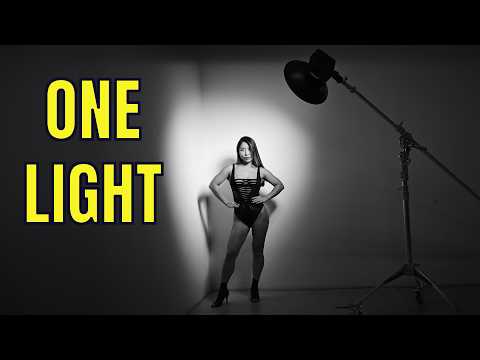
Matt Granger tests a new flash through single light portraits. Hany Farid and Joel Simon explain why direction and exposure knowledge matter more than automatic settings. Luc Forsyth weighs compact interview key lights and cheap fixtures, while Five By Nine warns that concentrating all illumination from one source reshapes the room. The written references confirm that key light choice is both technical and compositional.

Campbell's monomyth supplies a durable map, but these excerpts show that map under pressure. A TED-Ed myth, a FIFA match, a Stranger Things audition, Steven Pressfield's artist's journey, brand advice, and villain theory disagree about who owns the story. The written record confirms Campbell's influence while leaving open whether one template can hold every hero, and that tension drives the dossier.