Curated Topic Hub
138 public documentariesPsychology & Mind
Anxiety, dopamine, attachment, communication & emotional resilience

You Don't Need More Willpower: The 2-Minute Rule That Rewires Your Identity
These interviews show James Clear working from mechanics to meaning. Tim Ferriss asks about annual reviews, the Knowledge Project isolates the two-minute rule, and ZOE stresses obvious cues. Commentary clips add reward cautions and a brain myth. Identity formation research supports Clear's broader claim that repeated actions become self-definition, though the fragments also reveal how easily complex habit advice turns into slogans.

You Think You're Over It. Your Body Disagrees.
Van der Kolk's central claim is practical: if conventional trauma care does not work well, clinicians should test other methods. His book carries the argument into popular and clinical conversation, where Paul Conti recommends it and practitioners cite it to explain stress that persists without an obvious cause. The written record places that claim in decades of PTSD research, not a single breakthrough.

Grit Isn't Enough: Why Your Surroundings Decide Your Success
Angela Duckworth's grit research pairs perseverance with passion for long-term goals, but these excerpts keep returning to situation. A Finding Mastery clip notes a post-2010 happiness shift; Matt Abrahams says changing the situation can beat persevering; Duckworth points to Philadelphia's running clubs and calls virtue and success situational. Her book and the psychological definition agree that grit is real, while the speakers question when resolve becomes a trap.

Willpower Isn't a Muscle: The Tiny Habits and Private Excuses That Decide If You Cave
Sylvia Tara presents self-control as trainable through small behavioral drills. Mike and Matty trace self-sabotage to beliefs formed inside a personal bubble. Mark Manson calls self-control an illusion, while Kentaro Fujita asks people to examine purpose and context. The written record adds locus of control, ego depletion, and habit research, leaving a practical question: which beliefs and routines actually change conduct?

The Scars Before Words: How Childhood Trauma Rewires the Brain
The dossier follows a single thread from narrative to biology: Big Think shows children building explanatory stories early, while ACE data and Sergiu Pașca's lab work show how adversity and developmental biology can compound. Ed O'Brien and Paul Conti supply the clinical and human stakes: depression, bodily illness, and the slow work of compassionate curiosity. The evidence does not settle treatment, but it clarifies why early experience matters.

The Focus Premium: Why Deep Work Is the Rarest Advantage
Newport treats deep work as a trainable practice, then tests it against office habits that reward visible activity. A peer reviewed review and a timeblocking definition ground his attention-management claims in written evidence, while collaborators note how self-help and social media reshape the conversation. The speakers disagree less about focus than about how to make it durable.

Why We Cheat, and Why We Never Say What We Want
In these recordings Esther Perel reframes affairs as a crisis many people face, asking what couples can learn rather than only what must be condemned. Her clinical writing, including The State of Affairs, gives the conversation a documented spine. The excerpts also show her attention to language, criticism, and the commercial metaphors that can flatten marriage.

The Nice Person's Trap: Why Saying Yes Feels Safer Than No
Veronika Mark names the isolation people pleasers feel. The School of Life notes how slowly we learn what happiness requires. Baron Ryan tells a therapist he avoids his father's advice because he fears being wrong. The fallacy list gives a clinical frame: the habit confuses approval with safety, and guilt fills the gap where boundaries should be.

The Circle or the Enemy: Why Identity Politics Keeps Splitting Us
Jonathan Haidt frames identity politics as either a wider-circle appeal to equal dignity or a narrower contest for group advantage. Glenn Loury and Clarence Thomas press the case against race-conscious admissions, while Matt Yglesias and Sam Harris ask how the left can course correct. Haidt's Righteous Mind and Moral Foundations research supply the vocabulary: moral intuitions vary, and institutions translate competing intuitions into law.

We Are Wired for Monogamy and Adultery
Perel's clips move from monogamy and adultery to criticism, embodiment, and relational repair. The written record, including Dialogue: imagining desire and Erotic fantasy reconsidered, treats desire as a live problem of fantasy and body rather than a settled rule. Distance and security appear as competing needs: people ask for closeness while protecting the space that keeps wanting alive.

Your Phone Is a Dopamine Slot Machine
Across six excerpts, Lembke and Huberman describe dopamine as a basic learning and motivation chemical; Kotler and Brooks trace how on-demand media and phones can pull attention into compulsive loops. Raza proposes curiosity as a practical exit, while Yousef challenges screen-time myths. Peer-reviewed work on behavioral and mobile phone addiction supports treating these habits as real, measurable patterns rather than private failures.

The Sleep You Skip Is the Memory You Lose
The dossier follows one practical question: when does sleep turn practice into durable memory? Huberman warns that missed sleep washes out learning; Walker probes deprivation after initial acquisition; Pardi and the literature frame consolidation as stabilization, not passive rest. The commentary on chunking and attention marks a boundary: sleep supports memory, but it does not replace noticing and focus.

Introverted, Not Broken: The Label That Changes How People See You
The dossier separates social anxiety disorder from introversion, then tests the difference against practical advice about attention, trust, and self-questioning. Janowsky's 2000 clinical sample found introversion over represented among social phobia patients, but the speakers show why a trait and a disorder should not be merged. Their voices also expose a policy edge: anxiety language can travel from therapy into policing.

Your Brain Has a RAM Limit
Cognitive load is the effort working memory spends holding and manipulating information, and the literature treats its capacity as limited. An MIT lecture shows that limit in plain terms; software engineers describe the cost in delays, risk, and recovery. Computer memory offers a vivid contrast in scale, while the human asides keep the subject from becoming only a diagram.

The Trauma That Words Can't Reach: How Childhood ACEs Rewire the Brain
Maya Panchal says ACEs persist into anxiety, depression, substance abuse, and academic struggle. Dartmouth's front-line panel adds academic pressure, loneliness, bullying, stigma, and trauma. Rob Ager, TopHealth, and HealthyGamerGG widen the frame to mental health work, violence, and complex psychology, while the literature formalizes ACE categories and adult health prediction. The result is a short dossier on risk, care, and prediction.

You Got the Promotion. So Why Do You Feel Like a Fraud?
The speakers treat imposter feelings as an occupational weather system: strivers want a bite of life, product people swim in opinions, and a newly promoted developer audits every meeting. Uslu and Addison frame the experience through psychology and institutional learning. Practical tips arrive after fear has been named, which keeps the remedy tethered to lived experience at work.

The Dopamine Detox Backfire: Why Pleasure Is Not Motivation
Tim Ferriss's month without caffeine opens a practical question: what changes when quick rewards disappear? Andrew Huberman and Read Montague locate motivation in effort and expectation, while detox videos sell a reset. Digital detox research and clinical withdrawal studies show breaks can help, but they do not guarantee a clean dopamine repair, and the evidence remains narrower than the promise. That gap matters for viewers.

The Divorce Predictor You Ignore: Contempt in Plain Sight
Gottman's divorce prediction work turns marital conflict into observable patterns: criticism, contempt, defensiveness, stonewalling, and the balance of positive to negative exchanges. The clips here range from child-first arguments and divorce-lawyer realism to medieval trial by combat, yet they keep returning to the same pressure point: self-interest versus long-term commitment. The written record supplies the empirical frame.

You Are Not Trapped in Your Brain
Lisa Feldman Barrett frames trauma as a prediction problem that can be interrupted, not a permanent sentence. The surrounding clips widen the frame: memory loss can begin in the late twenties, attention is pulled by scrolling, and brain injury complicates storage and retrieval. Academic references on trauma and memory confirm the stakes without resolving how much change is possible.

The Truth Disappears When Everyone Is Afraid to Speak
The dossier follows three primary voices: Scott Atlas on public health dissent, Rich Roll on postoperative starting over, and Saket Soni on disaster workers. Commentary from Harvey survivors, a wrestling clip dispute, and Vermont flood housing debates broadens the frame. Written references on religious trauma syndrome and trauma-informed teaching show that betrayal rarely ends with apology; trust returns through repeated, observable action.

Trust Is Built in Inches, Not Grand Gestures
The dossier tests a plain claim: trust grows when small commitments are made visible and kept. Tim Ferriss points to costly candor; Fareed Mosavat insists on real products, customers, and data. Around them, a language lesson, a hackathon welcome, an agentic commerce demo, and an intimacy clip show how promises become credible only when someone bears a cost or risk.

Who Gets to Be Us? The Prejudice Puzzle
Kagan separates metaphysical identity from group labels, while Tajfel and Turner show that self-concept partly comes from group membership. The dossier tracks where personal continuity and social identity meet, then how perceived threat can turn belonging into prejudice. The speakers disagree about focus, not about the stakes: identity is both private and public, and prejudice exploits the seam.

Your Ex, Your Feed, and the Scoreboard in Your Head
The dossier follows six speakers through social media bans, public quitting, childhood reassurance, and Kahneman's remembering self. Their words show breakup stalking as a habit built from ordinary platforms: a search for proof, status, or relief. The evidence does not settle whether bans or exits help; it clarifies the loop of checking, comparing, and rehearsing a lost relationship.

The Sentence That Saves a Hard Conversation
Alisa Cohn starts with the promotion review sentence. Esther Perel and Tim Ferriss examine openings and repeated fights. Eric Weinstein points to unmapped conversational paths; a boundaries expert tells a blunt personal story; Katherine May borrows water for fluidity. Minei's 2024 work indexes difficult conversations and colleagues, boundary advice dates to the mid-1980s, and emotional dumping gained a name in the 2020s.

The Meaningful Work Trap: Why Saving the World Can Burn You Out
Meaningful work draws people toward nonprofits, yet the same mission can consume them. Jenny Santi hears weekly requests from would-be nonprofit workers; a former lawyer documents quitting; Cal Newport rebuilds summer around deep work. Compassion fatigue research and happiness at work studies show mission alone does not protect workers. Recovery requires structure, limits, and honest measurement.

Your Phone Is Stealing Flow: How to Take It Back
Arthur Brooks ties phone habits to dopamine and learning, while Sahar Yousef tests screen-time claims with recorded evidence. Creators show digital minimalism, vlog boundaries, and regret, and the literature names doomscrolling and problematic smartphone use. Peer-reviewed work adds context on dependence and whether the phone is the addiction or the channel. The dossier keeps the speakers' words central and asks which fixes change behavior rather than only measuring it.
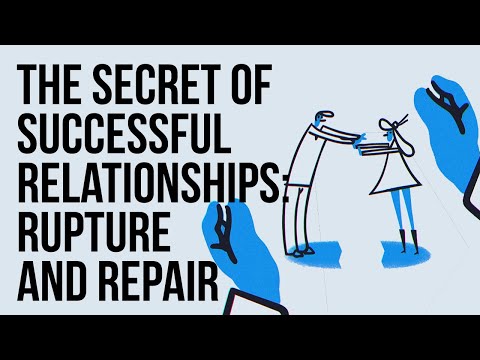
Every Parent Breaks Trust. Then What?
The School of Life frames relational trouble as rupture and repair, a psychotherapy commonplace. Dartmouth’s Holly Gaspar names secure attachment as the child’s primary need: safety, nurture, care. Winnicott’s developmental work and the Internal Family Systems model add context: early care and non-pathologizing self-understanding shape repair. The dossier keeps these claims close to the speakers’ own words and separates clinical principle from platform commentary.

Lonely, Not Broken: The Social Skills We Were Never Taught
Dartmouth panelists treat loneliness as a practical attention problem. The School of Life and Vickita Trivedi describe social skill as learned, visible, and often misjudged. Johann Hari ties connection to survival and cooperation. Peer reviewed work on loneliness, peer judgments, and social skills training suggests the stake is access: who can join, who gets read fairly, and what training can actually change.

Your Vagus Nerve Is Not a Miracle Switch
The acts share a useful split: public enthusiasm for the vagus nerve has outrun careful language. Tim Ferriss flags charlatans, anatomy and neurosurgery voices explain why the nerve attracts attention, and physiology papers keep breathing, inflammation, and development in view. That tension runs through all six excerpts; viewers should listen for mechanisms, controls, and specific outcomes. Not every vagal claim deserves equal weight.

The Step Is Too Big: Why Warnings Don't Change Us
Fear appeal is a familiar strategy for motivating action, yet the spoken material keeps returning to support, timing, and belief. Nichol Bradford cites distance from loved ones and limits of imagination; Lori Gottlieb and Andrew Huberman ask about subtle changes; Alan Cowden works on parenting without yelling. Tom Scott urges skepticism about language claims, Astghik Atanyan describes not perceiving a chronic diagnosis, and behavior change methods are framed as theory-based techniques.

Why You Feel Behind: The Hidden Cost of Waiting to Be Perfect
Perfectionism often looks like high standards, but the clips show it working as avoidance, negotiation, and identity protection. Jon Youshaei uses Mozart's output to challenge the myth that quality requires endless delay; Huberman's guests track how self-worth gets fused to achievement; Tristan Harris describes platforms that reward comparison. Psychology research links perfectionism, self-esteem, and procrastination, while replication work tests whether self-efficacy mediates the damage.

Carl Jung on the Shadow Self & Psychology
The Stranger in the Mirror: Jung's Shadow Is Running Your Life
Jung's shadow is the unconscious repository of traits we have pushed out of awareness, often the very qualities we condemn in others. The spoken excerpts trace a movement from external validation to inner confrontation: a man who likes recognition, a person waking to their own lack of control, the discomfort of admitting what we hide. Jung's analytical psychology frames this as a lifelong negotiation between conscious and unconscious, where self-belief and shadow work are not opposites but two sides of the same individuation.

Why the Closer You Get, the Faster They Run: The Anxious-Avoidant Trap
The School of Life frames anxious-avoidant love as a common arrangement rather than a rare mismatch. Across the acts, therapists describe pursuit, withdrawal, and suspense as learned patterns; attachment research tracks how these blueprints shape adult relationship satisfaction. The written record adds breadcrumbing and attachment categories, while the cycle itself remains a practical problem of predictable signals and unmet needs.

Nothing Happened: The Childhood Wound You Can't Point To
The Still Face Experiment shows infants reading faces for emotional cues; Kati Morton locates neglect in the ordinary question 'What do I want?' Anna Runkle describes trauma as disconnection and avoidance. Alexithymia names difficulty processing or describing emotion, and indexed studies link childhood emotional neglect to emotional eating through alexithymia and distress. The dossier keeps those claims beside clinical definitions and peer-reviewed findings.
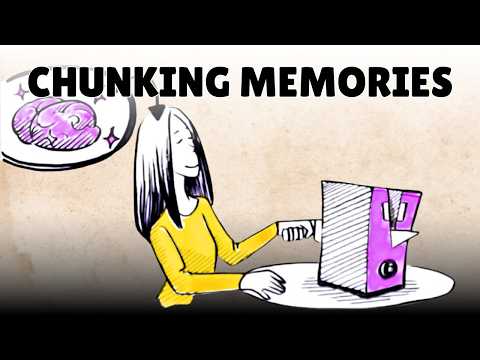
The Chess Memory Illusion: Why Experts Don't Remember More
The dossier follows a simple claim across venues: memory improves when information is cut into meaningful pieces. A memory coach teaches Scripture, Ellen watches cards named before they turn, Jim Kwik and Max Lugavere frame brain care, and Numberphile admits chess expertise is not general. Gobet's chess research supplies the test case: experts hold more than isolated pieces, they recognize larger patterns.

Nature Might Restore Attention. Proving It Is the Hard Part.
Across six clips, attention and nature appear as technical, animal, physical, financial, theoretical, and philosophical problems. The written record narrows the issue: ART links natural scenes to recovery from directed attention fatigue, while Hadi Dillman-Hasso asks whether nature is defined consistently. Gavarkovs shows how easily ART becomes an advertising rationale. The dossier keeps those claims separate from measured attention outcomes.
Complete Pillar Archive
More Psychology & Relationships Documentaries (+102)
- The 5-to-1 Rule That Decides If Love Survives5 acts · 5m 01s
- Stop Asking Love to Make You Feel Safe6 acts · 6m 18s
- The Mind Is a Confident Liar6 acts · 5m 37s
- The Adult Friendship Crisis Nobody Warns You About6 acts · 5m 32s
- Why You Keep Postponing What Matters Most6 acts · 5m 57s
- Where Hours Vanish: The Real Psychology of Flow6 acts · 5m 45s
- You Can't Delete a Bad Habit. You Can Rewire It.6 acts · 7m 12s
- Can Fear Be Trained Away? VR, Exposure, and the Brain's Off Switch6 acts · 5m 00s
- Can Three Minutes Predict Your Marriage?5 acts · 5m 08s
- Why ADHD Brains Have No 'Later': The Time Trap6 acts · 4m 59s
- When the Body Freezes: Hidden States and the Clues We Miss5 acts · 6m 05s
- The First Need: Why a Child's Safety Echoes for Life6 acts · 7m 02s
- Your Moral Certainty Rides an Elephant6 acts · 5m 50s
- Become the Mask: Dark Charisma and the Leadership Trap5 acts · 5m 33s
- Dopamine Isn't Pleasure: Your Brain Is Betting on What Comes Next6 acts · 5m 27s
- How to Solve Social Anxiety: Neuroscience & Exposure Science6 acts · 5m 08s
- The Self Is a Story You Were Taught to Tell6 acts · 6m 00s
- Grief Is Not a Five-Step Program6 acts · 5m 23s
- When the Alarm Goes Off: Panic, Fear, and False Signals6 acts · 6m 32s
- Loved but Never Sure: Inside the Anxious Attachment Loop6 acts · 7m 19s
- Breakups Don't Break You: Your Self-Concept Does6 acts · 6m 07s
- The Emotional Bank Account: What Money Withdraws From a Marriage6 acts · 4m 19s
- Where Trauma Hides in the Body6 acts · 5m 18s
- When Cash Makes People Stop Helping5 acts · 4m 38s
- The Tiny Shifts That Rewire Your Life6 acts · 4m 59s
- Your Phone Is Eating Your Attention6 acts · 5m 55s
- Love Is a Skill, Not a Feeling6 acts · 5m 05s
- The Finish Line Is a Mirage: Why Goals Can Leave You Empty5 acts · 6m 02s
- Spaced Repetition: Does the Memory Hack Really Work?4 acts · 3m 18s
- Why ADHD Brains Need Someone in the Room6 acts · 6m 04s
- Why Trauma Makes You Go Numb: The Body's Quiet Shutdown6 acts · 5m 49s
- Can You Really Be Friends With an Ex?4 acts · 4m 44s
- Why Small Stress Feels Unbearable: The Window Trauma Shrinks6 acts · 5m 26s
- Why Love Sometimes Feels Like a Trap: Attachment Theory Grows Up6 acts · 7m 36s
- Why You Say Yes Before You Think: The Quiet Spell of Persuasion4 acts · 3m 50s
- The Memory That Won't Stay Past5 acts · 4m 59s
- Married and Lonely: The Quiet Quitting Nobody Sees6 acts · 5m 52s
- Why Some People Run From Love: Inside Avoidant Attachment5 acts · 6m 33s
- The 66-Day Habit Myth: Why Motivation Fades Before Routine Sticks6 acts · 5m 45s
- Why Panic Comes Back: What Makes Therapy Stick6 acts · 5m 25s
- Can You Earn a Secure Attachment After a Wounded Childhood?6 acts · 5m 16s
- The Learning Styles Myth: Why the Evidence Never Caught On6 acts · 7m 11s
- Solitude Can Be a Sanctuary. Loneliness Is a Trap.6 acts · 6m 07s
- The Marshmallow Test Was Never About Willpower6 acts · 7m 12s
- The Struggle That Makes Learning Stick6 acts · 5m 04s
- Your Feelings Are Lying: What Couples Therapy Really Fixes6 acts · 6m 24s
- You Wouldn't Have Left the Cult Either: How the Mind Rewrites What It Did6 acts · 5m 04s
- The Practice Illusion: Why Fluent Drilling Fails4 acts · 3m 50s
- What Is Compassion? Psychology, Neuroscience & Philosophy5 acts · 4m 53s
- The Repair Skill That Saves Adult Friendships6 acts · 5m 12s
- The Texting Trap: Why Modern Dating Makes Us Anxious6 acts · 4m 47s
- Blurry Love, Racing Mind: The Situationship Anxiety Gap6 acts · 6m 02s
- The Grief That Stays: Why We Don't Just Move On5 acts · 5m 35s
- You're Not Lazy: How Friction Designs Your Habits6 acts · 5m 22s
- Why Your Ego Treats Advice Like an Attack4 acts · 3m 18s
- The Role You Play in Love: Attachment Styles, Decoded5 acts · 4m 56s
- The Fence Around Your Heart: Why Difficult Conversations Need Boundaries6 acts · 6m 28s
- Before You Say Yes: The Hidden Levers of Persuasion6 acts · 6m 57s
- The Confidence You Can Actually Build6 acts · 6m 16s
- You're Not a Monster: When OCD Turns Love Into Fear6 acts · 6m 07s
- The Loneliness Epidemic Is Killing Us. It Didn't Have To.6 acts · 5m 44s
- The Conversation You Can't Stop Replaying4 acts · 4m 36s
- The High Cost of Never Saying No6 acts · 5m 34s
- Your Morning Coffee Is Quietly Deciding Your Net Worth6 acts · 4m 52s
- What Actually Pulls You Out of Burnout?6 acts · 5m 30s
- Afraid of Fear Itself: How Avoidance Shrinks Your World6 acts · 4m 44s
- Never Miss Twice: The Habit Rule That Rebuilds Your Identity6 acts · 5m 24s
- John Gottman's Four Horsemen and Divorce6 acts · 5m 25s
- Memory Is a Place You Build, Not a File You Save5 acts · 5m 50s
- Nobody Is Born Calm: The Training Behind Emotional Control6 acts · 8m 08s
- Why You Can't Just Start: The ADHD Initiation Gap6 acts · 5m 32s
- Would You Turn the Dial to 450 Volts?6 acts · 6m 37s
- Willpower Is Overrated: Design the Environment Instead6 acts · 5m 59s
- The Task You Can't Start: ADHD and Time Blindness6 acts · 4m 07s
- ADHD Isn't a Time Problem: It's a Threat Response6 acts · 4m 51s
- The Conflict Mirror: Why Boundaries Begin With You6 acts · 4m 55s
- Why Danger Feels Like Love: Trauma Bonding and the Brain6 acts · 6m 14s
- The Burnout Trap: Why You Go Numb at Work5 acts · 6m 35s
- Trust Isn't Built by Grand Gestures. It's Built by Tiny Kept Promises6 acts · 4m 17s
- Self-Efficacy: The Belief That Can Save You or Make You Dangerous6 acts · 6m 03s
- The Scars You Can't See: Judith Herman's Map of Complex Trauma6 acts · 5m 10s
- Panic Has a Physiology: Can HRV Biofeedback Teach Your Body to Calm Down?6 acts · 5m 51s
- The Craving Brain: What fMRI Can See and What It Misses6 acts · 5m 47s
- The Apology You Never Learned: Why Some Relationships Never Heal6 acts · 4m 52s
- Why Calm Feels Wrong: Disorganized Attachment and the Nervous System That Learned Chaos5 acts · 4m 43s
- Gottman Built a House for Love. These Six Clips Test It.6 acts · 6m 07s
- The Scandal Test: Who Deserves Your Trust?6 acts · 5m 04s
- Narcissism Has Two Faces. The Internet Sees One5 acts · 4m 47s
- Trauma Recovery Starts With Getting Safe, Not Telling the Story4 acts · 4m 35s
- The Streak Is Broken. The Habit Isn't.6 acts · 5m 18s
- The Repair We Avoid: Why Conflict Gets Dodged and Love Goes Unfixed6 acts · 6m 23s
- The Relationship House Has Six Strange Rooms6 acts · 5m 41s
- The Third Friend Problem: Jealousy Nobody Wants to Admit6 acts · 5m 07s
- Married, Still Lonely: Six Scenes From an Unequal Institution6 acts · 5m 20s
- Why You Forget 80% of What You Read6 acts · 5m 35s
- No Contact Is Never Just About the Ex5 acts · 4m 56s
- Your Body Is Not Betraying You: How Exposure Rewires Panic5 acts · 6m 18s
- The Breakup After the Breakup: Who Keeps the Friends?6 acts · 4m 56s
- You're Not Multitasking. You're Paying a Brain Tax.4 acts · 4m 01s
- Your Anxious Mind Is a Storyteller: How to Stop Believing Every Word6 acts · 6m 15s
- The Moment You Stop Apologizing for Your No4 acts · 4m 45s
- Stop Rereading, Start Retrieving: The Memory Test That Sticks6 acts · 4m 45s