Weekly Editorial Letter
The Sunday Deep Cut
One quiet, deliberate screening delivered every Sunday morning — twelve minutes of clarity across philosophy, biology, history, and human ambition.
Recent Editions
6
The Ground Beneath the Pixels
Fei-Fei Li's work moves from labeling images to grounding them: ImageNet taught machines to recognize, but spatial intelligence asks them to perceive, reason, and act in three dimensions. Her claim is not that AI has arrived but that the hard step—generating pixels with spatial context—is now underway. Against triumphalism, she keeps science humble and generational judgment suspicious. The dossier reads that discipline as a practical ethic: build systems that understand the real world, and remain curious enough to know what they still cannot see.

The Quiet Fall: Rome's Long Transformation
The fall of Rome is less a single event than a centuries-long transformation, a process of political fragmentation, religious realignment, and economic contraction that reshaped the Mediterranean world. The sources reveal a tension between dramatic narratives of collapse and the quieter, systemic changes that historians now emphasize. From shrinking animals to shifting dioceses, the evidence points to a gradual unraveling that challenges our appetite for clean endings.

The Quiet Arithmetic of Staying Alive
The longevity conversation around vitamin D and omega-3s is less a hunt for a miracle capsule than a study in compounding restraint. Rhonda Patrick's excitement over a graph and Physionic's caution about nuance belong together: trials hint at slower aging, not immortality. Ergothioneine and multivitamin memory claims widen the frame, reminding us that food patterns, exercise, and baseline deficiency matter. DO-HEALTH lends the written record its sober spine. The practical worldview is unglamorous—correct what is missing, test rather than guess, and let small biological negotiations accumulate.

Rehearsing the Last Decade
Peter Attia's longevity project, heard through Ferriss's cave, a Google talk, and a fitness podcast, treats aging as a problem of capability and risk rather than vanity. Exercise is the practical spine: a repeated stress that rehearses the demands of late life. Yet the dossier also holds friction—early mentorship, accidental death, and critics fact-checking popular longevity books—so the worldview is neither fountain nor formula. It is disciplined uncertainty: train the body, interrogate the evidence, and keep the promise honest.

The Last Rep Before the Silence
Strength training is not a slogan about burning fat or beating cardio; it is a practice of progressive overload, measured effort, recovery, and honest limits. The spoken excerpts move from fasting and fitness definitions to newbie reassurance and daily-task confidence, while the literature narrows the claim: muscle strength responds to load, intent, and proximity to failure, but not to magic arithmetic. Training to failure is a tool, not a religion. The science asks for patience, clear dosage, individual self-knowledge, and humility.
The Caveat and the Compass
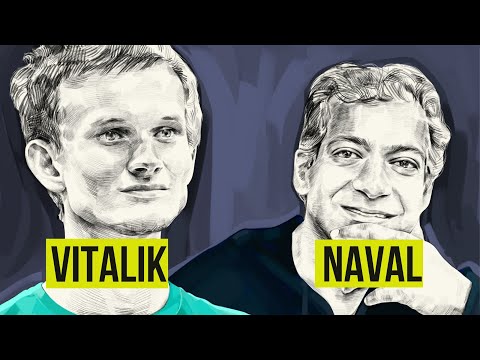
Naval Ravikant’s documentary presence is less a sermon than a caution: begin with a disclaimer, distrust the clean ending, and notice how wishful thinking spends your hours. Across the Ferriss caveat, the Knowledge Project’s cosmic dead end, and the motivational clip’s warning about time, he keeps returning agency to the reader. The written record—AngelList’s startup ecology, the Thiel Fellowship’s early bet, Scott Adams’s self-improvement commentary—frames that agency as institutional and personal: build leverage, choose your games, and inspect the spectacle.