Curated Sub-Topic Tag
#Self & Unconscious
Verified primary-voice documentaries on Self & Unconscious, or enter a sharper question below to cut a new film live from 200M+ spoken records.

You Don't Need More Willpower: The 2-Minute Rule That Rewires Your Identity
These interviews show James Clear working from mechanics to meaning. Tim Ferriss asks about annual reviews, the Knowledge Project isolates the two-minute rule, and ZOE stresses obvious cues. Commentary clips add reward cautions and a brain myth. Identity formation research supports Clear's broader claim that repeated actions become self-definition, though the fragments also reveal how easily complex habit advice turns into slogans.

You Think You're Over It. Your Body Disagrees.
Van der Kolk's central claim is practical: if conventional trauma care does not work well, clinicians should test other methods. His book carries the argument into popular and clinical conversation, where Paul Conti recommends it and practitioners cite it to explain stress that persists without an obvious cause. The written record places that claim in decades of PTSD research, not a single breakthrough.

The Scars Before Words: How Childhood Trauma Rewires the Brain
The dossier follows a single thread from narrative to biology: Big Think shows children building explanatory stories early, while ACE data and Sergiu Pașca's lab work show how adversity and developmental biology can compound. Ed O'Brien and Paul Conti supply the clinical and human stakes: depression, bodily illness, and the slow work of compassionate curiosity. The evidence does not settle treatment, but it clarifies why early experience matters.

Your Self Is a Construction: What Meditation Reveals About the Brain
Compassion meditation turns a private practice into a measurable question: what changes in attention, mood, and the sense of a bounded self? Goleman describes beginners meeting loving-kindness; Suzuki reports lower stress and depressive symptoms; Davidson and Huberman frame the research; SciShow Psych links nonduality to weakened network rivalry. The literature on empathy and compassion gives the biological context.

The Circle or the Enemy: Why Identity Politics Keeps Splitting Us
Jonathan Haidt frames identity politics as either a wider-circle appeal to equal dignity or a narrower contest for group advantage. Glenn Loury and Clarence Thomas press the case against race-conscious admissions, while Matt Yglesias and Sam Harris ask how the left can course correct. Haidt's Righteous Mind and Moral Foundations research supply the vocabulary: moral intuitions vary, and institutions translate competing intuitions into law.

Your Bones Are Not Fragile by Default
The dossier follows bone density from clinic language to training floor. Speakers disagree about starting points: Johnson asks about dad bod, Stanford links exercise to glucose and weight, Rehab Science cues full range motion, and Giangregorio asks how exercises are chosen. The LIFTMOR trial and osteopenia definitions clarify that load and impact matter most for people with low bone mass, while vegan and mind-body questions remain narrower.

The Trauma That Words Can't Reach: How Childhood ACEs Rewire the Brain
Maya Panchal says ACEs persist into anxiety, depression, substance abuse, and academic struggle. Dartmouth's front-line panel adds academic pressure, loneliness, bullying, stigma, and trauma. Rob Ager, TopHealth, and HealthyGamerGG widen the frame to mental health work, violence, and complex psychology, while the literature formalizes ACE categories and adult health prediction. The result is a short dossier on risk, care, and prediction.

Personal Brands Are Broken: What Actually Cuts Through
Personal branding is less a polish problem than a proof problem. Sunny Lenarduzzi notes AI and faceless channels flooding feeds, Omar Eltakrori keeps returning to vertical clips, Joanna Wiebe stresses content psychology, and Barbra Gago ties brand to analyst-validated categories. The literature agrees on differentiation and perception, but the acts disagree about whether reach or category authority comes first.
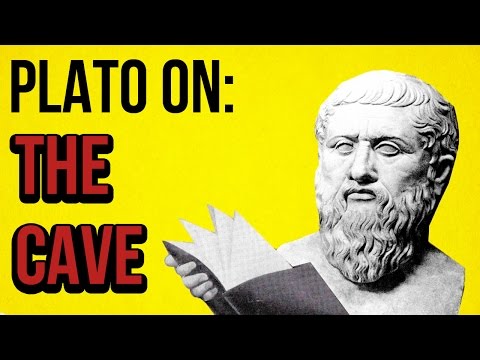
Chained in the Dark: Why We Call Shadows Wisdom
The School of Life shows prisoners who mistake phantoms for reality and take pride in shadow talk. YaleCourses ties that image to Plato's Republic and to dark hollows where people misread reality, while Storyline English adds careful, patient thinking. Philosophies for Life drifts toward networking advice and dice-like acceptance, a useful test of how the allegory survives translation.

Who Gets to Be Us? The Prejudice Puzzle
Kagan separates metaphysical identity from group labels, while Tajfel and Turner show that self-concept partly comes from group membership. The dossier tracks where personal continuity and social identity meet, then how perceived threat can turn belonging into prejudice. The speakers disagree about focus, not about the stakes: identity is both private and public, and prejudice exploits the seam.

You Are Not Trapped in Your Brain
Lisa Feldman Barrett frames trauma as a prediction problem that can be interrupted, not a permanent sentence. The surrounding clips widen the frame: memory loss can begin in the late twenties, attention is pulled by scrolling, and brain injury complicates storage and retrieval. Academic references on trauma and memory confirm the stakes without resolving how much change is possible.

Chris Voss's Accusation Audit: Say the Worst Thing First
The accusation audit is a negotiation move: say the worst things the other side may believe before they do. Voss's clips show the method under pressure, from kidnapping calls to ransom demands and threats to call police. The verified references to Prince Jefri Bolkiah and Roman Abramovich point to high-stakes bargaining where money, politics, and reputation collide, and an audit can expose leverage or provoke resistance.

The Hostage Negotiator's Black Swan: Listen First, Then Change the Deal
Voss's authority comes from crisis work, not corporate mythology: he describes suicide hotline listening as emotional intelligence training, then sells a Black Swan Group method for unexpected information. The FBI's Crisis Negotiation Unit gives that lineage institutional weight, while academic negotiation writers contest parts of his framework. That mix of service and commerce is the central story for viewers, and it keeps scrutiny close.

Nothing Happened: The Childhood Wound You Can't Point To
The Still Face Experiment shows infants reading faces for emotional cues; Kati Morton locates neglect in the ordinary question 'What do I want?' Anna Runkle describes trauma as disconnection and avoidance. Alexithymia names difficulty processing or describing emotion, and indexed studies link childhood emotional neglect to emotional eating through alexithymia and distress. The dossier keeps those claims beside clinical definitions and peer-reviewed findings.

Stop Asking Love to Make You Feel Safe
Dr. Becky Kennedy treats attachment as a relationship pattern, not a parenting camp. Veronika Mark describes anxious attachment as chronic fear of abandonment and says security can be rebuilt. Code Your English, NYU Langone, and Dr. Scott Eilers add practical contrasts: attachment asks security from others, coping must start before boiling, and security sits on a behavioral spectrum rather than a binary label.

Can Fear Be Trained Away? VR, Exposure, and the Brain's Off Switch
Exposure therapy asks patients to approach the feared cue. Cambridge researchers use VR to study fear extinction, Tim Ferriss describes the lab study of extinction, and Dave Asprey links ketamine and MDMA to amygdala safety learning. The literature defines extinction as a gradual decrease in learned behavior, while schedules and neural substrates remain under study.

The Scapegoat Is Never Random
Foucault's power-knowledge names a loop: power relies on knowledge and puts it to use. The dossier hears that loop in a Yale lecture on scapegoats, MIT's open-access conversation, and Robert Greene's laws of psychology. It also hears the counterclaim: knowledge can protect LGBTQ youth or become unfair leverage.

When the Self Goes Quiet: Psychedelics and the Default Mode Network
Across six clips, Rich Roll, Rick Doblin, Tim Ferriss, Andrew Huberman, and commentators return to one claim: psychedelics alter default mode network activity, and that shift may loosen the ego. The neuroscience literature defines the DMN as a large scale brain network; it does not settle what subjective change follows. The speakers describe possibility more confidently than the evidence allows.

If You Upload Your Mind, Who Wakes Up in the Computer?
Kagan frames personal identity as a problem for any theory that ties the self to personality. Corabi imagines waking in a computer host, Deng asks what uploading requires, Dupré warns that self-declared princes can be mad, and Kotler says mortality shapes morality. The written record adds Pantheon and peer-reviewed work on Cartesian identity, so the dossier keeps technical claims and human stakes in the same frame.
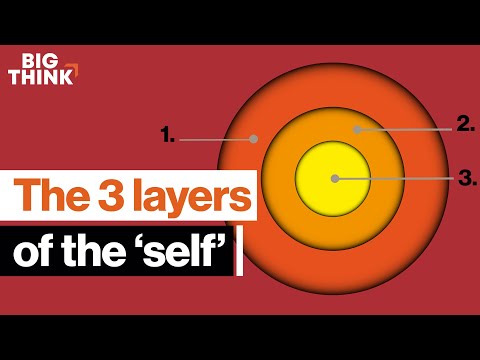
The Self Is a Story You Were Taught to Tell
Narrative identity theory says people build a self by integrating experience into an evolving internal story. The speakers test that claim from different angles: Sam Harris roots the ego in early fear, Nadeen asks how much of a life was chosen, Tim Fletcher traces shame to unmet needs, and a mistaken ICE detention shows how official labels can override a person's own account.

Where Trauma Hides in the Body
Somatic Experiencing is an alternative therapy for trauma and stress-related disorders, and somatic psychotherapy treats bodily experience as clinical material. The spoken excerpts approach healing from different angles: Tim Ferriss asks which tools help, Laverne Cox describes dating as networking, and a pelvic-floor therapist traces unresolved pain to the pelvis. The dossier keeps those verbatim voices central while asking where body-based methods fit.

Why Small Stress Feels Unbearable: The Window Trauma Shrinks
Tiffany Steinwert frames pandemic fatigue as chronic stress, while therapy channels describe the window of tolerance as the range where arousal can be managed. The speakers disagree on method: somatic rituals, calming techniques, early exit, and widened coping skills. Psychotraumatology literature and indexed work on the window give the term clinical provenance without settling how it is taught.

Why Trauma Makes You Go Numb: The Body's Quiet Shutdown
Trauma educators describe emotional numbing as a survival reflex, with Jim Kwik pointing to limbic threat and Psych2Go linking dissociation to hippocampal shrinkage. BJ Miller's Steve Shire story and the Trump family separation policy show how attachment rupture turns shutdown into a public and private event. Peer-reviewed studies connect induced dissociation to emotional numbing, while 2021 research ties trauma, dysregulation, dissociation, and body dissatisfaction.
Schopenhauer's Quiet Rebellion: Why Morality Begins With Feeling, Not Rules
Schopenhauer's ethics begin with suffering shared across creatures, not with rules or duties. Lex Fridman and James Doty describe compassion as recognition of another's pain, while Jonny Thomson notes Schopenhauer's break from Kantian duty. The commentaries add a sharper claim: compassion interrupts the restless Will and becomes a practical rebellion against ordinary self-interest.

The Budget in Your Head: How Categories Quietly Run the World
Richard Thaler's mental accounting describes how people code, categorize, and evaluate money. The excerpts show that act at different scales: Dartmouth asks for mental-health budget priority, the Money Guy host defends freedom outside strict categories, and LYFE Accounting names income, expense, and liability categories. Lex Fridman's Kraepelin segment adds historical record-keeping as classification.
The Memory That Won't Stay Past
Charan Ranganath asks whether recovery requires full traumatic recall. Gina Poe describes brains that fail to downscale novelty encoding and purge old traumatic traces. Chatterjee ties PTSD to profoundly affected sleep and night terrors. Yale historians separate memory from history while grounding the inquiry in neuroscience. Together they frame flashbacks as recurrent events shaped by sleep, encoding, and public memory.

The Kindness Practice That Rewires Your Brain
The speakers treat loving-kindness and compassion as trainable practices, not moods. Davidson names the meditation protocols; Kornfield places them after a mindful pause; Ricard links them to a more fulfilled life; Thubten applies compassion to difficult situations. The written record grounds this in maitrī, Atiśa's Kadam tradition, and clinical work on loving-kindness, compassion, and self-compassion meditation.

Can You Earn a Secure Attachment After a Wounded Childhood?
Holly Gaspar defines secure attachment as a child's first need: safety, nurture, care. Commentary clips turn the term into a goal, a style, and a stepping stone, while the literature separates adult attachment theory from discredited attachment therapy. Earned security appears in trauma treatment research, but the spoken excerpts rarely name the clinical work required.
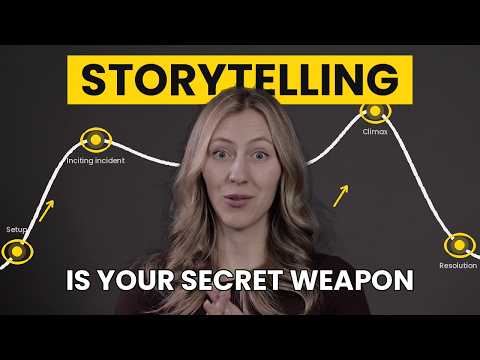
Presence Is Not Charisma: How Influence Really Gets Built
The excerpts treat boardroom influence as a craft of narrative and bearing. Francesca Psychology and Smarter While You Sleep describe presence based persuasion; Maxwell Leadership and Arise News stress reputation and sustained influence; Jacob Warwick ties negotiation to leadership presence. Academic work on executive presence and executive team wars confirms the stakes, while Arianna Huffington and The Dark Knight show public narrative can outrun the person.
Your Feelings Are Lying: What Couples Therapy Really Fixes
Emotionally focused therapy treats couples conflict as an attachment problem, not a debate to win. The School of Life notes therapy forces private matters into a room with a trained stranger; WIRED, Call Her Daddy, and parody clips test how easily that work becomes a joke. Guillory's DOI-indexed work and Hacker News discussion place the method in a longer conversation about love and repair.

The Salary Question You Should Not Answer First
The clips show salary negotiation as a practiced conversation built from scripts, variations, and rehearsal. Phyl Terry begins with asking for help; Gabrielle Talks Money promises a 30 percent raise; A Life Engineered and Aced focus on tactical variations and role play. The literature frames negotiation as dialogue, notes principal-agent conflicts, ties training to comfort, and treats tactics as moves to rehearse while scripts stay provisional.

Yalom's Warning: The Fear of Death Is Shrinking Your Life
Yalom's Existential Psychotherapy treats death as one of four core givens, not a side symptom of pathology. The selected clips show death anxiety as ordinary fear, unsavory reaction, religious hunger, and unlabeled existential unrest. The written record supplies the clinical term thanatophobia while speakers trace how mortality fears enter medication, spiritual seeking, and daily coping.

Sauna, Cold Plunge, Repeat: What the Ritual Really Does
The acts trace a protocol from metabolic claim to gym amenity. Søberg and Spector discuss heat physiology, Bate praises alternation, and Rogan, Barker, Bare, and a luxury club treat sauna and plunge as a package. Written references include a discount referral code and a preoperative infection protocol, neither resolving whether alternating heat and cold outperforms either practice alone.

Your Brand Is Not Your Logo: What Startup Founders Get Wrong
April Dunford draws a firm line between positioning and branding, while startup commentary keeps blending the two. Uche Aniche's early traction category and Ash Maurya's false positive warning show why founders confuse category claims with validation. Lynk & Co, Prophet, city branding research, and startup branding funnel studies give the written record a broader frame.

Why Your Ego Treats Advice Like an Attack
MIT OpenCourseWare treats social defensive behavior as part of anti-predator motivation. The English lesson and psychology channel describe ego turning discussion into competition and threat triggering automatic defense. The Schopenhauer commentary names identity as the vulnerable target. Psychoanalytic defence mechanisms, defensive self-esteem research, and a 1976 defensive-compensation replication give these spoken claims clinical and experimental grounding.

The High Cost of Never Saying No
The fawn response is a nervous-system strategy: appease the threat, keep the client, survive the room. Meg Josephson and Clara Carlsen place fawning beside fight, flight, and freeze, while a lawyer's account shows how professional pressure can make compliance feel compulsory. Research on hyperarousal and adverse childhood experience explains the physiology and the cost. It leaves open where strategy ends and symptom begins.

Never Miss Twice: The Habit Rule That Rebuilds Your Identity
The clips converge on a practical recovery rule: one lapse is information, two in a row becomes a pattern. Mike and Matty stress identity-based habits; Professor G turns Monday into a restart ritual; Travis Media treats developer practice as career infrastructure. The written record offers only oblique support, from near-miss auditing to Poirot's recurring cases, so the rule remains a working heuristic, not a lab finding.

Nobody Is Born Calm: The Training Behind Emotional Control
Emotional regulation training is sold as a skill, but these six excerpts show it arriving through different doors: a therapist's habit list, a parent's confession, a pistol drill, workplace English, a school hip-hop program, and a pop star's editing hobby. DBT and emotion-regulation research define the target as flexible, socially tolerable response. The speakers show how hard that is to practice under stress.

You Are Not Trusted Here: How Zero Trust Really Works
Zero trust is less a product than an operating rule: verify every request and grant the least access needed. John Savill calls it a holy grail; Microsoft Mechanics reduces it to one idea; Udacity shows the login friction; Travis Media tests it against VPN habits; InfoQ warns that AI widens the threat surface. Google's BeyondCorp and recent identity segmentation research show the model's practical lineage and limits.

The Conflict Mirror: Why Boundaries Begin With You
The speakers treat boundaries as practical equipment for relationships, not slogans. Bryant mines past dating wounds for wisdom; Dunlap calls conflict a mirror; Jung warns that kindness can deny self-protection. The written record grounds these claims in boundary-setting literature from the mid-1980s and in the healthy narcissism tradition. The result is a working argument about limits, shame, and repair.

Why Danger Feels Like Love: Trauma Bonding and the Brain
Therapy in a Nutshell describes borrowed regulation becoming internalized. Barrett explains why brains overpredict threat. Doty and the Harvard trauma expert link attachment injury to bonding problems, while Savannah Chrisley asks how partners can discuss trauma without trauma bonding. Attachment theory and CPTSD research supply the frame, but the speakers disagree on where repair begins. The clips pair clinical mechanisms with public confusion about the term.

The Shadow Bank Hiding in Plain Sight
The dossier follows a simple split: regulated banks versus nonbank lenders that perform bank-like credit work. Clinton's blame, private credit's rise, and AI project finance all point to the same question. When credit moves outside deposit insurance and central bank backstops, who sees the leverage, and who pays when it fails?

Can You Rehearse Away a Nightmare? Inside PTSD's Strangest Therapy
Mayo Clinic and Therapy in a Nutshell describe Imagery Rehearsal Therapy as a practical sequence: rescript the nightmare, then rehearse the revised imagery. Physionic, a refugee trial, and Vietnam veteran data show IRT inside comparative research with uneven outcomes. MDMA-assisted therapy draws media attention from Ben Miles, Jon Dean, and John Oliver, while PTSD management literature still centers psychotherapy and antidepressants.
Why Calm Feels Wrong: Disorganized Attachment and the Nervous System That Learned Chaos
Across six clips, disorganized attachment appears less as a label than as a survival pattern: fear without a stable strategy, guilt after leaving, and guarded distance. Therapy in a Nutshell describes borrowed regulation and rewiring; Dr. Josh Axe names the disorganized outcome; Mighty Pursuit links meshment to parental trauma. Liotti and Gumley connect disorganized attachment, dissociation, and mentalization in psychosis research.

The Scars You Can't See: Judith Herman's Map of Complex Trauma
Judith Herman's work on incest and traumatic stress gives the dossier its spine, while complex PTSD clarifies why prolonged harm changes more than symptoms. The speakers keep returning to that gap: Taite says removing drugs is not enough, a SEAL officer ties service to pressure, Teahan cites Herman by name, and Hunter Biden describes recovery as struggle. TopHealth asks how emotional intelligence fits.

Trauma Recovery Starts With Getting Safe, Not Telling the Story
Judith Herman's stages surface here as practical grammar: distance and safety come first, then remembrance, then reconnection. Hillary McBride names distance from terrifying religious language as stage one. Lewis Howes locates Herman among popular trauma teachers. Marisa Liza Pell shows relational turbulence when partners heal at different speeds. Therapy in a Nutshell describes a nervous system primed for danger, the condition the stages address.

The Phantom in the Mirror: Why Absence Still Feels Present
The excerpts orbit two phrases: phantom and mirror box. One comes from opera and game-pack chatter, the other from lens calibration. Clinical literature on phantom limb pain and neuroplasticity supplies the missing subject: cortical reorganization, CRPS, and virtual mirror-box trials. The dossier separates catchy terminology from measured claims about relief, marking where popular language outruns clinical evidence and where trial data remain thin.

What Britain Buried in Its Colonial Archives
The six clips move from archival brick walls to Kenya's Mau Mau camps and the rhetoric of imperial retreat. Digitization opens records, while scholarship frames decolonization as both political ending and enduring cultural trauma. The speakers supply dates, places, and search obstacles; the references supply definitions and academic context. Together they suggest Britain's colonial past persists in registries, detention histories, and post-imperial politics long after formal retreat.