PastNoise
Business & Wealth·6 acts·5m 37s·6 Perspectives·2 citations·Cut from 1,655 live hits · 2 ads stripped

The Shadow Bank Hiding in Plain SightShadow Banking Credit Bubble · Primary Podcast Clips & Verified Transcript

Clinton blamed Lehman and AIG. Private credit became the bubble nobody stress tests.

Clinton Blames Lehman, Not Big Banks

ACT I · Bloomberg Originals · 5m 37s

Clinton Blames Lehman, Not Big Banks

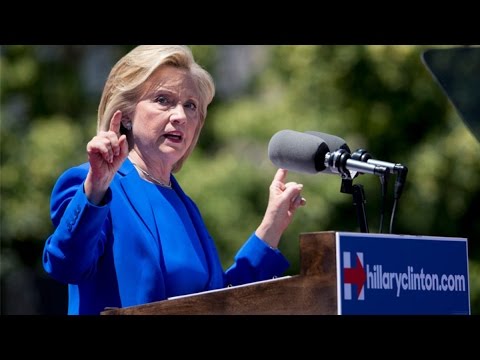
Jesse, if big banks didn't cause the financial crisis, at least according to Hillary Clinton,

00:00 / 05:37
0%
Highlights:
ACT IREPORTINGBloomberg Originals · Oct 2, 2015

Clinton Blames Lehman, Not Big Banks

Clinton assigns responsibility for the financial crisis to shadow banking rather than big banks alone.

Click any timestamp to jump directly

30-Second Quick Reference · Verified Takeaways

6 acts · 2 citations · Last Verified Nov 21, 2026
  • 01Clinton blames shadow banking for the financial crisis, shifting attention from big banks to nonbank intermediaries.
  • 02Second Thought says private credit reached towering heights by doing shadow banking, moving credit outside regulated banks.
  • 03Prehn warns credit migrates from regulated banking to unregulated shadow banking, raising crisis risk beyond public safeguards.
  • 04Chill Financial Historian says AI power deals and lease equipment become credit instruments, making private credit AI's shadow bank.
“Hillary Clinton points to shadow banking, while private credit lenders now finance AI and everyday borrowers.”

Core Synthesis

The dossier follows a simple split: regulated banks versus nonbank lenders that perform bank-like credit work. Clinton's blame, private credit's rise, and AI project finance all point to the same question. When credit moves outside deposit insurance and central bank backstops, who sees the leverage, and who pays when it fails?

01

Who Gets Blamed

Bloomberg's clip sets the frame: Hillary Clinton names shadow banking, not only big banks, as the crisis culprit. Second Thought and Prehn widen that claim, describing private credit as bank-like lending that migrated outside regulated deposit institutions. The external reference defines shadow banking as nonbank intermediaries legally offering services similar to commercial banks. That definition matters because it names legal activity, not hidden crime.

The dispute is less about legality than about where credit risk accumulates.
02

Private Credit's Ascent

Second Thought says private credit rose from zero to towering heights through shadow banking. Prehn frames the move as a migration from regulated banking to unregulated shadow banking. The CNBC bubble tea banker supplies a human counterpoint: he left a lucrative banking career to build Gong Cha, showing finance's talent and capital can flow elsewhere when incentives change.

Private credit's growth is also a story of professional exits and new lending channels.
03

AI Meets Shadow Credit

Chill Financial Historian links the AI boom to project finance, lease-to-own equipment, and repackaged credit instruments. In that account, private credit becomes the shadow banking system of AI, financing power deals and hardware outside conventional bank oversight. Social Symone's credit card lawsuit clip grounds the theme in household debt: even ordinary borrowers can end up in court when repayment fails.

The same nonbank label covers AI infrastructure finance and consumer credit lawsuits.

Where Voices Converge

  • • Shadow banking describes nonbank intermediaries that provide bank-like credit outside traditional deposit institutions.
  • • Speakers agree that credit can migrate to less regulated channels and create unseen risk.

Nuance & Unresolved Tension

  • • Clinton's blame on shadow banking may deflect from big banks, while private credit advocates see nonbank lenders as useful competition.
  • • AI project finance and credit card lawsuits sit at different scales, so one crisis frame may not fit both.

Explore Related Questions

Complete Timestamped Bilingual Transcript

Full 6-Act Spoken Transcript Archive

Click any timestamp to jump
ACT I · Bloomberg Originals · 00:00 - 00:58

Clinton Blames Lehman, Not Big Banks

ACT II · CNBC International · 00:00 - 01:35

He Quit Banking for Bubble Tea

ACT III · Second Thought · 03:03 - 03:51

Shadow Banks Grew After 2008

ACT IV · Felix Nikolas Prehn · 13:14 - 13:54

Banks Lend to the Middleman Now

ACT V · Chill Financial Historian · 16:03 - 16:57

Private Credit Becomes AI's Shadow Bank

ACT VI · Social Symone ♡ · 20:08 - 20:50

A $350 Card Led to Court

Want sentence-level movie clips, connected-speech breakdowns, or daily spoken English drills instead of long-form interviews? Our sister tool WinkLingo is purpose-built for that workflow.

Key Questions & Reference Guide

Frequently Asked Questions

What are the core takeaways on Shadow Banking Credit Bubble?

The dossier follows a simple split: regulated banks versus nonbank lenders that perform bank-like credit work. Clinton's blame, private credit's rise, and AI project finance all point to the same question. When credit moves outside deposit insurance and central bank backstops, who sees the leverage, and who pays when it fails? Key insights include: Clinton blames shadow banking for the financial crisis, shifting attention from big banks to nonbank intermediaries. Second Thought says private credit reached towering heights by doing shadow banking, moving credit outside regulated banks.

Which primary podcasts, lectures, and speakers are featured in this Shadow Banking Credit Bubble screening?

This screening stitches 6 continuous acts featuring voices from Bloomberg Originals, CNBC International, Second Thought, Felix Nikolas Prehn, Chill Financial Historian. Every act separates primary voices from commentary and links directly to the original timestamp.

Where do experts agree and disagree on Shadow Banking Credit Bubble?

Convergence: Shadow banking describes nonbank intermediaries that provide bank-like credit outside traditional deposit institutions. Open tension: Clinton's blame on shadow banking may deflect from big banks, while private credit advocates see nonbank lenders as useful competition.

Does this Shadow Banking Credit Bubble page include a searchable timestamped transcript and citations?

Yes. Open the Interactive Transcript tab to click any sentence and jump directly to that exact second in the video, export Obsidian/Notion reading notes, and verify 2 cross-referenced scholarly or encyclopedic citations including "AI bubble".

More Documentaries in This Topic

Business & Wealth →
Money Is Not Math: It's Psychology
Business & Wealth5m 29s

Money Is Not Math: It's Psychology

Across six interviews, Morgan Housel separates building wealth from keeping it: optimism and risk make money, while conservatism protects it. He flags envy, leverage, and luck as forces that shape decisions more than spreadsheets do. The written record for The Psychology of Money carries indexed academic provenance, but the spoken excerpts carry the practical argument.

6 acts2 primary2 citations
The Greatest Thing Steve Jobs Built Wasn't the iPhone
Business & Wealth5m 53s

The Greatest Thing Steve Jobs Built Wasn't the iPhone

Peter Thiel's case for startup monopoly is less a celebration of size than a warning about imitation. In Zero to One and in these interviews, he treats business design as the central invention, frames sacrifice and competition as traps, and tells founders to quit safe jobs for asymmetric bets. The Bloomberg and Garry Tan clips show the same doctrine under political and personal pressure.

6 acts4 primary4 citations
The Culture That Made Apple Feel Inevitable
Business & Wealth5m 07s

The Culture That Made Apple Feel Inevitable

The dossier follows product culture through first-hand testimony: Fadell on working with Jobs, ColdFusion on Pixar's rescue, and Founders on Jobs's own Macintosh language. External references on Jobs and the 2015 film supply context, not proof. The through-line is less genius myth than operating discipline: tight reviews, launch pressure, and arguments over credit.

6 acts5 primary4 citations
You Only Get So Many Tries
Business & Wealth5m 20s

You Only Get So Many Tries

Product-market fit is the inflection point where a product finally satisfies a real market, but the path there is less about genius than about disciplined iteration. Garry Tan's timeboxing turns finite tries into a numbers game, while Ash Maurya warns that founders often distort reality to avoid the truth. The literature confirms that fit is a milestone, not a finish line, and that hypergrowth without unit economics can be a trap. The real work is to shorten the loop between honest feedback and the next experiment.

6 acts2 primary4 citations
The Fit Before Product-Market Fit
Business & Wealth6m 41s

The Fit Before Product-Market Fit

Paul Graham says two startup questions share an answer. Roelof Botha calls founder-market fit a key starting condition, while Eoghan McCabe describes rebuilding Intercom by hiring people with fresh ambition. Reddit's rejection by YC and later reversal show judgment is revisable. Against YC's 5,000-company record, the dossier treats fit as a working test with real limits.

6 acts4 primary4 citations
Trust Is the Crisis Nobody Budgets For
Business & Wealth6m 23s

Trust Is the Crisis Nobody Budgets For

The Stanford forum begins with a blunt premise: trust in American society is under strain. Cambridge's moral leadership podcast asks what leaders owe in a crisis, while Zoom's CMO names empathy and transparency as practical repair tools. The research on crisis communication and organizational trust supports that claim, but the speakers disagree about how quickly words can rebuild credibility.

5 acts2 primary4 citations