Curated Topic Hub
118 public documentariesBusiness & Wealth
Value investing, startups, leadership, negotiation & market cycles

Money Is Not Math: It's Psychology
Across six interviews, Morgan Housel separates building wealth from keeping it: optimism and risk make money, while conservatism protects it. He flags envy, leverage, and luck as forces that shape decisions more than spreadsheets do. The written record for The Psychology of Money carries indexed academic provenance, but the spoken excerpts carry the practical argument.

The Culture That Made Apple Feel Inevitable
The dossier follows product culture through first-hand testimony: Fadell on working with Jobs, ColdFusion on Pixar's rescue, and Founders on Jobs's own Macintosh language. External references on Jobs and the 2015 film supply context, not proof. The through-line is less genius myth than operating discipline: tight reviews, launch pressure, and arguments over credit.

The Greatest Thing Steve Jobs Built Wasn't the iPhone
Peter Thiel's case for startup monopoly is less a celebration of size than a warning about imitation. In Zero to One and in these interviews, he treats business design as the central invention, frames sacrifice and competition as traps, and tells founders to quit safe jobs for asymmetric bets. The Bloomberg and Garry Tan clips show the same doctrine under political and personal pressure.

How Startups Find Product-Market Fit (PMF)
You Only Get So Many Tries
Product-market fit is the inflection point where a product finally satisfies a real market, but the path there is less about genius than about disciplined iteration. Garry Tan's timeboxing turns finite tries into a numbers game, while Ash Maurya warns that founders often distort reality to avoid the truth. The literature confirms that fit is a milestone, not a finish line, and that hypergrowth without unit economics can be a trap. The real work is to shorten the loop between honest feedback and the next experiment.

The Fit Before Product-Market Fit
Paul Graham says two startup questions share an answer. Roelof Botha calls founder-market fit a key starting condition, while Eoghan McCabe describes rebuilding Intercom by hiring people with fresh ambition. Reddit's rejection by YC and later reversal show judgment is revisable. Against YC's 5,000-company record, the dossier treats fit as a working test with real limits.

Trust Is the Crisis Nobody Budgets For
The Stanford forum begins with a blunt premise: trust in American society is under strain. Cambridge's moral leadership podcast asks what leaders owe in a crisis, while Zoom's CMO names empathy and transparency as practical repair tools. The research on crisis communication and organizational trust supports that claim, but the speakers disagree about how quickly words can rebuild credibility.

The Atomic Network: Why the Smallest Connections Win
The Andrew Chen tape is fragmentary and image-driven: airports close to you, social networks, games. Hoover's Lanhee Chen supplies policy credentials, @Scale's YuLing Chen ties reliability to revenue, and Pivot makes a blunt institutional-courage claim. External references to atomic layer epitaxy, atomic clocks, AP decomposition, and storm-surge networks show that 'atomic network' is a borrowed technical metaphor, useful only when defined.

The Hidden Drift in Every Portfolio
Drawdown risk management starts with a measurable decline from a historical peak. Shiller treats insurance as a risk institution; Dicle explains rebalancing as drift control; Molyboga and Charwand formalize drawdown measures. The spoken excerpts also expose practical gaps: age and income shape exposure, trading disclosures reveal activity, and AI speeds research without naming who owns the final risk decision.

Personal Brands Are Broken: What Actually Cuts Through
Personal branding is less a polish problem than a proof problem. Sunny Lenarduzzi notes AI and faceless channels flooding feeds, Omar Eltakrori keeps returning to vertical clips, Joanna Wiebe stresses content psychology, and Barbra Gago ties brand to analyst-validated categories. The literature agrees on differentiation and perception, but the acts disagree about whether reach or category authority comes first.

Howard Marks: "If You Wait Until There's Nothing to Fear, the Opportunity Is Gone"
Howard Marks uses market temperature to describe collective risk appetite. In these interviews he questions economic literacy, calls recent rate history an aberration, and warns that waiting for safety can miss opportunity. The Most Important Thing supplies the analytical frame: markets are often efficient, yet their limits leave room for cycle-aware investors to act when fear is priced.

Ship It, Then Figure It Out: Paul Graham's Startup Rule
The dossier follows Paul Graham's advice as it travels through Y Combinator: Garry Tan credits Graham for a shipping culture, Naval Ravikant describes habit-building as effort reduction, and Graham's own Turing test aside shows how founder lore mixes with AI ambition. The written record adds scale and caution, not a verdict. It asks which advice changes behavior and which merely selects founders already primed to ship.

Too Late at 40? The Real Midcareer Pivot
The acts treat career change as a design problem, not a revelation. Raj asks whether midlife is too late; Yale's Peter Boyd teaches purpose as a search method; The School of Life admits the social cost of starting near zero. Job crafting research and career counseling literature supply the missing mechanics: small self-initiated job redesign and structured counsel.

Charlie Munger's Checklist for Seeing What Others Miss
The archive treats mental models as a working discipline. Ferriss asks Thorp where useful models come from; Gurley names operators who use them; Butterfield recalls Slack's launch; Duhigg describes the stories that focus attention. The commentary warns that one lens can become a stethoscope with only one setting. Across six clips, the model is less an answer than a procedure for checking decisions, attention, and product judgment.

The Confidence to Start From Zero
Late career change is less a single decision than a negotiation with status, skill, and narrative. The School of Life names the party-talk shame of beginning near zero; Bryan Cranston counters with earned confidence and valuing talent. Career counseling research treats such transitions as story work, while career-error scholarship warns that mishandled change late in a career carries distinct costs.

Three Hours a Night and a Mattress in the Office
The clips set founder intensity beside health advice and small experiments. Y Combinator notes PhD founders built Google and Anthropic, while Nico Laqua says Corgi has no place for weekend takers. Bryan Johnson argues health and success can align; Maor Shlomo describes stepping back from building the biggest thing. Thrive Global and Nataly Kogan frame recovery as behavior change and emotional fitness, not indulgence.

Sticky or Dead: The Ugly Truth About Growth
Dan Hockenmaier ties retention to solving customer pain. Andrew Chen's Tim Ferriss appearance shows how podcasts lend operator credibility, while Bloomberg's Airbnb segment points to Chinese travel demand. The written record adds growth hacking, unicorn lists, and peer-reviewed work on social and sonic branding. Across these acts, startup branding becomes a sequence of retention, market selection, and disciplined channel choices.
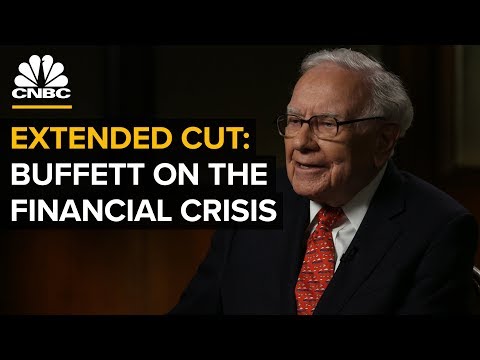
The Market Panic That Outgrew Warren Buffett
The CNBC clip gives Buffett's own metaphor for crisis: many tributaries feed the Missouri River. Bloomberg turns him into a Hall of Fame figure, while Founders and Tracy Britt Cool show the biography and school applications behind the legend. Tim Ferriss warns that one era's success may not fit this era. Graham, 2008 crisis histories, and Buffett indicator research supply the written frame.

Cold Starts: Why a Little Discomfort Builds Everything
Across six excerpts, Dr. Rhonda Patrick asks whether reducing stress always helps the brain. NutritionFacts counters that cold immersion may undercut muscle. Bloomberg and CNBC show networks and sanctions at scale, while Cold War and Alaska segments reveal infrastructure beneath geopolitics. The Cold Start literature names the launch problem: a network has little value until enough compatible users arrive and justify the build.

Who Gets the Money? Venture Capital's Birth Lottery
Vintage diversification spreads venture commitments across fund years so one bad vintage does not sink a portfolio. The speakers complicate that calendar: Kapor Klein names birth circumstances, Molina Niño cites 2.5 percent funding for women, and Bloomberg's EV segment celebrates timing. Atlas Venture's biotech focus and the private equity definition show why fund year, sector cycle, and access are linked.

The World Is Moving: Who Gets Left Behind?
Parag Khanna connects warming to migration and food geography; Ray Dalio ties bear markets to interest-rate shifts; historians and marine biologists supply cases from Poland, the Dead Sea Scrolls, the open sea, and sea otters. Written evidence on Venice and Mediterranean altimetry sharpens the distinction between long-run sea-level records and the political or financial rates that force decisions.

The Dollar Runs on Trust. What Happens When Trust Cracks?
Ray Dalio treats money as a question, investing as a repeated mantra, and reserve currencies as a geopolitical signal. Bridgewater’s scale and Dalio’s indexed dialogues give the claims weight, while the clips leave inflation hedging implicit: the real hedge is understanding debt cycles, diversification, and regime change before prices force the issue. The dossier separates the public principle from the implementable trade.

Retire Early, Then Pay the Doctor
The promise of early retirement meets a hard American fact: health insurance is expensive and often tied to work. Vicki Robin's FIRE history and Daniel Ek's sensor talk sit beside James Digilio's termination notice and the HealthWell call center. Yale's cost question frames the dossier: leaving a job can mean buying coverage alone, years before Medicare.

The Hostage Negotiator's Black Swan: Listen First, Then Change the Deal
Voss's authority comes from crisis work, not corporate mythology: he describes suicide hotline listening as emotional intelligence training, then sells a Black Swan Group method for unexpected information. The FBI's Crisis Negotiation Unit gives that lineage institutional weight, while academic negotiation writers contest parts of his framework. That mix of service and commerce is the central story for viewers, and it keeps scrutiny close.

Mark Leslie's Startup Learning Curve: The Plan Never Survives the Airport
Mark Leslie's sales learning curve frames early revenue as discovery, not quota coverage. The spoken excerpts echo that discipline: Leslie Kaelbling wants a feasible high-level plan, Mark Rober asks what to make next, Matthias Wandel describes a steep CNC climb, and Mark Zuckerberg defends fast cycles. Academic work on forgetting and outsourcing reinforces the point: curves persist after launch.

The Pricing Trap Hidden in Good, Better, Best
The dossier follows a pricing question through six voices: a SaaS founder, a wedding officiant, an open science economist, a sunscreen tester, an iPhone reviewer, and Bill Gates on drug pricing. Together they show that good, better, best is rarely a neutral menu. It is a set of inherited forms, tested claims, and business incentives that buyers must price and verify.
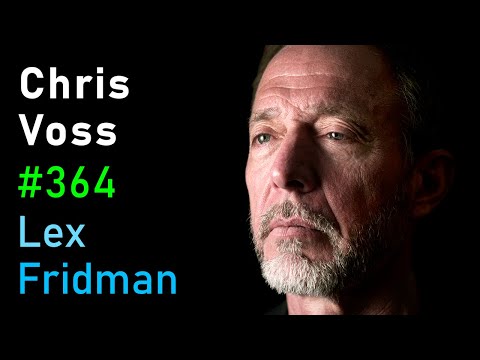
Chris Voss's Accusation Audit: Say the Worst Thing First
The accusation audit is a negotiation move: say the worst things the other side may believe before they do. Voss's clips show the method under pressure, from kidnapping calls to ransom demands and threats to call police. The verified references to Prince Jefri Bolkiah and Roman Abramovich point to high-stakes bargaining where money, politics, and reputation collide, and an audit can expose leverage or provoke resistance.
Paul Graham on Default Alive, Default Dead, and Runway
Paul Graham's default alive or default dead test reduces startup survival to a runway calculation: will revenue cover costs before cash ends? The selected clips show how loosely alive and dead travel, from AGI benchmarks and Epstein risk to Stoic time and TV publicity. The dossier keeps founder math central and uses other voices as contrast.

The Biggest Risk Is You: Druckenmiller's Market Wake-Up Call
The dossier sets Druckenmiller's macro conviction beside McChrystal's warning that risk often comes from the team itself. Market clips isolate AI competitiveness, operational button-press errors, and an unresolved macro setup. Written evidence includes a Gary Druckenmiller academic record and Stanley Fischer's 1986 peer-reviewed macro-model paper, useful context for judging conviction against model limits.

Freelancer Cash: Why Sales Aren't What You Keep
The acts return to one practical sequence: estimate revenue, subtract expenses, then track profit and cash. My First Million asks why sales do not become money; Yale teaches the template row by row; Scott Clary shows acquisitions starting by accident. The written record on residual profit allocation and cash equivalents reinforces the same discipline for freelancers: allocation begins after costs, not after invoices.

Move Fast, Scale Wrong: What Duolingo and Canva Learned Too Late
The dossier follows premature scaling as a practical failure of sequencing. A Yale healthcare lecture puts the core team and customer problem first, while Gina Gotthilf describes Duolingo’s caution about DAU targets and time sinks. Garry Tan’s supply chain segment and Melanie Perkins’s two-step plan show scaling pressure arriving from outside and inside, with Startup CEO and Thiel’s caution as written counterweight.

Buffett's Real Edge: Capital Allocation, Not Stock Picking
The record is a set of repeated lessons and conflicting evidence. Buffett and Munger repeat capital allocation principles until they sound inevitable, while a live broadcast tracks sharp drawdowns and a fake Munger video rewrites the philosophy. Academic references tie allocation choices and security selection to returns, and CFO constraints make the trade-offs concrete.
The Cost of Leaving: How Companies Make You Stay
The dossier follows switching costs from a simple Google question to a Mercor claim that model switching costs are zero. Levi's cost cuts and a $9 launch show how entry costs differ from customer lock-in. Vendor lock-in, barriers to entry, and peer-reviewed work on AI agents in banking frame the business moat as a measurable friction. The speakers keep the focus on economics and customer behavior.

When More Turns Into Worse: The Hidden Bill for Scaling Up
The recordings rarely say platform negative network effects outright. Together they show the mechanism in pieces: looksmaxxing turns attention into status competition, cold plunges fail as muscle therapy, tax cuts and early voting produce delayed costs, pollution harms children, and bank cascades transmit failure. The dossier asks who captures growth benefits and who absorbs the byproducts. The speakers' own words carry the evidence.

Your Founder Sales Calls Are Leaking Deals: Six Quiet Mistakes
Founder-led sales fails less from lack of effort than from skipped pricing, fuzzy discovery, and mistaking product enthusiasm for buyer proof. Pete Kazanjy and Jen Abel show why the founder remains the first salesperson; Ali Abdaal and Ash Maurya name the call and pricing mistakes; Nico Laqua questions old B2B playbooks. The dossier keeps their words close and the patterns concrete.

The Man Who Refused the Laws of Physics: How Steve Jobs Bent Reality
The reality distortion field began as Apple shorthand for Jobs's persuasive force. Evan Carmichael frames it as vision overriding engineering limits, while the Knowledge Project excerpt tests whether confidence can will a product into working. Garry Tan asks how to manufacture the effect, and Jon Stewart describes its political afterlife. Bud Tribble's 1981 coinage and later Apple scholarship show the phrase moving from Mac team folklore into public argument.

The Bond Market Predicted a Recession. It Never Came.
Ben Felix notes nine U.S. inversions followed by recessions within fourteen months on average. Yale's course explains that curves flatten and sometimes fall. Diamond NestEgg flags rare U-shaped warnings. Bloomberg's Evercore chairman examines negative rates and rate charts; CNBC says traders watch the bond market for clues. Academic work on the 2022 to 2024 false alarm complicates the rule, so the signal is a probability, not a prophecy.
Complete Pillar Archive
More Business, Wealth & Career Documentaries (+82)
- TSMC & Morris Chang: How Taiwan Built the Semiconductor Foundry Empire5 acts · 5m 30s
- The Hedge Fund Question: Buffett’s Exit and the Price of Alpha6 acts · 5m 04s
- The Edge of What Buffett Knows: Inside His Circle of Competence6 acts · 5m 50s
- The Bet That Broke the Pound4 acts · 4m 02s
- The Review Is Not the Score: How to Ask Better and Get Fewer Surprises5 acts · 5m 54s
- The Invisible Advantage: How Network Effects Pick Winners5 acts · 4m 54s
- Your Cash Is Quietly Shrinking: What Actually Beats Inflation?6 acts · 5m 11s
- The Feedback Trap: Why 'Any Feedback?' Gets You Nowhere6 acts · 7m 31s
- Sallie Krawcheck: The Money Stories That Quietly Compound4 acts · 3m 44s
- Reid Hoffman: The Real Cost of Growing Insanely Fast6 acts · 6m 07s
- What Improv Knows About Your AI Career6 acts · 5m 49s
- The Pitch Is Never Just the Pitch5 acts · 4m 39s
- Feedback People Can Hear, Methods That Actually Stick6 acts · 5m 28s
- Productivity Is Not a Straight Line6 acts · 5m 12s
- The Creator Economy's Hard Math: Who Actually Gets Paid?6 acts · 6m 45s
- You're Selling Seats. Your Buyer Is Counting Dollars.6 acts · 5m 12s
- Railway Mania: The Bubble That Laid the Tracks for AI6 acts · 5m 42s
- The Can and Will Trap: Managing Performance From a Distance6 acts · 4m 57s
- Disruption Is a Story We Tell Ourselves6 acts · 6m 28s
- AI Adoption Fails When Teams Stay Quiet6 acts · 5m 54s
- Charlie Munger's Inversion Playbook: Think Backwards, Choose Better6 acts · 5m 20s
- Ray Dalio Saw This Coming: Debt, Power, and a Breaking World Order6 acts · 4m 32s
- Why CPI Misses Your Rent Pain6 acts · 5m 15s
- The Budget in Your Head: How Categories Quietly Run the World6 acts · 5m 46s
- Bezos, Buffett, and the Costco Lesson Hidden in Shareholder Letters5 acts · 4m 38s
- The Culture Debt Nobody Writes Down6 acts · 5m 36s
- After the Deal Closes, Who Stays?6 acts · 4m 50s
- The Bond Vigilantes Are Back: France Is in the Crosshairs5 acts · 6m 39s
- MEDDIC Isn't a Checklist: How Complex B2B Deals Actually Move6 acts · 5m 32s
- The Liquidity Grab: Who Really Wins When Money Tightens6 acts · 6m 14s
- Before the First Call: Who Gets to Qualify a Lead?6 acts · 6m 31s
- Forget Build It and They Will Come: How Startups Buy Distribution5 acts · 4m 41s
- The Pricing Trap: Why Free Users Hide Your Best Customers6 acts · 5m 37s
- Your Feedback Script Will Fail: What Managers Really Do in Hard Conversations5 acts · 5m 21s
- The Hidden Cycle Behind Every Asset Price5 acts · 4m 35s
- The One-Client Trap: GoPro, AI Clouds, and Your Paycheck6 acts · 6m 25s
- Feedback That Doesn't Blow Up: The SBI Method and the Step Most People Skip6 acts · 5m 49s
- Presence Is Not Charisma: How Influence Really Gets Built6 acts · 4m 53s
- Your Magic Number Is Probably Wrong6 acts · 5m 20s
- The Bubble Is in Your Head6 acts · 5m 18s
- The Stranger Who Gets You Hired: Why Weak Ties Beat Close Friends6 acts · 7m 29s
- The Salary Question You Should Not Answer First4 acts · 4m 14s
- The First Yes: How Trust Makes Networks Take Off6 acts · 6m 28s
- Stop Selling Hours: How Pricing Becomes the Product6 acts · 5m 39s
- The Gravitas Business: Who Decides Who Gets Heard?6 acts · 4m 43s
- Edward Thorp on the Kelly Criterion & Quantitative Investing6 acts · 5m 35s
- Your Brand Is Not Your Logo: What Startup Founders Get Wrong4 acts · 3m 28s
- People Buy People: The Hidden Test Behind Personal Brands6 acts · 5m 13s
- Let AI Work the Night Shift: One Person, One Company, First $1,0005 acts · 4m 47s
- The $10,000 Side Hustle Nobody Warns You About5 acts · 4m 39s
- Can a Side Hustle Really Make $60K in Month One?6 acts · 6m 13s
- Measuring a SaaS Moat: Tracy Britt Cool and the Five M's6 acts · 5m 05s
- Central Banks Say They Beat Inflation. The Charts Say Otherwise6 acts · 5m 40s
- Bonds Were Supposed to Be Safe. Then the Rates Broke Everything.6 acts · 5m 14s
- The Wage-Price Spiral Is Not What You Think6 acts · 5m 23s
- Who Really Controls the Price of Everything?6 acts · 6m 35s
- Run a Company of One: Automate the Work, Land the Clients, Keep the Cash6 acts · 7m 08s
- The Money Talk Couples Keep Avoiding6 acts · 5m 10s
- The Down Round Trap: What Founders Give Away to Survive6 acts · 5m 05s
- The Crack in the World's Strongest Economy6 acts · 5m 36s
- Quarterly Taxes Are Due Before the Money Arrives6 acts · 5m 21s
- The Price of Crash Insurance: What Safety Really Costs Your Portfolio6 acts · 6m 31s
- The Conversion Trap: Why the Easy Win Costs More6 acts · 5m 21s
- The Investment You Never See: Munger's Opportunity Cost6 acts · 5m 58s
- The $200,000 Career Pivot: What Nobody Tells You at 306 acts · 5m 14s
- The Exit Timing Trap: Why Smart People Stay Too Long6 acts · 4m 24s
- The Raise Trap: Why More Money Can Feel Like Less4 acts · 3m 07s
- Keep More, Leave Sooner: The Savings Rate That Buys Your Freedom6 acts · 5m 09s
- The Metric Trap: Why Smart Incentives Backfire6 acts · 5m 31s
- The Shadow Bank Hiding in Plain Sight6 acts · 5m 37s
- The Counteroffer Trap: When Resignation Leverage Backfires6 acts · 6m 32s
- Powell’s Rate Shock Is Still Hitting Your Wallet6 acts · 5m 03s
- The Boring Fund That Keeps Beating the Pros4 acts · 4m 14s
- The Client Request That Eats Your Profit4 acts · 3m 00s
- Your FIRE Number Is a Moving Target6 acts · 6m 01s
- Your Portfolio Is Probably Built for the Wrong Age6 acts · 4m 40s
- Buffett's Free Leverage: The Insurance Money He Doesn't Own6 acts · 7m 24s
- Volatility Is the Price of Admission, Not a Punishment6 acts · 5m 48s
- The Bet Size That Decides Everything6 acts · 5m 18s
- Hire a Star, Lift the Team? The Messy Truth of Star Power5 acts · 3m 46s
- The Raise Was Never Yours: How Lifestyle Creep Eats Every Pay Bump6 acts · 5m 46s
- The Four Tax Dates Freelancers Love to Forget6 acts · 5m 33s