Curated Sub-Topic Tag
#Value Investing
Verified primary-voice documentaries on Value Investing, or enter a sharper question below to cut a new film live from 200M+ spoken records.

Howard Marks: "If You Wait Until There's Nothing to Fear, the Opportunity Is Gone"
Howard Marks uses market temperature to describe collective risk appetite. In these interviews he questions economic literacy, calls recent rate history an aberration, and warns that waiting for safety can miss opportunity. The Most Important Thing supplies the analytical frame: markets are often efficient, yet their limits leave room for cycle-aware investors to act when fear is priced.

Charlie Munger's Checklist for Seeing What Others Miss
The archive treats mental models as a working discipline. Ferriss asks Thorp where useful models come from; Gurley names operators who use them; Butterfield recalls Slack's launch; Duhigg describes the stories that focus attention. The commentary warns that one lens can become a stethoscope with only one setting. Across six clips, the model is less an answer than a procedure for checking decisions, attention, and product judgment.
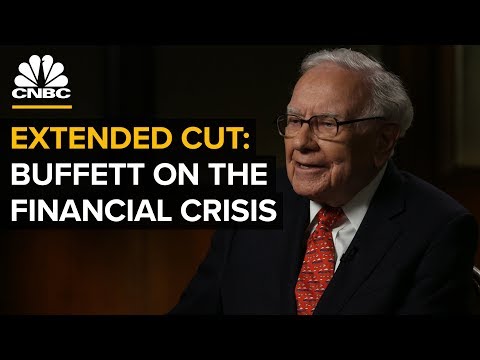
The Market Panic That Outgrew Warren Buffett
The CNBC clip gives Buffett's own metaphor for crisis: many tributaries feed the Missouri River. Bloomberg turns him into a Hall of Fame figure, while Founders and Tracy Britt Cool show the biography and school applications behind the legend. Tim Ferriss warns that one era's success may not fit this era. Graham, 2008 crisis histories, and Buffett indicator research supply the written frame.

Retire Early, Then Pay the Doctor
The promise of early retirement meets a hard American fact: health insurance is expensive and often tied to work. Vicki Robin's FIRE history and Daniel Ek's sensor talk sit beside James Digilio's termination notice and the HealthWell call center. Yale's cost question frames the dossier: leaving a job can mean buying coverage alone, years before Medicare.

The Pricing Trap Hidden in Good, Better, Best
The dossier follows a pricing question through six voices: a SaaS founder, a wedding officiant, an open science economist, a sunscreen tester, an iPhone reviewer, and Bill Gates on drug pricing. Together they show that good, better, best is rarely a neutral menu. It is a set of inherited forms, tested claims, and business incentives that buyers must price and verify.

Who Gets the Money? Venture Capital's Birth Lottery
Vintage diversification spreads venture commitments across fund years so one bad vintage does not sink a portfolio. The speakers complicate that calendar: Kapor Klein names birth circumstances, Molina Niño cites 2.5 percent funding for women, and Bloomberg's EV segment celebrates timing. Atlas Venture's biotech focus and the private equity definition show why fund year, sector cycle, and access are linked.

When More Turns Into Worse: The Hidden Bill for Scaling Up
The recordings rarely say platform negative network effects outright. Together they show the mechanism in pieces: looksmaxxing turns attention into status competition, cold plunges fail as muscle therapy, tax cuts and early voting produce delayed costs, pollution harms children, and bank cascades transmit failure. The dossier asks who captures growth benefits and who absorbs the byproducts. The speakers' own words carry the evidence.

Buffett's Real Edge: Capital Allocation, Not Stock Picking
The record is a set of repeated lessons and conflicting evidence. Buffett and Munger repeat capital allocation principles until they sound inevitable, while a live broadcast tracks sharp drawdowns and a fake Munger video rewrites the philosophy. Academic references tie allocation choices and security selection to returns, and CFO constraints make the trade-offs concrete.

Freelancer Cash: Why Sales Aren't What You Keep
The acts return to one practical sequence: estimate revenue, subtract expenses, then track profit and cash. My First Million asks why sales do not become money; Yale teaches the template row by row; Scott Clary shows acquisitions starting by accident. The written record on residual profit allocation and cash equivalents reinforces the same discipline for freelancers: allocation begins after costs, not after invoices.
The Cost of Leaving: How Companies Make You Stay
The dossier follows switching costs from a simple Google question to a Mercor claim that model switching costs are zero. Levi's cost cuts and a $9 launch show how entry costs differ from customer lock-in. Vendor lock-in, barriers to entry, and peer-reviewed work on AI agents in banking frame the business moat as a measurable friction. The speakers keep the focus on economics and customer behavior.

The Man Who Refused the Laws of Physics: How Steve Jobs Bent Reality
The reality distortion field began as Apple shorthand for Jobs's persuasive force. Evan Carmichael frames it as vision overriding engineering limits, while the Knowledge Project excerpt tests whether confidence can will a product into working. Garry Tan asks how to manufacture the effect, and Jon Stewart describes its political afterlife. Bud Tribble's 1981 coinage and later Apple scholarship show the phrase moving from Mac team folklore into public argument.

The Hedge Fund Question: Buffett’s Exit and the Price of Alpha
The inquiry joins Buffett's criticism of hedge funds to Ed Thorp's account of learning from Buffett, while Söderberg's work on Japanese general trading houses supplies context. Berkshire's conglomerate history and the hedge fund definition sharpen the questions: fees, currency exposure, and control. Boyle on trader instinct, a mountain village, and a wartime atrocity keep the Japanese context from shrinking to markets.

The Review Is Not the Score: How to Ask Better and Get Fewer Surprises
Angie McArthur’s warning about leading questions anchors this dossier. The acts contrast her holiday conversation advice with reviewer accuracy, layoff-era interview coaching, classroom review routines, and academic calls to end the performance review. The through line is evidence: ask open questions, verify claims, separate evaluation from surprise, and treat the conversation as a process rather than a form. That standard matters more than polished phrasing.
The Edge of What Buffett Knows: Inside His Circle of Competence
The circle of competence is less a slogan than an exclusion rule. Buffett and Munger name it as a mental model, while Tracy Britt Cool lists whole industries they skip. The speakers agree that understanding an investment matters, yet they differ on whether the circle is personal temperament or a firm-wide discipline.

The Bet That Broke the Pound
The dossier separates the 1992 sterling trade from later commentary. Jacob Clifford names the falling pound; Mitch Shoesmith describes shifting into US stocks; History Matters explains colonial dollar choices; a language lesson sits apart. Druckenmiller and Soros references anchor the short's market context, while the speakers reveal how currency stories become portfolio arguments. The mismatch matters: only one clip directly handles the sterling crisis.
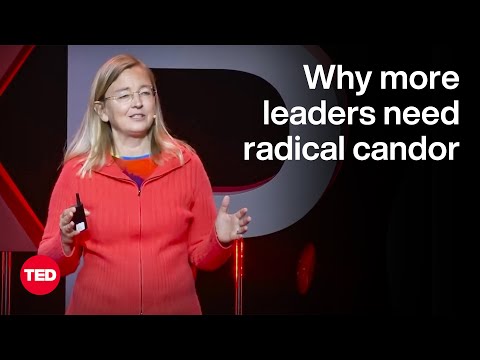
The Feedback Trap: Why 'Any Feedback?' Gets You Nowhere
Kim Scott defines Radical Candor as caring personally while challenging directly. Her practical test replaces a vague invitation with a sharper question: 'What could I do or stop doing that would make it easier to work with me?' The podcast exchange and the book show feedback as a request the receiver must design, not a ritual of polite deflection.

Sallie Krawcheck: The Money Stories That Quietly Compound
Sallie Krawcheck's banking career and Freakonomics' scrutiny of personal finance set the frame: everyday money choices sit between household behavior and formal investment advice. Humphrey Yang points viewers to Morgan Housel's The Psychology of Money; Ben Felix stresses how present spending compounds into future time. Academic work on money psychology and investor behavior confirms that beliefs, habits, and interest rates shape outcomes.

Railway Mania: The Bubble That Laid the Tracks for AI
Railway Mania was a 1840s British stock market bubble, and the written record gives the basic pattern: railway share prices rose, capital followed, and many lines could not justify the sums. Patrick Boyle begins in London's coffee houses, where speculative trading left plaques and memorials. Modern commentators return to that history to test whether AI data centers, bond markets, and tulip-style enthusiasm are repeating it.

You're Selling Seats. Your Buyer Is Counting Dollars.
Pricing conversations in B2B move between seat counts, flat fees, cost-plus math, competitor anchors, and perceived value. Madhavan Ramanujam frames the option set, while Ash Maurya warns that value pricing fails without a viable business model. External definitions confirm value-based pricing is market-driven and set by perceived outcomes, so implementation depends on packaging, segmentation, and sales discipline.

Disruption Is a Story We Tell Ourselves
Disruptive innovation describes entrants that create new markets or attack low ends and displace incumbents. The excerpts split between Lepore's skepticism, MIT's survival warning, and practitioners who classify incremental, disruptive, and radical work. The written record supplies definitions, while the speakers show how a framework becomes a budget argument, a classroom promise, and sometimes a cult.

Productivity Is Not a Straight Line
The dossier tests a simple claim: short breaks may restore concentration, but meeting breaks are not automatically productive. Nicole Forsgren's measurement caution and Liz Bohannon's engagement promise sit beside Rachelle's cyclical model and Reysu's trigger language. The cited microbreak study and Benati's labor-productivity paper sharpen the question: which breaks are measured, for whom, and against what output?
Charlie Munger's Inversion Playbook: Think Backwards, Choose Better
Charlie Munger's inversion habit works as a career filter: avoid obvious folly, repeat durable ideas, and let time do work that trading cannot. The clips mix tribute, market noise, and blunt judgments, while the written record places him inside value investing's longer lineage. Viewers hear a practical method, not a personality cult.

Bezos, Buffett, and the Costco Lesson Hidden in Shareholder Letters
Bezos's shareholder letters are read here as a working manual: long-term value, customer obsession, and candid measurement. The Founders podcast presses what Bezos is actually saying; Buffett commentators supply the value-investing frame, while a peer-reviewed review of both letter archives gives the discussion documentary footing. The speakers disagree about which principle matters most, yet they agree the letters reward close reading.

After the Deal Closes, Who Stays?
The dossier follows talent through mergers, acqui-hires, and post-deal integration. Jamie Hopkins recalls needing a first chance; a SpaceX exchange asks about talent after an IPO; a media report says a creative pair may not stay post merger. The references define M&A and acqui-hiring, but the transcripts show retention is decided person by person.

The Bond Vigilantes Are Back: France Is in the Crosshairs
Bond vigilantes sell debt when fiscal or monetary policy looks inflationary, pushing yields higher. Boyle traces the same pressure through central bank reserves and interest payments, while Gallo, Wigglesworth, Gary, and CNBC see policy, deflation, and balance sheets shaping the market. The written record confirms the term and its inflation focus, but the acts disagree on whether yields punish governments or merely price central bank choices.
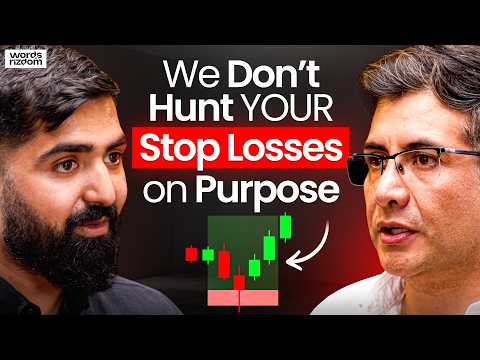
The Liquidity Grab: Who Really Wins When Money Tightens
Quantitative tightening drains reserves and money supply, but the interviews show liquidity is also taken through market structure: stop runs, Treasury demand shifts, and crypto funding. An ex-market maker describes institutional grabs, while CNBC and academic studies trace higher currency-adjusted Treasury costs and funding gaps. The real disagreement concerns who absorbs the bite. That question runs through every clip.

Your Feedback Script Will Fail: What Managers Really Do in Hard Conversations
This dossier treats the manager's feedback script as a practical document, not a personality test. Tim Ferriss and Sheila Heen describe the receiver's state and the giver's intent; InfoQ frames AI trade-offs as management decisions; Think Fast Talk Smart points to conflict beneath the surface; Sir Alex Ferguson's halftime example shows that no complete script survives the match. The useful script is prepared, adjustable, and accountable.

Feedback That Doesn't Blow Up: The SBI Method and the Step Most People Skip
Peter Boyd gives the SBI model its working sequence: situation, behavior, impact, then forecast. The Center for Creative Leadership literature defines the same three-part method, while Rick Bommelje's Listening Circle study shows peer feedback depends on listening as much as wording. The remaining clips turn that sequence into classroom prompts, leadership reminders, and scattered practice examples. No clip tests the forecast step in detail.

The One-Client Trap: GoPro, AI Clouds, and Your Paycheck
Concentration risk begins as a portfolio phrase and ends as a payroll problem. Liz Ann Sonders and Collin Martin frame diversification, D.J. Tierney points to mega-cap positions, and ClickHouse's CEO asks whether revenue concentration should worry investors. Nick Invests and The Money Guy Show move the same idea to jobs and retirement, while clearing and construction research shows client dependence can become structural vulnerability.

The Stranger Who Gets You Hired: Why Weak Ties Beat Close Friends
Janice Kaplan names the mechanism: luck arrives through people you are not closest to. Stephen Oommen links contradictions to conversations and opportunities. Job-search advisers split on tactics: help first, request coffee chats, but do not demand referrals, while other clips claim referrals dominate hiring. The research on interpersonal ties and referral activation explains why these claims coexist.

Stop Selling Hours: How Pricing Becomes the Product
The dossier follows a simple conflict: productized consulting promises repeatable packages, while clients pay for perceived economic value and speed. Ramanujam grounds pricing in a consulting practice; Saraev reduces the model to gross margin and acquisition; PM and finance voices add value capture, risk, and dynamic price pressure. Academic costing and value-based pricing references keep the conversation concrete.

The Gravitas Business: Who Decides Who Gets Heard?
The clips show executive presence being sold, taught, and tested in ordinary career settings. Maxwell links gravitas to speaking up; Warwick warns that weak leadership dilutes presence; LaCivita and Pande treat it as a hiring and development target. Das and Orban give the coaching market academic framing, while the speakers reveal how ambiguous the term remains.

Let AI Work the Night Shift: One Person, One Company, First $1,000
The dossier treats solopreneurship as a packaging problem. Captain Sinbad turns Salesforce marketing work into a productized skill; Zubair Trabzada starts from a laptop and Claude Code; Paul Lipsky pairs NotebookLM with Canva. The written references widen the frame: human dignity and one-person decisions show that autonomy carries governance costs as well as automation gains. Chris Koerner's sleep-run AI factory and Michael Normile's market view sit beside them.

Can a Side Hustle Really Make $60K in Month One?
The dossier tracks how side-business owners talk about first-month cashflow. A founder claims $60,000 in April revenue and $69,000 the next month. Gabrielle ties her tax practice to quitting a Big Four job. A creator challenges $30,000 claims. Ali Abdaal recalls building a business during medical school. Evan Carmichael recommends unscalable work. Verified references on cashflow frameworks and financing do not settle the benchmark question.

Measuring a SaaS Moat: Tracy Britt Cool and the Five M's
Across six clips, investors call a moat a competitive advantage, then disagree about how to measure it. Tracy Britt Cool puts moat first in a five-part screen, while commentary channels treat the term as shorthand for quality research. Raghavan's 2026 papers supply the missing structure: durability depends on architecture, and technology moats decay at measurable half-lives.

Bonds Were Supposed to Be Safe. Then the Rates Broke Everything.
Dr. Dicle shows how duration and credit risk can surprise bondholders. El-Erian warns that US fiscal capacity lets the global currency issuer wait, while Johannesburg illustrates infrastructure failure as a local risk. Risk parity research measures duration times spread, but the written mechanics cannot settle the market debate over who pays for bond stress.

The Conversion Trap: Why the Easy Win Costs More
Ash Maurya warns that free plans can postpone the revenue question until it becomes expensive. Mat Sorensen and Kevin Lum describe a parallel Roth conversion trap: one tax number can crowd out the full picture. Mike Sherrard and Nick Saraev show conversion rates rising only when follow-up and form intent are handled as concrete operations. Freemium metrics research says upgrade behavior must be measured.

The Investment You Never See: Munger's Opportunity Cost
Munger, Berkshire Hathaway's vice chairman from 1978 until his death, treated every investment as a comparison against the next best use of capital. The speakers show that rule in dividends, early bets, lump sums, and refused work. The written record adds a harder standard: conviction is not enough unless the investor names what the chosen path displaces.

The Price of Crash Insurance: What Safety Really Costs Your Portfolio
Dr. Dicle sets the baseline with variance and standard deviation, while the tail-risk literature defines the extreme losses beyond three standard deviations. Ben Felix and PensionCraft show how currency hedging and defensive positioning differ from crash insurance. CNBC's bank-trading disclosure and Gabrielle's inflation ETF segment widen the frame: the same portfolio can face market, currency, inflation, and counterparty exposure at once.

The Counteroffer Trap: When Resignation Leverage Backfires
The dossier tracks resignation as leverage and counteroffer as risk. USAFacts and CNBC describe the Great Resignation and quiet quitting, while PBS and WSJ frame exit and AI as job insecurity. Dr. Dicle names leverage and liquidity risk; the financial leverage paradox and Archibald Cox's resignation show that exit can be principled or costly. Workers weigh purpose, debt, and exhaustion against the bargaining value of leaving.

Powell’s Rate Shock Is Still Hitting Your Wallet
Powell’s unanimous hike and Yellen’s congressional hearing frame the inquiry: when policy rates rise, who absorbs the cost? Commentators trace pass-through to credit cards and maturing commercial debt. The interest rate ceiling literature adds a regulatory check: legal caps can redirect costs toward fees or tighter credit. The dossier keeps official rationale beside borrower experience.

Your FIRE Number Is a Moving Target
Bloomberg finds half of Americans lack a retirement target, while Kevin Lum stresses withdrawal order and income math. Toby Mathis counts four tax levers, and Simply Money frames early retirement through time and cruises. The FIRE movement's high savings rates and Estrada's one-number critique show why a single target cannot carry the whole plan, especially when Social Security timing enters.

Buffett's Free Leverage: The Insurance Money He Doesn't Own
The acts trace Berkshire's float from Blue Chip Stamps cash and The Plain Bagel's account of claims reserves to Bloomberg's claim that insurance is underappreciated. Old Money Luxury shows adjacent operators using insurance replacement infrastructure. The GEICO reference and Albrecht's note on insurance leverage under skew distributions anchor the spoken material, while market cap and private equity definitions stay separate from float.

Volatility Is the Price of Admission, Not a Punishment
The dossier follows a simple claim: daily price swings are not the same as permanent loss. Morgan Housel supplies the fee metaphor; Ben Felix and The Plain Bagel test it against downside protection and risk; Olivia Li, Toby Newbatt, and Professor G show how leverage, zero fees, and dividend screens redistribute the cost. The question is who pays the fee and when.