Curated Sub-Topic Tag
#Classic Novels
Verified primary-voice documentaries on Classic Novels, or enter a sharper question below to cut a new film live from 200M+ spoken records.
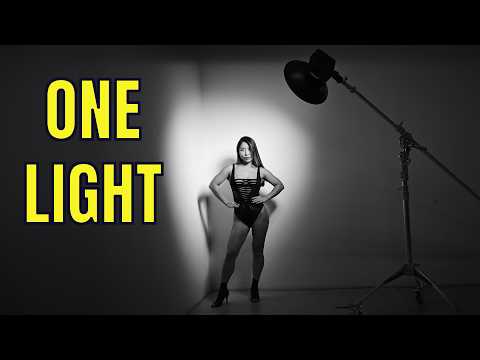
One Light Is a Lie: What Portraits Reveal About Shadows
Matt Granger tests a new flash through single light portraits. Hany Farid and Joel Simon explain why direction and exposure knowledge matter more than automatic settings. Luc Forsyth weighs compact interview key lights and cheap fixtures, while Five By Nine warns that concentrating all illumination from one source reshapes the room. The written references confirm that key light choice is both technical and compositional.

The Hero's Journey Is Your Story: Six Voices, One Myth
Campbell's monomyth supplies a durable map, but these excerpts show that map under pressure. A TED-Ed myth, a FIFA match, a Stranger Things audition, Steven Pressfield's artist's journey, brand advice, and villain theory disagree about who owns the story. The written record confirms Campbell's influence while leaving open whether one template can hold every hero, and that tension drives the dossier.

The Matter of Everyday Life: How Modern Epics Are Built
Joyce's Ulysses turns Homeric wandering into a modern epic of ordinary matter and civic life. The excerpts split that inheritance: Yale defines matter as everything; Coleridge warns about solitary modern readers; Greene and BBC test epic scale in genre fiction and games; Crash Course shows modern and hybrid structures in tribal governments. Epic Modernism and Irish nationalism explain why Joyce's structure became a literary and political claim.

The Solo Beyond the Page: What a Miles Davis Transcript Cannot Capture
The dossier treats the Miles Davis improvisation transcript as a partial instrument, not a score. The MIT lecture excerpt points to learning jazz through borrowed testimony; Mike Stern recalls a live encounter; Chaka Khan speaks of Prince as a poet; Dick Cavett catches Miles in televised banter. Scholarship on connective trance and racial identity supplies context for what the transcript cannot hold.

Who Gets to Rewrite the Odyssey?
The dossier tracks a practical question, which Odyssey should a reader open, through Ryan Holiday's Fagles memory, Mary Beard's Wilson recommendation, and online disputes about a 2017 translation. Academic references to Richmond Lattimore's Odyssey and its companion establish the older translation as a scholarly benchmark, while the clips show translation choice now doubles as cultural argument.
Kishotenketsu: Why the Best Stories Turn Before They End
Kishotenketsu is a four-part narrative frame: introduction, development, twist, conclusion. The dossier sets that definition beside six speakers who use structure in ordinary senses, from Yale's definition of matter to MIT's spring-break marker, Waitzkin's performance notes, NATO's command chart, Wandel's laminated arches, and Sypher's Minecraft raid. The written evidence anchors the frame; the voices show structure as a working problem.

The Taste Gap: Why Good Taste Makes Bad Work
Across six clips, taste is treated as a gate and a problem. Chris Williamson says beginners enter creative work with good taste, while a Google TechTalk describes measuring originality against generic material. Colbert calls a Melania film a creative experience, and PolyMatter argues radio lessons apply to any medium. Academic work on documentary selection and Navoi's originality supplies the written frame.

Creative Block Is Not a Willpower Problem
Creative block is a cluster of stoppages, not one diagnosis. A Coursera learner expects spontaneous ideas; Tommy Wood links creative skill to learning; an English lesson warns that stopping exploration closes a problem-solving tool; Minecraft builders test constraints; Neal Brennan and Arthur Brooks describe young people who do not know what blocks them. Written evidence adds that writer's block is non-medical and classroom attitudes can block creative thinking.

The Ghibli Food Effect: Why Drawn Meals Make You Hungry
Huberman and Kanoski describe oxytocin as an appetite brake. Zandi and ZOE locate cravings in psychology and bodily signals. Kim and Amati trace GLP-1, satiety, and reduced intake. Against those mechanisms, De Droog finds picture books can raise healthy food appeal among pre-schoolers, and Nishida reports shape variety boosts visual appeal. Ghibli meals work through image and desire before nutrition.

The First Draft Is Supposed to Be Garbage
Across these interviews, the first draft is treated as raw material, not a verdict. John Vorhaus separates writer from editor; Film Threat and UCTV call the draft simply a draft; Hemingway's garbage line and Scott Edelstein's writing-course definitions reinforce revision as the real work. Charlie Kaufman's produced screenplays and Chris LaMont's screenwriting teaching point to the same practical demand: keep moving until the pages can be improved.

The Massacre That Became a Ghost in Macondo
Across six clips, García Márquez appears as a name readers recognize: Ferriss lists him beside Shakespeare and Dostoyevsky, Tristan names One Hundred Years of Solitude, The Atlantic links him to magical realism, and Dhar Mann quizzes the title. The verified record supplies the harder history: the 1928 United Fruit strike at Ciénaga and the massacre that followed. The gap between recognition and historical detail is the dossier's subject.

Homer's Odyssey: The 2,700-Year Fight Over Who Wrote It
The dossier follows Wolf's 1824 death, Michael Weiss's claim that the hero's journey is dead, Johnathan Bi's script problem, a FIFA detour, and Bedtime & Historian's defense of human stakes. Verified references define the monomyth and the Odyssey's Homeric attribution. The speakers disagree about whether that template can contain the poem's power.

First Drafts: The Mess Before the Masterpiece
The dossier tracks first drafts as public performance: FIFA and NFL draft streams reward fast choices, KSI and Zerkaa improvise under audience pressure, Pinkbike tests unfinished hardware, and Tony DuShane rejects outlining. Written evidence from EDVAC and 'In the Waiting Room' shows first drafts are archival artifacts, not private rehearsals. Each act shows speed creating momentum and error at once, while written records preserve the unfinished version for later scrutiny.

Leonardo da Vinci: The Bastard Who Taught Europe to See
The spoken excerpts build Leonardo from birth records, illegitimacy, early training, painting, and attribution. The reference record confirms the wider polymath range, including anatomy and eight major works. Perspective is the editorial lens: how close observation connects the painter's eye to the anatomist's hand, even where the clips only imply that method.

Van Gogh Died Penniless. His Still Lifes Now Feed the World
The dossier follows Van Gogh through still lifes made in the Netherlands and Paris, where humble food and household objects became tests of color. Speakers circle his intensity: a friend fears he might implode, a host jokes about morning, a cook treats food as subject and sustenance. The palette is daily evidence of how he saw.

The Detail That Makes Ghibli Food Feel Real
Ghibli food scenes work because they are built from observable craft: fabric, tools, heat, and timing. Mina Le reads Haku's sleeves as formal dress with artistic license, while Gordon Ramsay and the Insider chef talk through kitchen procedure. The AI controversy sharpens the stakes: imitation can copy a look, but the verified references on Ghibli architecture, palettes, and Miyazaki's cooking scenes point back to specific made objects.

Jane Austen's Emma: The Truth She Won't See
The acts mix coaching promises with executive testimony: Kegley, Mindvalley, Kwik and Code Your English sell engagement and self-control, while Emma Grede treats failure as admission and Emma Walmsley ranks core growth. Austen criticism supplies a corrective: Emma's self-deception is social and visible, corrected through evidence and shame. The speakers rarely define growth, so the Austen references show why other people's judgments matter.

Anna Karenina's Fatal Railway
Across six clips, Anna Karenina's railway motif splits into romance, genre plot, and real disaster. A station meeting and a dance invitation carry Tolstoy's fatal attraction, while a book recommendation turns the train into a murder scene and CBC News reports DNA collection after a Spanish crash. The scholarly chapter 'The Train Ride' frames these links as a labyrinth.

Sell the Movie Before You Write Page One
Pedro Correa treats the pitch as a pre-page test, while Valeria Sanchez shows how a first page can lose an audience in seconds. Russell Palmer's AI screenplay experiment and the Elliot Page clips widen the frame: scripts are judged as products, performances, and adaptations. Rejection starts early, often before craft is visible. The written record on screenplay form and academic rejection reinforces the pattern.

Kubrick's Creeping Zoom vs. the Lens Spec Sheet
The six excerpts are gear reviews, not analyses of Stanley Kubrick. They argue over price, focal range, stabilization, and kit weight. The written record places Kubrick and The Shining in film history and treats the zoom lens as camerawork. The dossier's tension is clear: lens specifications can describe reach and cost, while Kubrick's technique depends on timing, story, and controlled camera movement.

The Smile You Can't Catch: Leonardo's Soft Edges and Hard Evidence
The clips treat sfumato as a visible trick: a face changes as you look, and Leonardo's notebooks sit beside drawings and equations. The written record narrows it to softened transitions and an out-of-focus plane, while restoration notes on damaged panels show why the effect is hard to verify. That is a claim about optics, not a verdict on attribution.

Kubrick's Perfect Symmetry Will Mess With Your Head
Indy Mogul supplies the dossier's only direct Kubrick claim: a balance and a symmetrical one-point perspective sensibility. The other excerpts drift into Gilead's shallow focus, SIP investing, a rental complaint, and TOEFL starters. Written references confirm Kubrick's stature and perfectionism, yet they cannot turn keyword collisions into visual analysis. The result is a documentary dossier about a real visual idea surrounded by search-result noise.

The Take You Can't Remember
Paola Baldion treats the best acting as unremembered, honest action, while Kristen Stewart describes directing as helping an actor express herself. Against those performance claims, Ben and Luke teach vocabulary through context and notes, and DeKoven's acting vocabulary supplies directing terms. The dossier asks how directors give notes that preserve honesty and still build a shared language.