Curated Sub-Topic Tag
#Writing & Storytelling
Verified primary-voice documentaries on Writing & Storytelling, or enter a sharper question below to cut a new film live from 200M+ spoken records.

What Survives When the Writing Advice Fails
Stephen King's On Writing makes craft advice personal: memoir, rules, and revision. The spoken excerpts show advice in use and in dispute. Anne Lamott reports two new stories; an IELTS teacher separates speech from writing; Gayle King disclaims therapy; Anthony Gramuglia attacks shallow representation. Together they ask which writing rules survive contact with practice, and who gets to enforce them.

The Outline Comes First, the Muse Comes Later
Patterson treats outlines as scaffolding for speed, while a surreal-numbers memoir records the first-draft stall as physical fact. Cuneiform and draft-day clips widen the term draft until it means selection, prototype, and earliest script. The dossier separates preparation from panic and asks what actually makes a fast first draft possible.

Churchill's Speeches: Anaphora, Parliament, and Wartime Persuasion
The dossier starts with History Hit's historian on Churchill and the RAF, then widens to auditory scene analysis, sermon rhetoric, and line-by-line speech criticism. Anaphora and Hart's study of Churchill's words supply the written frame. The spoken excerpts disagree on method but agree that delivery, repetition, and context decide whether rhetoric persuades.

Dario Amodei's Two-Year Warning: AGI Is Closer Than You Think
The dossier tracks Dario Amodei across enterprise fireside chat, UN briefing, Bloomberg interview, and Davos reaction. It contrasts his faith in deploying capable models with critics who call his timelines delusional and with Anthropic's 5% public-good pledge. Written references on existential risk, Brautigan's poetry, South Park, and Sam Altman's awkward summit moment frame the stakes without resolving them.

Six Stories, One Hidden Script: Why Everything Is a Three-Act Play
The dossier treats three-act structure as a working model, not a rule, and tests it against six spoken excerpts. One podcast states the template openly, while historical, wildlife, and news-adjacent clips show acts as edited selections: alliances fail, a patrol lands, cubs face cold. Syd Field's Setup, Confrontation, Resolution gives vocabulary, but the excerpts expose how much material sits outside the cut.

Whose Voice Is It Anyway?
The speakers treat voice as a learnable practice rather than a fixed gift. Gilbert discusses boundaries and newsletters, Adam drills passive constructions, Verba defines head voice, Tech Girl compares AI assistants, Mark warns that confidence is not volume, and Nichols links purpose to authenticity. Peer-reviewed work by Dingemanse and the 2015 writing study frames voice as deliberate craft, not ambient self-expression.

The Union That Took 150 Years, and the Printer Who Saw It Coming
Franklin's career joins literary imitation to civic organizing: he copied prose models, founded the Junto in 1727, and used printing and postal work to circulate information. Richard Kreitner notes that colonial union took a century and a half, while popular retellings reduce Franklin to saving tips or a Parkway namesake. The dossier follows those scales, from apprentice prose to public violence and back.
The Self Is a Story You Were Taught to Tell
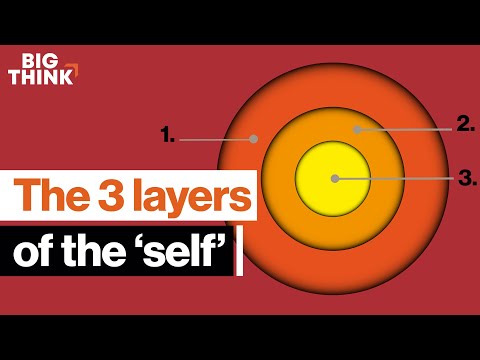
Narrative identity theory says people build a self by integrating experience into an evolving internal story. The speakers test that claim from different angles: Sam Harris roots the ego in early fear, Nadeen asks how much of a life was chosen, Tim Fletcher traces shame to unmet needs, and a mistaken ICE detention shows how official labels can override a person's own account.

Rapport Can't Be Hacked: The Quiet Power of Thousands of Strangers
The acts frame documentary interviewing as a craft of context and trust, not a formula. A Pixar director's long tenure, a Roman hospital's material detail, and Taylor Rooks's account of athletes trusting her show preparation and attention at work. Interview guides and videojournalism references agree on preparation, and Brandon Stanton sharpens the tension: technique can organize a conversation, but rapport must be earned.

The Voice That Held Britain: Churchill's Wartime Speeches
The dossier treats Churchill's wartime oratory as a persuasive instrument rather than a natural monument. Speakers circle his famous lines, his concentrated 1940 output, and the long historical frame Andrew Roberts stresses; academic work on propaganda, context, and dysphemism explains how words can alarm and unite. The real disagreement is whether repetition and moral clarity amount to strategy or fortunate timing.

The Strongest Magic Is Made of Words: Ursula K. Le Guin's Earthsea
Le Guin's own account is specific: Earthsea gave her a working parallel between wizards and artists. Around that primary voice, the dossier gathers claims from Mark Manson and writing instructors about craft, practice, and joy. The written reference fixes the career facts, while the spoken excerpts show how a speculative fiction writer turns invented systems into durable craft lessons.

Why You Say Yes Before You Think: The Quiet Spell of Persuasion
Jonah Berger turns persuasion into a question of wording: hard worker versus hardworking, be a leader versus lead more. Commentary acts connect that craft to narrative transportation, where stories absorb attention and feeling. Green and Brock, Jin Yan, and Appel give the research frame: immersion can shift beliefs, though the evidence also marks limits.

The Voice That Watches: Joan Didion and the Reporting Self
Didion's voice works as method: close observation, reserved syntax, documentary patience. Slouching Towards Bethlehem turns California scenes into evidence, while her New Journalism peers place her in a wider experiment with scene and perspective. The clips circle that problem unevenly, from grammar lessons and show-business greetings to Rosanne Cash being asked directly about writing voice. That mismatch is the dossier's subject.
Presence Is Not Charisma: How Influence Really Gets Built
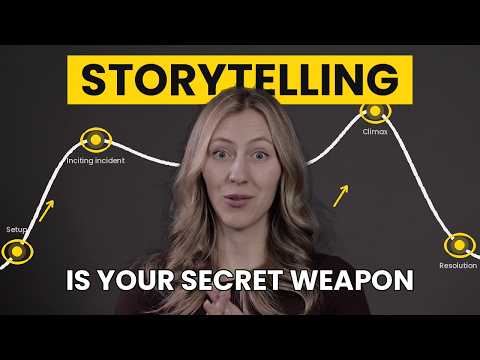
The excerpts treat boardroom influence as a craft of narrative and bearing. Francesca Psychology and Smarter While You Sleep describe presence based persuasion; Maxwell Leadership and Arise News stress reputation and sustained influence; Jacob Warwick ties negotiation to leadership presence. Academic work on executive presence and executive team wars confirms the stakes, while Arianna Huffington and The Dark Knight show public narrative can outrun the person.

Why Facts Don't Win Arguments: Aristotle's Persuasion Playbook
Aristotle's Rhetoric still explains why speakers win attention through character, emotion, and argument. Francesca Psychology shows how outlandish narratives seize control, while The School of Life calls audience influence by non-logical factors maddening. Philosophies for Life and The People Profiles frame Rhetoric as enduring craft, and Sobczak's study of Zelensky plus legal-rhetoric scholarship confirm ethos and pathos as working tools, not decorations.

The Nolan Trick AI Still Can't Copy
The dossier gathers Colbert's talk of history and vibes, Chandler's focus on Nolan's storytelling trademarks, Founders' account of unpredictable opportunity, and Roboverse's blockbuster praise. Academic work on Nolan and time supplies the frame: his editing turns chronology into dramatic material. Emma Thomas's producing partnership and Nolan's reputation for complex storytelling anchor these claims in production facts.

Writers Fear Your Verdict
The speakers treat audience fear as a practical publishing problem and as a convenient explanation. A Cambridge VR test locates fear in a familiar face; Master Samwise blames modern viewers; Gramuglia and Kennie J.D. show audiences sorted by gender and ideology. The cited writing guides return the question to intended readers, making the writer's projection visible.
Write the Script Before Reality Interrupts
Documentary voiceover tone begins as a production decision, not a postproduction polish. Luc Forsyth treats the script as a shooting guide; Hiam Abbass and Boyd Holbrook describe carrying its tone into performance; Battle Guide credits research and production support. Hullfish and Alburger frame narration as an analyzed, repeatable craft. The speakers show that tone is negotiated across writing, research, performance, and the credits that sustain production.

You Can't Schedule Attention
Only one spoken excerpt names Annie Dillard directly: David Perell calls her a favorite writer. The rest record routines built around congestion, exams, weekend organization, and self-belief. Against The Writing Life and Pilgrim at Tinker Creek, these clips show routine as scaffold and interruption rather than a recipe. The dossier keeps Dillard's written discipline beside ordinary people describing the days they actually have.

Every Tuesday Is a Hero's Journey
SpeakUp Sessions maps a day onto three acts, Film Courage doubts any fixed act count, and The Media Knights judge act two and act three by feel. Syd Field's Screenplay codifies Setup, Confrontation, and Resolution; Michael Tabb and a 2015 indexed guide extend the model. The dossier asks where the template clarifies craft and where it becomes a loose label.

The Script Isn't Written, It's Found
Across five excerpts, narration emerges as both constructed script and discovered material. Ray Roman asks how to structure a documentary script; Steven Knight says the work is finding what touches people; HasanAbi describes a CNN crew writing a documentary around him. Howard Carter's biography shows narration managing unknown childhood years, while Rosenthal's production notes and a 2013 guide supply method.

Why Tarantino Dialogue Sticks in Your Head
The dossier separates Tarantino's dialogue from the imitations that borrow only surface tics. Speakers argue over stolen style, simple versus fancy writing, and whether another director's dialogue resembles his at all. Reference works define Tarantinoesque films by violence, nonlinear structure, and film history, while dialogue scholarship reminds us that voice is built line by line. The tension is influence versus execution.