Curated Sub-Topic Tag
#Nutrition & Fasting
Verified primary-voice documentaries on Nutrition & Fasting, or enter a sharper question below to cut a new film live from 200M+ spoken records.
The Muscle Rules That Decide How You Age
Across these interviews, Andy Galpin treats muscle fiber training as practical biology: heavy, difficult work recruits fibers, fasted exercise can be tolerated, and strength protects ordinary movement. Radák's fiber-type physiology and Kupchak's flight-plus-workout damage data frame the claims. The speakers disagree less about biology than about how much mileage ordinary trainees can safely extract from it.

Why One Diet Doesn't Fit Every Gut
Fiber feeds gut microbes, but the effect depends on which microbes are present and how industrialized a person's diet has become. Elinav frames personalized responses; Hill contrasts fermented foods with fiber; Spector describes polyphenols as fuel; Gardner defends feeding trials; Klaper links fiber and antioxidants to vascular tone. The literature agrees on fiber's importance while leaving dose, source, and individual response unsettled.
Protein After 50: How Much Actually Builds Muscle?
Alan Aragon and Andy Galpin frame protein dosing as a practical question, while FoundMyFitness and Gabrielle Lyon tie muscle protein synthesis to metabolism and aging. Jeremy Ethier's whole egg comparison and the 2009 exercise review show that food form and training context matter. The literature on atrophy and mechanosensitivity adds a warning: aging changes the muscle's response as well as the recommended number.

The Mind Is Not a Machine: What Really Heals Mental Illness
The spoken excerpts describe mental illness through reasons to live, serotonin pharmacology, NIH history, FDA urgency, and clinical psychology. No excerpt names Ede or ketosis; the written record supplies a small refractory inpatient analysis and a 2025 editorial. Together they show plausible metabolic promise under supervision and a wide gap between clinical evidence and public certainty.

Your Muscles Are Repairing More Than You Think
Resistance exercise pushes mTORC1 signaling toward hypertrophy, yet the same session can trigger autophagy through stress and oxidative signals. Guido Kroemer names exercise as an autophagy stimulus; Thomas DeLauer points to AMPK and ULK in muscle. High Intensity Health adds circadian timing, TopHealth ties muscle mass to aging systems, and David Hood's mitochondrial work frames exercise as a cellular maintenance signal.

The Sleep Debt Delusion: What Creatine Can and Cannot Fix
Rhonda Patrick and Andrew Huberman describe mild sleep restriction as a performance problem. Thomas DeLauer cites pharmacology research linking sleep loss to worse mood and cognition, while Arianna Huffington and Andy Galpin connect the deficit to startup culture and late-night schedules. Recent studies test creatine and exercise as partial countermeasures; the evidence still points back to sleep itself.

Can Surgery, Diet, or a Pill Really Slow Aging?
The trial record here is a set of decisions: whether surgery can clear a brain tumor, whether amino acid restriction or curcumin deserves a randomized test, and how patients find trials. Peter Attia says diet evidence remains incomplete. Methodology references on NMN and trial design show why promising signals need dose, blinding, and controls before longevity claims travel.

The Dopamine Motivation Gap: What the Evidence Misses
Across six clips, Andrew Huberman, Read Montague, and Anna Lembke describe dopamine as central to motivation, expectation, and reward. Commentary clips turn that science into warnings about habits and dopamine debt. The written references support dopamine's role in reward and motivation-enhancing drugs, yet none of the excerpts supplies direct evidence that vitamin D changes human motivation.

Your Gut Is Talking. Here's What Happens When It Leaks
Rhonda Patrick and Andrew Huberman trace digestion to tight junctions, while Tim Spector links constipation to mood symptoms before diagnosis. Miguel Toribio-Mateas turns that biology into seven food strategies, and Pooja Kumar shows how food content can isolate as easily as connect. The literature supports associations among inflammation, nutrients, and mood, yet causation and everyday pathways remain contested.
Your Gut Is Running Your Immune System
Eran Elinav's work puts individual response at the center of diet and microbiome science. Simon Hill cites Stanford's fermented food trial, The Doctor's Kitchen traces refined grains through processing, and Rich Roll and Huberman guests connect dysbiosis to chronic inflammation. Reviews on Western diets and leaky gut support the mechanism, while ketogenic claims show how hard it is to isolate the microbiome.

Your Doctor Never Took This Class: What Anti-Inflammatory Food Really Does
Rupy Aujla says whole plants directly lower inflammatory markers, while Rich Roll notes hard exercise itself causes inflammation. Mark Hyman and others describe whole-foods and Mediterranean diets, and the literature links Mediterranean-style patterns and CRP to inflammation and depression. The dossier separates measured marker claims from broad wellness promises, since the speakers' confidence varies by claim and outcome.

Is Depression an Inflammation Problem? What Omega-3 Really Changes
The dossier follows one question: can lowering inflammation with omega-3s change depression? FoundMyFitness and John Krystal describe a two-way loop between inflammation and mood, while a 2019 meta-analysis supports omega-3 efficacy. Bill Harris cautions that late-life supplement trials may test damaged systems too late; vitamin D aging claims add nuance, and the speakers agree on a plausible signal, not on what a supplement can repair.
You're Not Just Losing Fat, You're Losing Muscle
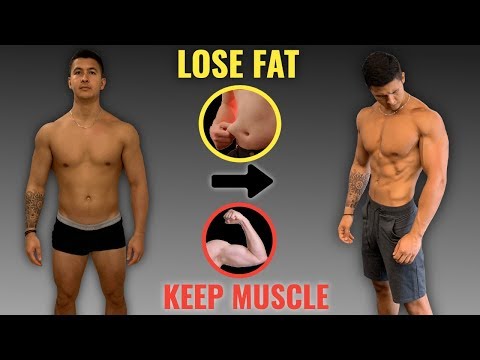
Jeremy Ethier and The Infographics Show treat muscle retention as a dieting design problem: pick resistance training for strength, not calorie burn, and build the deficit deliberately. Dr. Kevin Joseph and Dr. Eric Berg add the clinical stakes, especially around protein and age. The 2017 Advances in Nutrition review and 2020 Nutrients sarcopenia paper support their emphasis on protein and exercise during weight loss.
Can Food Change Multiple Sclerosis? Terry Wahls and the Diet That Divided Medicine
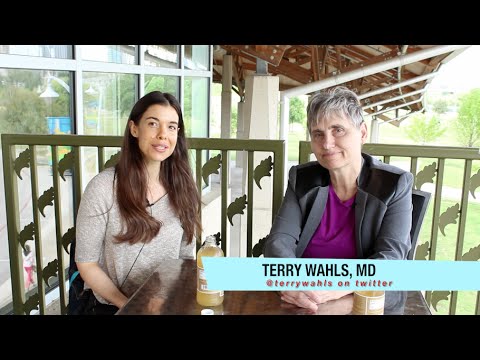
Terry Wahls turns her own multiple sclerosis case into a public diet protocol, while clinicians and reviewers ask which autoimmune claims survive scrutiny. The excerpts show a physician advocating food and lifestyle, a clinic founder promising autoimmune care, and skeptics pressing variety, condition-specific response, and evidence. Written reviews of diet and demyelinating disease keep the focus on mechanism and trial quality.
Lose Fat, Keep Muscle: The Diet Rules Most People Break
Jeremy Ethier starts with the wrong ways people diet. Mike Israetel keeps returning to what training and eating can preserve when fat loss begins. Across the Bryan Johnson interviews, Israetel separates personal experiments from universal advice. The dossier follows that practical tension: retention is a coaching problem, not a slogan. The spoken excerpts show instruction, diagnosis, and caution in the same room.