Curated Sub-Topic Tag
#人生の意味・実存
Verified primary-voice documentaries on 人生の意味・実存, or enter a sharper question below to cut a new film live from 200M+ spoken records.

Your Blood Pressure Is Whispering. Your Heart Hears Everything.
Laukkanen's cohort work and the Mayo review connect frequent sauna bathing with lower cardiovascular mortality, but the evidence is observational and Finnish. Blood pressure is the measurable hinge: clinicians describe severe hypertension and arterial strain, while commentary on potassium and vessel lining explains mechanisms. The dossier keeps the speakers' claims separate from the outcome data. A 2022 Finnish cohort adds systolic pressure as a modifier.

Nearly Half of Heart Attacks Arrive Without Warning. So What Kills Us Now?
Peter Attia treats the four horsemen as prevention problems requiring evidence: sudden cardiac death can be the first coronary symptom, while rapamycin, peptides, and longevity claims invite scrutiny. Richard J Murphy restores the historical four horsemen, conquest, war, famine, and death. The dossier keeps Attia's clinical warnings and podcast banter distinct, using peer-reviewed references as background checks.

The Meaningful Work Trap: Why Saving the World Can Burn You Out
Meaningful work draws people toward nonprofits, yet the same mission can consume them. Jenny Santi hears weekly requests from would-be nonprofit workers; a former lawyer documents quitting; Cal Newport rebuilds summer around deep work. Compassion fatigue research and happiness at work studies show mission alone does not protect workers. Recovery requires structure, limits, and honest measurement.
Your Grip Is a Warning, Not a Workout
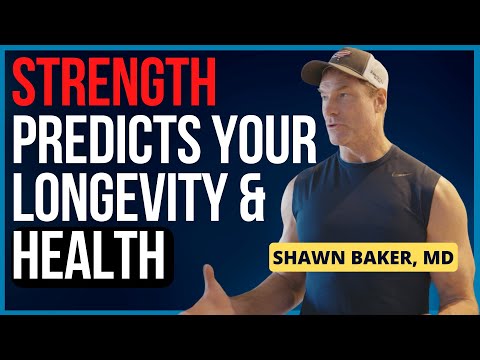
Shawn Baker, William Davis, Andrew Huberman, and fitness voices treat grip strength as a practical marker of muscle preservation. The literature is more specific: handgrip thresholds track all-cause, cancer, and cardiovascular mortality, while sarcopenia and strength data in older women sharpen the clinical question. The dossier separates correlation, measurement, and training advice. It keeps the speakers' claims audible while marking the evidence's limits.

15 Minutes a Day, or Too Much? The Longevity Evidence Is Messier Than You Think
The speakers describe mortality risk as a set of measurable inputs: fifteen minutes of activity, sleep duration, protein source, and jogging volume. The written record adds social exposure, linking loneliness and adverse childhood experiences to mortality across decades, while longevity basis risk warns that population models can miss individual lives.

Your Focus Is Going Extinct. Buddhism Saw It Coming
The witnesses split between clinical measurement and contemplative practice. Goleman calls focused attention endangered and says meditation offers answers; Headspace frames mindfulness as an end-to-end mental health platform; Mumford asks where stabilization ends and meditation begins. Buddhist sources describe bhavana and jhana, while clinical literature defines mindfulness as moment-by-moment awareness. The dossier tracks that translation and its costs.

Nietzsche's Most Dangerous Question: Is Your Morality Just Resentment?
YaleCourses places Nietzsche with Freud and Weber at the twentieth century's threshold, while Philosophy Vibe and Lex Fridman spell out master and slave morality. The lecture and commentary agree that moral language can conceal power, resentment, and rebranded weakness. Nietzsche's philology and 1844 to 1900 biography anchor the dossier; Darwin remains the inquiry's pressure test, not a quoted claim in these excerpts.

Sweat More, Live Longer? What Sauna Frequency Does to Your Heart
Laukkanen describes a JAMA cohort linking sauna frequency to cardiovascular and overall mortality. Huberman extends the discussion to stroke and other lethal events, while DeLauer and Søberg frame sauna as a cardiovascular adjunct. The Mayo Clinic review and 2021 Experimental Gerontology paper support plausible mortality and healthspan benefits, but causality, protocols, and at-risk safety remain unsettled.

Condemned to Be Free: The Choice That Makes Meaning
Existentialism was a mid twentieth century French and German movement, not a single doctrine. Sartre turns blank-slate freedom into a moral demand: not choosing is still a choice. Camus shares the absurdity problem, while Sartre's biography grounds the argument in Left Bank cafes. The Yale lecture adds the hard rule, and the School of Life portrait adds the body that lived it.

The 8-Hour Myth: Why Sleep Regularity Predicts Mortality Better Than Duration
Two cohort analyses put sleep regularity ahead of sleep duration for mortality prediction. Dan Pardi, Vinay Prasad, and Andrew Huberman frame that finding as physiology, study design, and clinical habit, while a 2024 Sleep paper and UK Biobank work supply the quantitative spine. The dossier keeps their verbatim claims visible, distinguishes measured risk from settled causal advice, and leaves the causal question open.

The Union That Took 150 Years, and the Printer Who Saw It Coming
Franklin's career joins literary imitation to civic organizing: he copied prose models, founded the Junto in 1727, and used printing and postal work to circulate information. Richard Kreitner notes that colonial union took a century and a half, while popular retellings reduce Franklin to saving tips or a Parkway namesake. The dossier follows those scales, from apprentice prose to public violence and back.
Schopenhauer's Quiet Rebellion: Why Morality Begins With Feeling, Not Rules
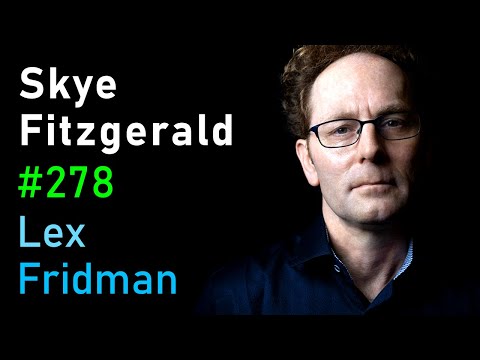
Schopenhauer's ethics begin with suffering shared across creatures, not with rules or duties. Lex Fridman and James Doty describe compassion as recognition of another's pain, while Jonny Thomson notes Schopenhauer's break from Kantian duty. The commentaries add a sharper claim: compassion interrupts the restless Will and becomes a practical rebellion against ordinary self-interest.

Would You Live This Life Again, Forever?
The dossier sets Nietzsche's eternal recurrence against six spoken excerpts and two scholarly references. A Yale lecture stresses that every moment belongs to the whole and that the Übermensch alone can embrace repetition. Johnathan Bi doubts a mystical reading; Psyphos links boredom to noise removed; Unsolicited Advice treats recurrence as a test of affirmation. The demon's question remains exacting: would you say yes to this life again?

What the Tibetan Book of the Dead Gets Right About Being Alive
Acts range from Craig Hamilton-Parker's natural stillness to Robert Waldinger's claim that impermanence relieves self-inflicted suffering. Aperture and Gigi Young explain the Tibetan Book of the Dead and etheric cord, while cult and refugee testimony shows doctrine under pressure. The written record agrees on anitya and Vajrayana roots, but speakers disagree about technique, authority, and what survives.

Afraid of Death? Epicurus Has a Strange Cure
The speakers treat death anxiety as a practical problem, not only a metaphysical one about oblivion. Scott Eilers names thanatophobia; Lex Fridman highlights its unsavory reactions; Epicurean commentary urges friendship and managed desire. Mitsis and Voorhoeve clarify Epicurus's claim that death is nothing to us, while the historical death scene tests whether pleasure and calm can survive the fear.
Yalom's Warning: The Fear of Death Is Shrinking Your Life
Yalom's Existential Psychotherapy treats death as one of four core givens, not a side symptom of pathology. The selected clips show death anxiety as ordinary fear, unsavory reaction, religious hunger, and unlabeled existential unrest. The written record supplies the clinical term thanatophobia while speakers trace how mortality fears enter medication, spiritual seeking, and daily coping.

You Are Not Your Thoughts: Mindfulness Beyond the Cushion
Manoj Dias and Gelong Thubten describe meditation as a practical response to ordinary pressure, not a retreat from it. Their accounts of teaching, attention, and monastic training sit beside Buddhist claims that suffering and ethical living are social facts. Zawidzki and Cassaniti help frame the tension: mindfulness can ease fast modern life while also demanding clear-eyed work on how attention feels and functions.

The Loneliness Epidemic Is Killing Us. It Didn't Have To.
Across six excerpts, creators and a U.S. senator describe loneliness as a public health problem shaped by social media, weak third places, and private strain. A 2.2 million person meta-analysis puts the mortality increase at 32 percent, yet one speaker says hardly anyone knows the risks. The unresolved question is remedy: ritual, policy, or individual effort, with speakers differing on how much each can do.

Sisyphus Cheated Death Twice. Camus Made Him a Hero.
Camus builds his absurdism around Sisyphus, the hero he names in the 1942 essay The Myth of Sisyphus. Speakers trace a French-Algerian novelist and Nobel winner confronting a daily loop of wake, work, eat, sleep, and an early revelation that effort may end in nothing. The question they leave open is how Camus thinks one should live once meaning is absent.

Breathing In Suffering: Tonglen and the Price of Compassion
Tonglen is defined as breathing in others' suffering and breathing out peace, yet the excerpts place compassion inside contested institutions: a sadistic guru, Tibetan exile politics, Chinese state claims, and meditation harm reports. Written references on Tara, diaspora compassion, and Tibetan Buddhist appeal sit beside the spoken claims. The dossier asks who controls transmission and what safeguards accompany it.