PastNoise
哲学・思考法·6 幕·7m 25s·2/6 一次音源·4 件の文献·Cut from 128 live hits

ショーペンハウアーの静かな反逆:道徳は規則ではなく感情から始まるSchopenhauer Compassion Ethics Suffering · 一次対談クリップ・対訳トランスクリプト

Schopenhauer's Quiet Rebellion: Why Morality Begins With Feeling, Not Rules

同情は心地よい感情ではなく、欲望する自己への反逆であるという六つの視点

Suffering Doesn't Need a Language

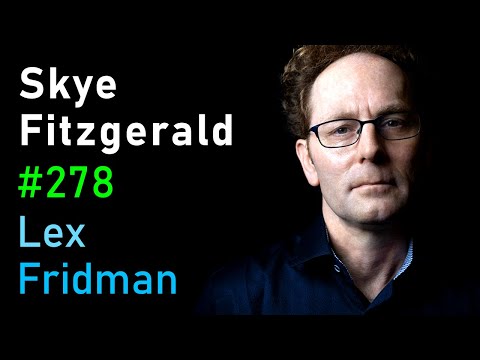
ACT I · Lex Fridman · 7m 25s

苦しみに言葉はいらない

人生には言語を超えるものがある

in life that that transcend language

00:00 / 07:25
0%
Highlights:
ACT I一次音源Lex Fridman · Apr 20, 2022

苦しみに言葉はいらない

レックス・フリードマンは、苦しみと同情は言葉を超え、共通の人間的事実であり続けると語る。

Click any timestamp to jump directly

30-Second Quick Reference · Verified Takeaways

6 幕 · 4 件の文献 · Last Verified Nov 21, 2026
  • 01ドティは同情を共感や憐れみと区別し、他者の苦しみの認識と定義する。
  • 02ショーペンハウアーは同情をカント的理性による義務ではなく、道徳の自然な源泉とみなす。
  • 03論評によれば、同情は個人的な絡み合いを制限し、意志の終わりなき欲望の循環を一時的に中断する。
  • 04Philosophies for Lifeは同情を単なる良い感情ではなく、苦しみへの一種の反逆と位置づける。
“ショーペンハウアーは同情を道徳の基盤と呼び、人生を苦しみと表現した。”

結論サマリー

ショーペンハウアーの倫理学は、規則や義務ではなく、生きとし生けるものに共有される苦しみから始まる。レックス・フリードマンとジェームズ・ドティは同情を他者の痛みの認識と捉え、ジョニー・トムソンはショーペンハウアーがカント的義務から離れた点を指摘する。論評はさらに鋭い主張を加える。同情は絶え間ない意志を中断させ、日常的な自己利益への実践的な反逆となる。

01

同情を正確に定義する

ジェームズ・ドティはまず、同情を共感や憐れみと切り離す。同情とは他者の苦しみを認識することだ、と彼は言う。レックス・フリードマンのクリップはその点を語彙の域を超えて押し進める。苦しみは苦しみであり、愛は愛であり、同情なのだ。次にショーペンハウアーの論者は、その認識に形而上学的な舞台を与え、同情は規則によって作られるのではなく自然に生じると主張する。文献はこの自然な共感を、ショーペンハウアーのより大きな悲観主義の中に位置づける。

ドティは実用的な定義を与え、ショーペンハウアーはそれに道徳的な重みを与える。
02

義務か、自然な共感か

ジョニー・トムソンは、ショーペンハウアーがカントと異なるのは倫理が義務から成らない点だと述べる。この対比は重要だ。ショーペンハウアーは道徳を理性的命令ではなく同情に置く。Philosophies for Lifeは「同情は道徳の基盤である」という率直な定式を引用する。仏教や儒教の思想家に関するオックスフォード・ハンドブックの言及は、この主張が比較の射程を持つことを示す。一方でドティの臨床的な言葉は、同情を認識可能な人間の反応に結びつけたままだ。

トムソンはショーペンハウアーの反義務の立場を鋭くし、ドティは依然として実践的な応答を含意する。
03

意志に抗する同情

Psyphosは絡み合いの少ない自己を描写し、そこから倫理的帰結を引き出す。ショーペンハウアーは同情が自然に生じると考えた。Philosophies for Lifeはさらに進み、意志が一時的に欲望を止め、同情が一種の反逆になると言う。これがこのコレクションの最も鋭い緊張だ。同情はドティにおいては日常的な認識であり、ショーペンハウアーにおいては自然な道徳的事実であり、論評においては disruptive な実践である。意志は残るが、苦しみへの応答は変わりうる。

同情は苦しみからの永続的な脱出を約束せずに意志を中断する。

一次証言の共通点

  • • ドティとショーペンハウアーはともに、倫理を抽象的な規則ではなく苦しみの認識に中心を置く。
  • • 論評は同情を単なる感情以上のものとして扱い、実践的な道徳的力を持つとする。

見解の分岐と注意点

  • • ショーペンハウアーは同情が自然に生じると言うが、彼の悲観主義はそれが自己利益を打ち負かす頻度を不明瞭にする。
  • • トムソンの反カント的読解はショーペンハウアーの義務拒否を鋭くする一方、ドティの定義は依然として苦しみへの応答を含意する。

関連テーマをさらに深掘り

Complete Timestamped Bilingual Transcript

Full 6-Act Spoken Transcript Archive

Click any timestamp to jump
ACT I · Lex Fridman · 31:16 - 32:07

苦しみに言葉はいらない

ACT II · Stanford Alumni · 00:00 - 01:35

同情は動詞であり、感情ではない

ACT III · Psyphos · 09:19 - 10:18

意志が静まるとき、同情が湧く

ACT IV · Jonny Thomson · 11:02 - 11:52

カントは義務を求め、ショーペンハウアーは同情を信じる

ACT V · Philosophies for Life · 12:43 - 14:18

芸術、断念、道徳:三つの出口

ACT VI · Philosophies for Life · 19:27 - 21:02

意志は取れと言い、同情は与えよと言う

Want sentence-level movie clips, connected-speech breakdowns, or daily spoken English drills instead of long-form interviews? Our sister tool WinkLingo is purpose-built for that workflow.

Key Questions & Reference Guide

Frequently Asked Questions

What are the core takeaways on Schopenhauer Compassion Ethics Suffering?

ショーペンハウアーの倫理学は、規則や義務ではなく、生きとし生けるものに共有される苦しみから始まる。レックス・フリードマンとジェームズ・ドティは同情を他者の痛みの認識と捉え、ジョニー・トムソンはショーペンハウアーがカント的義務から離れた点を指摘する。論評はさらに鋭い主張を加える。同情は絶え間ない意志を中断させ、日常的な自己利益への実践的な反逆となる。 Key insights include: ドティは同情を共感や憐れみと区別し、他者の苦しみの認識と定義する。 ショーペンハウアーは同情をカント的理性による義務ではなく、道徳の自然な源泉とみなす。

Which primary podcasts, lectures, and speakers are featured in this Schopenhauer Compassion Ethics Suffering screening?

This screening stitches 6 continuous acts featuring voices from Lex Fridman, Stanford Alumni, Psyphos, Jonny Thomson, Philosophies for Life. Every act separates primary voices from commentary and links directly to the original timestamp.

Where do experts agree and disagree on Schopenhauer Compassion Ethics Suffering?

Convergence: ドティとショーペンハウアーはともに、倫理を抽象的な規則ではなく苦しみの認識に中心を置く。 Open tension: ショーペンハウアーは同情が自然に生じると言うが、彼の悲観主義はそれが自己利益を打ち負かす頻度を不明瞭にする。

Does this Schopenhauer Compassion Ethics Suffering page include a searchable timestamped transcript and citations?

Yes. Open the Interactive Transcript tab to click any sentence and jump directly to that exact second in the video, export Obsidian/Notion reading notes, and verify 4 cross-referenced scholarly or encyclopedic citations including "Arthur Schopenhauer".

同じテーマの関連作品

哲学・思考法 →
The Zombie Trolley Problem: What Makes Matter Feel Like Anything?
哲学・思考法6m 50s

The Zombie Trolley Problem: What Makes Matter Feel Like Anything?

David Chalmers's hard problem asks why physical processing comes with subjective experience. Big Think clips show experts still lack a widely accepted answer, while Annaka Harris presses on how non-conscious matter yields felt experience from the inside. Joe Bart cautions that philosophical schools can persuade by exposure. A Bloomberg segment on Japan's women managers and a Blackmore introduction sit beside the core debate, reminding viewers that documentary context can drift.

6 幕3 一次音源4 件の文献
協力が生まれる「無限ループ」の正体
哲学・思考法4m 14s

協力が生まれる「無限ループ」の正体

MITの講義は「共通知識」を精緻な定義を要する前提として扱う。一方ピンカーは「私はあなたが知っていると知っている」という再帰的テストを提示する。フリーカノミクスは進化的調整を加え、ディアマンディスとグレイリンは米中競争を「シカ狩り」と呼ぶ。記録はこれらの主張を調整ゲーム、高次信念、信頼へと結びつける。

4 幕3 一次音源4 件の文献
Your Self Is a Construction: What Meditation Reveals About the Brain
哲学・思考法7m 10s

Your Self Is a Construction: What Meditation Reveals About the Brain

Compassion meditation turns a private practice into a measurable question: what changes in attention, mood, and the sense of a bounded self? Goleman describes beginners meeting loving-kindness; Suzuki reports lower stress and depressive symptoms; Davidson and Huberman frame the research; SciShow Psych links nonduality to weakened network rivalry. The literature on empathy and compassion gives the biological context.

6 幕3 一次音源4 件の文献
Your Mind Is the Hidden Market Risk
哲学・思考法5m 43s

Your Mind Is the Hidden Market Risk

The dossier follows bias from Tali Sharot’s future imagining to MIT’s expected utility lotteries and Dr. Dicle’s portfolio warning. Psychology’s definition of bias as systematic deviation supplies the through-line. The speakers disagree less about bias existing than about where to place doubt: in forecasts, in models, or in the stories psychics tell.

6 幕4 一次音源2 件の文献
The Prisoner's Dilemma Has a Loophole: Play Again
哲学・思考法8m 01s

The Prisoner's Dilemma Has a Loophole: Play Again

The prisoner's dilemma is a compact machine for showing how rational self-interest can produce mutual loss. YaleCourses notes that prior communication often fails to secure cooperation, while Carnegie Mellon's interrogation example and Vsauce2's snitching analysis make betrayal dominant. Diamandis counters that the world is multi-turn, and repeated-game research asks whether uncertainty, asymmetry, and reputation can make cooperation rational.

6 幕2 一次音源4 件の文献
セネカ『人生の短さについて』
哲学・思考法5m 50s

セネカ『人生の短さについて』

『人生の短さについて』は、ローマのストア派哲学者セネカが紀元49年頃、義父パウリヌスに宛てて書いた道徳的エッセイである。哲学者は時間の本質について多くのストア派の原理を提示する。すなわち、6つの独立した声を通じて、この私的な編集は語られた証言と書かれた参照を一つの途切れない糸に紡ぎ出す。

5 幕5 voices4 件の文献
ショーペンハウアーの静かな反逆:道徳は規則ではなく感情から始まる (Schopenhauer Compassion Ethics Suffering) · 一次対談クリップ・対訳トランスクリプト · PastNoise