Friedrich NietzschePhilosopher of Amor Fati, Value Creation & Overcoming
Friedrich Nietzsche challenged passive nihilism with Amor Fati (love of fate), self-overcoming, and the courage to forge personal meaning without borrowed crutches.
Curated Screenings Featuring Friedrich Nietzsche
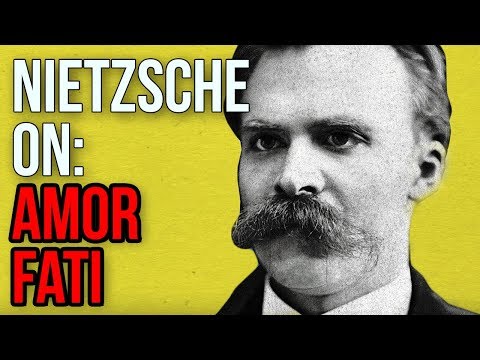
Love the Fate You Did Not Choose
Amor fati begins where resentment ends. Nietzsche’s phrase—love of one’s fate—does not deny pain, failure, or the machine that may displace us; it asks us to stop warring with necessity and to make even adversity material for affirmation. The spoken excerpts circle this same demand: say yes to life, accept everything, resist the identity crash by choosing love over anger. The written record adds the sobering context: a philosopher shaped by Schopenhauer and pessimism, aware that memory and mortality press on every yes.

The Stranger Who Signs Your Name
Jung's shadow is the unconscious portion of personality that falls outside the ego's self-image, so it returns as reaction, projection, and quiet coercion. The spoken acts trace this from the shock of not being in control to the discomfort of admitting an inner boundary has blurred. The written record, from Jung's dynamic Self to the shadow's resistance and projection, even a literature study of persona and shadow, confirms the same drama: wholeness begins when we stop outsourcing our darkness. What looks terrifying is often unowned life asking for citizenship.

The Last Freedom: Frankl's Quiet Revolution
Viktor Frankl's logotherapy reframes human existence around the search for meaning, not pleasure or power. His concentration-camp testimony and clinical method show that even in extreme suffering, the freedom to choose one's attitude remains. The spoken excerpts—from Peterson's reference to Frankl's book to the 'intention technique'—reveal how this idea has migrated from trauma wards to self-help stages. Yet the popularization risks flattening a hard-won philosophy into a slogan. The written record insists on something sterner: meaning is found in responsibility, not in comfort.
Frequently Asked Questions
What is the best way to study Friedrich Nietzsche's primary talks and ideas?
Instead of sifting through dozens of scattered 3-hour podcasts, start with the 3 stitched screenings below covering Amor Fati, Eternal Recurrence, Overcoming Nihilism, Self-Creation. Each includes clickable timestamped transcripts and external references.
Can I commission a custom screening on a specific Friedrich Nietzsche topic?
Yes. Enter any focused inquiry in the commission box below (for example: "Nietzsche eternal recurrence nihilism Thus Spoke Zarathustra") and PastNoise will assemble a private documentary live from primary talks and literature.
Related Thinkers
Commission a custom Friedrich Nietzsche screening
Suggested prompt: Nietzsche eternal recurrence nihilism Thus Spoke Zarathustra