Carl JungFounder of Analytical Psychology & Shadow Work
Carl Jung mapped the shadow self, archetypes, persona, and individuation, showing why unexamined unconscious patterns return as fate.
Curated Screenings Featuring Carl Jung

The Stranger Who Signs Your Name
Jung's shadow is the unconscious portion of personality that falls outside the ego's self-image, so it returns as reaction, projection, and quiet coercion. The spoken acts trace this from the shock of not being in control to the discomfort of admitting an inner boundary has blurred. The written record, from Jung's dynamic Self to the shadow's resistance and projection, even a literature study of persona and shadow, confirms the same drama: wholeness begins when we stop outsourcing our darkness. What looks terrifying is often unowned life asking for citizenship.

The Arithmetic of Suffering
Crime and Punishment is often called pro-suffering, but Dostoevsky does not bless pain; he exposes what happens when a mind tries to vault over conscience. Raskolnikov's crime begins as a theory about permissible exceptions and ends as isolation, illness, and the slow return of other people. The novel's serial publication in 1866 and its confessional lineage in Notes from Underground sharpen its warning: pride can become a cell, and suffering becomes human only when it turns us back toward the suffering we caused.
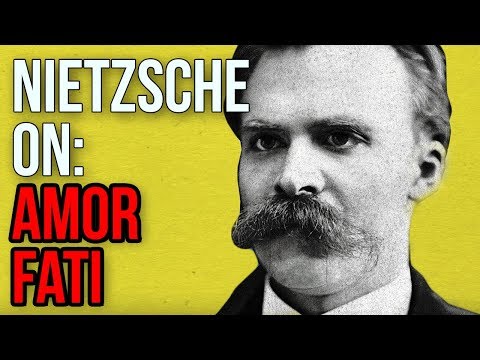
Love the Fate You Did Not Choose
Amor fati begins where resentment ends. Nietzsche’s phrase—love of one’s fate—does not deny pain, failure, or the machine that may displace us; it asks us to stop warring with necessity and to make even adversity material for affirmation. The spoken excerpts circle this same demand: say yes to life, accept everything, resist the identity crash by choosing love over anger. The written record adds the sobering context: a philosopher shaped by Schopenhauer and pessimism, aware that memory and mortality press on every yes.
Frequently Asked Questions
What is the best way to study Carl Jung's primary talks and ideas?
Instead of sifting through dozens of scattered 3-hour podcasts, start with the 3 stitched screenings below covering The Shadow Self, Individuation, Persona vs True Self, Archetypes. Each includes clickable timestamped transcripts and external references.
Can I commission a custom screening on a specific Carl Jung topic?
Yes. Enter any focused inquiry in the commission box below (for example: "Carl Jung persona archetypes individuation unconscious") and PastNoise will assemble a private documentary live from primary talks and literature.
Related Thinkers
Commission a custom Carl Jung screening
Suggested prompt: Carl Jung persona archetypes individuation unconscious