Curated Sub-Topic Tag
#資産形成・マネー
Verified primary-voice documentaries on 資産形成・マネー, or enter a sharper question below to cut a new film live from 200M+ spoken records.

お金は数学じゃない、心理だ
6つのインタビューを通じて、モーガン・ハウゼルは富を築くことと保つことを分けて考える。楽観とリスクがお金を生み、保守性がそれを守る。彼は嫉妬、レバレッジ、運がスプレッドシート以上に意思決定を形作る力だと指摘する。『The Psychology of Money』の記録には学術的な出典が索引付けされているが、語られた断片には実践的な議論がある。

ビッグバンは「始まり」ではなかった。証拠が語る宇宙の起源
宇宙インフレーション理論が、ビッグバンの難題を解決するための「修正」から、証拠を探る「探査」へとどう移行したかを追う。MITの講義資料、ローレンス・クラウスによる「実現不可能な加速器」の指摘、イーサン・シーゲルによるビッグバン以前の時代の考察。一方で、アーヴィン・アッシュはビッグバン模型が起源を説明しないと警告する。文献は、インフレーションが指数関数的な初期膨張であることを認めつつ、その原因と検証可能性を未解決のままにしている。

The Dollar Runs on Trust. What Happens When Trust Cracks?
Ray Dalio treats money as a question, investing as a repeated mantra, and reserve currencies as a geopolitical signal. Bridgewater’s scale and Dalio’s indexed dialogues give the claims weight, while the clips leave inflation hedging implicit: the real hedge is understanding debt cycles, diversification, and regime change before prices force the issue. The dossier separates the public principle from the implementable trade.

Sallie Krawcheck: The Money Stories That Quietly Compound
Sallie Krawcheck's banking career and Freakonomics' scrutiny of personal finance set the frame: everyday money choices sit between household behavior and formal investment advice. Humphrey Yang points viewers to Morgan Housel's The Psychology of Money; Ben Felix stresses how present spending compounds into future time. Academic work on money psychology and investor behavior confirms that beliefs, habits, and interest rates shape outcomes.

Your Cash Is Quietly Shrinking: What Actually Beats Inflation?
The dossier sets fund marketing against portfolio theory. Gabrielle and Diamond NestEgg ask retail investors to position for rising prices, while Balaji Srinivasan says bitcoin has not yet acted as an inflation hedge in the charts. Ben Felix reframes inflation as a future consumption problem, and the allocation literature supplies the risk balancing frame.

The Emotional Bank Account: What Money Withdraws From a Marriage
The speakers talk about bank accounts literally: frozen joint funds, 99 cents, overdrafts, creditor locks. The written record adds Covey's metaphor of trust deposits and McBath's comparison of Covey with Freire's banking model. Together they show marriage as a place where legal, financial, and emotional accounts are debited by the same conflicts.

Paper Money Blues: Why Inflation Feels Like Bleeding the Market
The inquiry is Song dynasty paper money inflation, but the spoken excerpts circle the same mechanics in modern dress: a note is a promise, inflation measures its erosion, and money creation is contested. The written record supports the first point, describing paper money as a negotiable promissory note payable to bearer and noting Qing paper circulation beside copper and silver.

Why CPI Misses Your Rent Pain
The clips show CPI as both teaching tool and market signal, with shelter treated as a stubborn component that arrives late. Laurence Ball's 2025 work on market rents and CPI shelter inflation gives the lag a documented mechanism, while the speakers split over whether headline CPI captures housing stress. Colbert's 8.5 percent and Breaking Points' local housing complaint sit beside Saylor's critique of conventional CPI.
The Catholic Priest Who Predicted the Big Bang
Cosmic inflation describes an early exponential expansion, not the Big Bang's origin story. Primordial fluctuations, density variations in that early universe, are the leading explanation for structure. The speakers split between textbook caution, cosmological evidence, and popular narration: Arvin Ash separates expansion from origins, Cool Worlds and Sleepy Science trace quantum seeds, and Perlmutter asks how strong the evidence really is.

The Ledger That Made Money Modern
Double-entry bookkeeping records every transaction as equal and opposite entries. The speakers treat it less as a clerk's technique than as a foundation for money, banking, and institutional trust. The Medici Bank shows the method at commercial scale, while the lectures disagree about how much accounting creates money and how much it merely records risk.

Central Banks Say They Beat Inflation. The Charts Say Otherwise
The dossier separates inflation targeting from inflation victory. Murphy questions central bank claims, Denmark shows a peg creating a liquidity problem, Ethiopia reports easing at 14.9%, and U.S. swap lines reveal dollar access as foreign policy. The written record defines targets and policy constraints, while the spoken excerpts show officials and markets negotiating credibility, supply shocks, and scarce safe assets.

The Wage-Price Spiral Is Not What You Think
The wage-price spiral is a real macroeconomic feedback loop, but these clips show a messier fight over sequence and blame. Wolff frames prices and wages together; CNBC describes companies passing labor costs onward. Dutch research flags spiral risk while practitioner debate on the profit-price spiral points to margins. Barbers and Tesco receipts keep the argument concrete.

朝のコーヒーが、あなたの純資産を静かに決めている
どの動画にも共通する前提は「小さなルーティンが複利で効く」ということ。ローズ・ハンは一発逆転のリスクを否定し、一貫性が勝ると説く。スマート・マネー・ブロは午前5時神話を拒否。キム・フォスターは「磁力」を努力のなさと表現する。フォッグの『Design for Emotion』と1998年の説得工学論文は、問いを「願望」から「メカニズム」へと移す。すなわち、アンカー、能力、プロンプト、祝福、そして測定可能なフォローアップだ。人気クリップは結果を売り、文献は設計条件と評価を明示する。
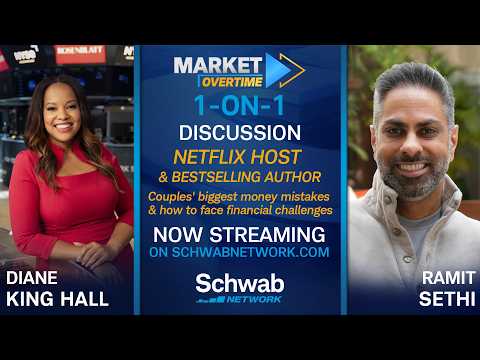
The Money Talk Couples Keep Avoiding
These six clips show money talk as both a household negotiation and a language exercise. Ramit Sethi and The Humble Penny name the risks of separate accounts and financial conflict. Nyman's research on couples sharing money and Rinaldo's work on gendered religious scripts explain why those risks persist. The English lessons supply vocabulary and polite phrases, but they seldom rehearse the specific numbers, debts, and decisions couples must face.

The 250-Gram Escape: How Drone Pilots Outfly the FAA
Drone regulation is treated here as a practical condition of flight, not an abstraction. A Bloomberg panel asks operators what the rules mean for commercial work. CNBC shows racing's $100,000 stakes, and rctestflight tracks Remote ID and a 230-gram autonomous wing. Academic surveys of UAV regulation and India's rules confirm the same friction: safety oversight, enforcement, and market incentives arrive together.

The Boring Fund That Keeps Beating the Pros
Tae Kim and The Money Guy Show treat low fees and broad market exposure as the core engine. Woven Deal describes the compounding loop, while Ben Felix flags the psychological pull toward more than the plain market return. Public wealth-distribution data and the record SpaceX IPO show ownership can create vast gains, but access and patience remain uneven.

Buffett's Free Leverage: The Insurance Money He Doesn't Own
The acts trace Berkshire's float from Blue Chip Stamps cash and The Plain Bagel's account of claims reserves to Bloomberg's claim that insurance is underappreciated. Old Money Luxury shows adjacent operators using insurance replacement infrastructure. The GEICO reference and Albrecht's note on insurance leverage under skew distributions anchor the spoken material, while market cap and private equity definitions stay separate from float.

Who Takes a Cut Every Time Money Moves? Six Centuries of Hidden Fees
The Medici Bank made bills of exchange central to Renaissance finance, yet the spoken excerpts show a recurring argument: intermediaries charge for access, and institutions shift risk. Manuscript 495 and fraud case law give bills legal weight as paper promises. The dossier follows that paper trail into modern remittance fees, swap counterparties, quick-cash lending, and public energy bills.