01
知覚とプログラマーの対立
ドナルド・ホフマンはBig Thinkで、知覚は真実を隠すと語る。これはシミュレーション仮説も指摘する点だ。しかし彼は、仮説が想定するプログラマーの存在をめぐって仮説と決別する。文献はシミュレーションを模倣的表現と定義し、広範な議論があると注記する。チャタジーの死についての冒頭はこうした主張の隣に置かれ、ドキュメンタリーを人間的な利害に根づかせながら、形而上学的な議論は未解決のままにする。
ドナルド・ホフマンは隠された現実とプログラマーという発想を切り離す。
Are We Living in a Simulation? The Brain, the Doubt, and the Glitch in the Proof
神経科学者は死と向き合い、哲学者は感覚を試し、宇宙の誤差がシミュレーション説を生かし続ける。何が本当の証拠になるのか。

ACT I · Dr Rangan Chatterjee · 5m 24s
脳科学者は死に何を見るのか
まずは死について話すことから始めようと思った
I thought we'd start off by talking about death
チャタジーは、現実そのものが本物かと問う前に、死について語り始める。
30-Second Quick Reference · Verified Takeaways
6 幕 · 4 件の文献 · Last Verified Nov 21, 2026“2013年、アニル・セスとランガン・チャタジーは、現実が本物かどうかを問う前に、まず死について語り始めた。”
結論サマリー
この資料は、シミュレーション仮説を、知覚科学、デカルトの懐疑、古代文献に関する主張と照らし合わせて検証する。ドナルド・ホフマンは、私たちが真実を見ていないという点では同意するが、外見の背後にプログラマーがいるという考えには異を唱える。文献はシミュレーションを広く定義し、未解決の議論があると指摘する。一方、登壇者たちは生きた知覚と形而上学的な証明を切り離して論じる。
ドナルド・ホフマンはBig Thinkで、知覚は真実を隠すと語る。これはシミュレーション仮説も指摘する点だ。しかし彼は、仮説が想定するプログラマーの存在をめぐって仮説と決別する。文献はシミュレーションを模倣的表現と定義し、広範な議論があると注記する。チャタジーの死についての冒頭はこうした主張の隣に置かれ、ドキュメンタリーを人間的な利害に根づかせながら、形而上学的な議論は未解決のままにする。
アレックス・オコナーは、デカルトの懐疑の戦略が三つの波となって訪れると説明する。それぞれの波が別の確実性を剥ぎ取り、最後には何かが残るのかという問いになる。この部分はその問いを解決しない。代わりに、後のシミュレーションに関する主張を慎重に聞く準備を視聴者にさせる。徹底的な懐疑は、計算された世界の積極的な証拠を与えることなく、現実を揺るがすことができるからだ。
リズワン・ヴァークのインタビューは古代文献を確証として枠づける一方、MostAmazingTop10は宇宙放射線を持ち出し、その信号は正確なのかと問う。文献はシミュレーション、多元宇宙、地球外知性を、DOIの出所を持つ際立った宇宙理論として列挙するが、証拠の問題を解決はしない。ドキュメンタリーはこれらの主張を主張として提示すべきだ。解釈と測定では、証明の負担が異なるからだ。
関連テーマをさらに深掘り
Complete Timestamped Bilingual Transcript
Want sentence-level movie clips, connected-speech breakdowns, or daily spoken English drills instead of long-form interviews? Our sister tool WinkLingo is purpose-built for that workflow.
Key Questions & Reference Guide
この資料は、シミュレーション仮説を、知覚科学、デカルトの懐疑、古代文献に関する主張と照らし合わせて検証する。ドナルド・ホフマンは、私たちが真実を見ていないという点では同意するが、外見の背後にプログラマーがいるという考えには異を唱える。文献はシミュレーションを広く定義し、未解決の議論があると指摘する。一方、登壇者たちは生きた知覚と形而上学的な証明を切り離して論じる。 Key insights include: ドナルド・ホフマンは、知覚が真実を示さないという点では同意するが、シミュレーション仮説が想定する画面の向こうのプログラマーは否定する。 オコナーはデカルトの三つの懐疑の波を説明し、徹底的な懐疑の中でも何かが残るのかを視聴者に問いかける。
This screening stitches 6 continuous acts featuring voices from Dr Rangan Chatterjee, More Alex O'Connor, Danny Jones, Big Think, NOVA PBS Official. Every act separates primary voices from commentary and links directly to the original timestamp.
Convergence: 知覚は直接的な真実を届けない。ホフマンもNOVAも、進化によって構築された経験を描写している。 Open tension: ホフマンはシミュレーションの隠された現実を受け入れるがプログラマーは否定する一方、ヴァークの古代文献の枠組みは確証に傾く。
Yes. Open the Interactive Transcript tab to click any sentence and jump directly to that exact second in the video, export Obsidian/Notion reading notes, and verify 4 cross-referenced scholarly or encyclopedic citations including "Simulation hypothesis".

David Chalmers's hard problem asks why physical processing comes with subjective experience. Big Think clips show experts still lack a widely accepted answer, while Annaka Harris presses on how non-conscious matter yields felt experience from the inside. Joe Bart cautions that philosophical schools can persuade by exposure. A Bloomberg segment on Japan's women managers and a Blackmore introduction sit beside the core debate, reminding viewers that documentary context can drift.

MITの講義は「共通知識」を精緻な定義を要する前提として扱う。一方ピンカーは「私はあなたが知っていると知っている」という再帰的テストを提示する。フリーカノミクスは進化的調整を加え、ディアマンディスとグレイリンは米中競争を「シカ狩り」と呼ぶ。記録はこれらの主張を調整ゲーム、高次信念、信頼へと結びつける。
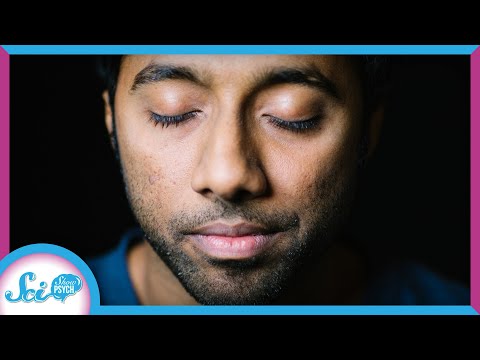
Compassion meditation turns a private practice into a measurable question: what changes in attention, mood, and the sense of a bounded self? Goleman describes beginners meeting loving-kindness; Suzuki reports lower stress and depressive symptoms; Davidson and Huberman frame the research; SciShow Psych links nonduality to weakened network rivalry. The literature on empathy and compassion gives the biological context.

The prisoner's dilemma is a compact machine for showing how rational self-interest can produce mutual loss. YaleCourses notes that prior communication often fails to secure cooperation, while Carnegie Mellon's interrogation example and Vsauce2's snitching analysis make betrayal dominant. Diamandis counters that the world is multi-turn, and repeated-game research asks whether uncertainty, asymmetry, and reputation can make cooperation rational.

The dossier follows bias from Tali Sharot’s future imagining to MIT’s expected utility lotteries and Dr. Dicle’s portfolio warning. Psychology’s definition of bias as systematic deviation supplies the through-line. The speakers disagree less about bias existing than about where to place doubt: in forecasts, in models, or in the stories psychics tell.

『人生の短さについて』は、ローマのストア派哲学者セネカが紀元49年頃、義父パウリヌスに宛てて書いた道徳的エッセイである。哲学者は時間の本質について多くのストア派の原理を提示する。すなわち、6つの独立した声を通じて、この私的な編集は語られた証言と書かれた参照を一つの途切れない糸に紡ぎ出す。