PastNoise
Literature & Arts·6 acts·5m 16s·6 Perspectives·2 citations·Cut from 992 live hits · 1 ads stripped

Why Scorsese's Camera Never Stands StillScorsese Moving Camera Psychology · Primary Podcast Clips & Verified Transcript

Movement is not decoration. It is how panic, guilt, and memory become physical on screen.

Carrying a Generator for the Maysles

ACT I · WSJ. Style · 5m 16s

Carrying a Generator for the Maysles

I wasn't very athletic, but

00:00 / 05:16
0%
Highlights:
ACT ICOMMENTARYWSJ. Style · Oct 18, 2023

Carrying a Generator for the Maysles

Scorsese remembers carrying a generator before seeing his name in credits.

Click any timestamp to jump directly

30-Second Quick Reference · Verified Takeaways

6 acts · 2 citations · Last Verified Nov 21, 2026
  • 01Scorsese's camera circles a man as he turns and tries to explain his wife's sickness, while other figures enter from left and right.
  • 02The New York Times scene shows movement doing psychological work: the frame admits witnesses and pressure as the character pivots.
  • 03Techmoan's gimbal test finds moving footage acceptable but reveals jitter once the camera stops, a real stabilization trade-off.
  • 04Seth Rogen hired a hidden second camera crew in case Scorsese asked for coverage, evidence of Scorsese's demand for multiple angles.
“Scorsese's camera often moves while his characters explain themselves, and the frame keeps admitting other people.”

Core Synthesis

The dossier follows Scorsese's camera as a social instrument, not just a technical one. In Anatomy of a Scene, circling movement lets other figures enter the frame while a character explains his wife's illness, making space itself part of the pressure. Camera reviews and academic histories of the moving image supply the counterweight: motion creates lure, but stopping can expose jitter and loss of control.

01

Circling as Social Pressure

Anatomy of a Scene supplies the clearest case. Scorsese's camera circles a man as he turns in circles, and other figures come into frame from left and right while he tries to explain that his wife is sick, which the scene calls an understatement. Movement turns explanation into public pressure. Academic work on the moving camera's lure helps explain the frame's activity, but blocking and timing carry the force.

Movement turns explanation into spectacle, with witnesses entering the frame.
02

Coverage and Hidden Crews

Seth Rogen's Late Show anecdote is about infrastructure. He said, 'I hired a whole second camera crew,' hid them in a hotel room, and waited to see if Scorsese would ask, 'Where's the second camera?' The joke confirms a working expectation: Scorsese wants coverage and notices its absence. Scorsese's own first-job memory of carrying a generator adds a humbler note about labor behind the image.

Scorsese's expected second angle becomes a joke about directorial control.
03

Motion Versus Stability

Techmoan's gimbal review provides the counterexample. He says the moving video looked 'kind of okay' but was surprised by 'how much jitter there was when the camera stopped moving.' Peter McKinnon's remark that even up high 'it's moving that camera' keeps the focus on operation. The Top10 clip of a figure moving toward the camera shows how motion alone can manufacture suspense. Academic histories treat such motion as a constructed lure.

The moving camera creates lure, but stopping exposes mechanical limits and jitter.

Where Voices Converge

  • • Camera movement is purposeful in Scorsese's scenes: circling and entering figures shape attention and pressure.
  • • Moving images depend on mechanics and control; academic histories and camera tests both treat motion as constructed, not neutral.

Nuance & Unresolved Tension

  • • Movement can reveal social pressure, yet camera tests show stopping can produce jitter and instability.
  • • Scorsese's reputation for multiple coverage sits uneasily with the single moving frame's selective attention.

Explore Related Questions

Complete Timestamped Bilingual Transcript

Full 6-Act Spoken Transcript Archive

Click any timestamp to jump
ACT I · WSJ. Style · 01:33 - 02:14

Carrying a Generator for the Maysles

ACT II · The New York Times · 00:58 - 02:22

The Camera Circles Around a Sick Wife

ACT III · Peter McKinnon · 08:46 - 09:30

Keep Rolling While Tying Your Shoe

ACT IV · Techmoan · 26:18 - 27:20

Small Gimbals Can't Hide Micro Jitters

ACT V · The Late Show with Stephen Colbert · 01:44 - 02:25

Stashing a Second Crew for Marty

ACT VI · MostAmazingTop10 · 57:33 - 58:17

The Empty Room and the Cane Figure

Want sentence-level movie clips, connected-speech breakdowns, or daily spoken English drills instead of long-form interviews? Our sister tool WinkLingo is purpose-built for that workflow.

Key Questions & Reference Guide

Frequently Asked Questions

What are the core takeaways on Scorsese Moving Camera Psychology?

The dossier follows Scorsese's camera as a social instrument, not just a technical one. In Anatomy of a Scene, circling movement lets other figures enter the frame while a character explains his wife's illness, making space itself part of the pressure. Camera reviews and academic histories of the moving image supply the counterweight: motion creates lure, but stopping can expose jitter and loss of control. Key insights include: Scorsese's camera circles a man as he turns and tries to explain his wife's sickness, while other figures enter from left and right. The New York Times scene shows movement doing psychological work: the frame admits witnesses and pressure as the character pivots.

Which primary podcasts, lectures, and speakers are featured in this Scorsese Moving Camera Psychology screening?

This screening stitches 6 continuous acts featuring voices from WSJ. Style, The New York Times, Peter McKinnon, Techmoan, The Late Show with Stephen Colbert. Every act separates primary voices from commentary and links directly to the original timestamp.

Where do experts agree and disagree on Scorsese Moving Camera Psychology?

Convergence: Camera movement is purposeful in Scorsese's scenes: circling and entering figures shape attention and pressure. Open tension: Movement can reveal social pressure, yet camera tests show stopping can produce jitter and instability.

Does this Scorsese Moving Camera Psychology page include a searchable timestamped transcript and citations?

Yes. Open the Interactive Transcript tab to click any sentence and jump directly to that exact second in the video, export Obsidian/Notion reading notes, and verify 2 cross-referenced scholarly or encyclopedic citations including "From Automaton to Movie Camera".

More Documentaries in This Topic

Literature & Arts →
What Survives When the Writing Advice Fails
Literature & Arts7m 36s

What Survives When the Writing Advice Fails

Stephen King's On Writing makes craft advice personal: memoir, rules, and revision. The spoken excerpts show advice in use and in dispute. Anne Lamott reports two new stories; an IELTS teacher separates speech from writing; Gayle King disclaims therapy; Anthony Gramuglia attacks shallow representation. Together they ask which writing rules survive contact with practice, and who gets to enforce them.

6 acts2 primary4 citations
The Outline Comes First, the Muse Comes Later
Literature & Arts6m 58s

The Outline Comes First, the Muse Comes Later

Patterson treats outlines as scaffolding for speed, while a surreal-numbers memoir records the first-draft stall as physical fact. Cuneiform and draft-day clips widen the term draft until it means selection, prototype, and earliest script. The dossier separates preparation from panic and asks what actually makes a fast first draft possible.

6 acts3 primary4 citations
The Color You See Is a Story Your Brain Tells
Literature & Arts6m 47s

The Color You See Is a Story Your Brain Tells

MIT's lecture begins with lightness, then color. Beau Lotto says every behavior reduces uncertainty. Matisse's 1896 table and 1905 window show color shifting with context. Crash Course traces shared motifs across cultures, while Ed Cooke names the phenomenology of shade. Written references confirm color is relational, produced by cone activation, and synesthesia cross-wires senses. Together they argue perception is active, embodied, and historical, not a simple readout of matter.

6 acts5 primary2 citations
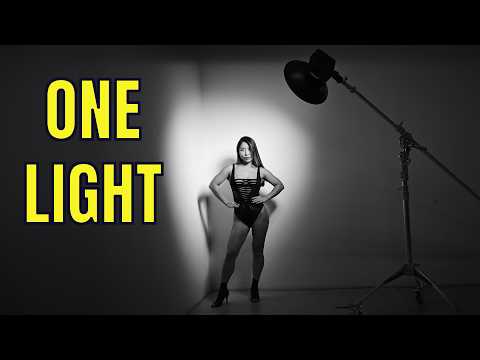
One Light Is a Lie: What Portraits Reveal About Shadows
Literature & Arts6m 22s

One Light Is a Lie: What Portraits Reveal About Shadows

Matt Granger tests a new flash through single light portraits. Hany Farid and Joel Simon explain why direction and exposure knowledge matter more than automatic settings. Luc Forsyth weighs compact interview key lights and cheap fixtures, while Five By Nine warns that concentrating all illumination from one source reshapes the room. The written references confirm that key light choice is both technical and compositional.

6 acts2 primary3 citations
The Hidden Architecture of Everything
Literature & Arts7m 55s

The Hidden Architecture of Everything

Keith Potter's Oxford Music Online entries give minimalism a scholarly frame, but the recorded speakers rarely use the word. They talk instead about green building certification, photographing models, N-tier naming, and TikTok system design. The dossier holds those concrete claims beside the written reference, letting the gap between aesthetic minimalism and architectural constraint stay visible.

6 acts2 primary2 citations
The Hero's Journey Is Your Story: Six Voices, One Myth
Literature & Arts5m 53s

The Hero's Journey Is Your Story: Six Voices, One Myth

Campbell's monomyth supplies a durable map, but these excerpts show that map under pressure. A TED-Ed myth, a FIFA match, a Stranger Things audition, Steven Pressfield's artist's journey, brand advice, and villain theory disagree about who owns the story. The written record confirms Campbell's influence while leaving open whether one template can hold every hero, and that tension drives the dossier.

6 acts2 primary4 citations