PastNoise vs Podwise
PastNoise vs Podwise: Multi-Voice Documentaries vs Single-Episode AI Summaries
Podwise turns individual podcast episodes into AI summaries, outlines, and mind maps for subscribed RSS feeds. PastNoise starts from a question rather than an episode URL, stitching 5 to 8 independent primary speakers into one continuous video screening with bilingual subtitles and academic grounding.
| Dimension | PastNoise | Podwise |
|---|---|---|
| Starting Point | Any deep topic or thinker question across 200M+ indexed lines | One specific podcast episode from an RSS feed |
| Cross-Speaker Verification | Stitches 5–8 distinct channels + Consensus & Tension breakdown | Summarizes one episode in isolation |
| Literature Grounding | PubMed, Crossref, OpenAlex & Wikipedia side-by-side | Transcript-only AI extraction |
When PastNoise is the stronger choice
- You want to compare how Huberman, Peter Attia, and Rhonda Patrick agree or disagree on one protocol in 12 minutes.
- You want synced bilingual transcripts with #t= deep links and PubMed/Crossref verification.
When Podwise fits better
- You follow a fixed list of podcast shows and want automatic text summaries of every new episode.
- You rely on Readwise or Notion auto-sync for individual RSS audio episodes.
See the Difference: Live Sample Screenings

The Quiet Mineral and the Sleep That Follows
Magnesium arrives in the conversation wearing two faces: a bedtime ally and an overpromised mineral. Huberman is openly bullish before sleep, then cautions that many already get enough; a doctor calls it no magic fix; the indexed literature asks which preparation is correct. The dossier’s worldview is practical and humane: supplements belong inside sleep, diet, digestion, training, and commerce—not above them. The work is to listen closely, measure honestly, and refuse both blind enthusiasm and cynical dismissal.

The Clock We Carry
Sleep is not an isolated collapse but a timed negotiation: a circadian oscillation near twenty-four hours, a sleep drive that accumulates, and the day's light, meals, movement, and stress pressing upon both. The speakers converge on a practical claim—regularity is physiology, not moral decoration—while the literature names what happens when timing fails: circadian rhythm sleep-wake disorders, misalignment, and metabolic cost. The documentary's deeper argument is humane: to sleep well is to live in better time with the world, and to treat rhythm as a form of care rather than a personal virtue.
The Caveat and the Compass
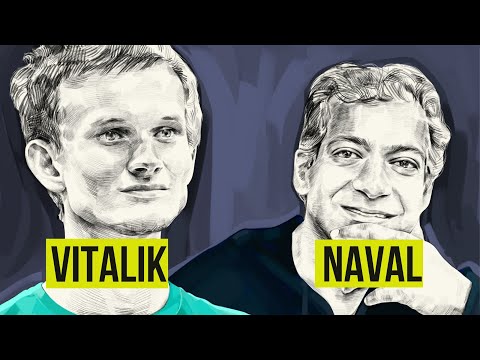
Naval Ravikant’s documentary presence is less a sermon than a caution: begin with a disclaimer, distrust the clean ending, and notice how wishful thinking spends your hours. Across the Ferriss caveat, the Knowledge Project’s cosmic dead end, and the motivational clip’s warning about time, he keeps returning agency to the reader. The written record—AngelList’s startup ecology, the Thiel Fellowship’s early bet, Scott Adams’s self-improvement commentary—frames that agency as institutional and personal: build leverage, choose your games, and inspect the spectacle.
Frequently Asked Questions
How does PastNoise differ from Podwise?
Podwise summarizes single podcast episodes into text notes. PastNoise searches across thousands of talks to assemble a continuous multi-speaker video screening with bilingual subtitles and peer-reviewed citations.